
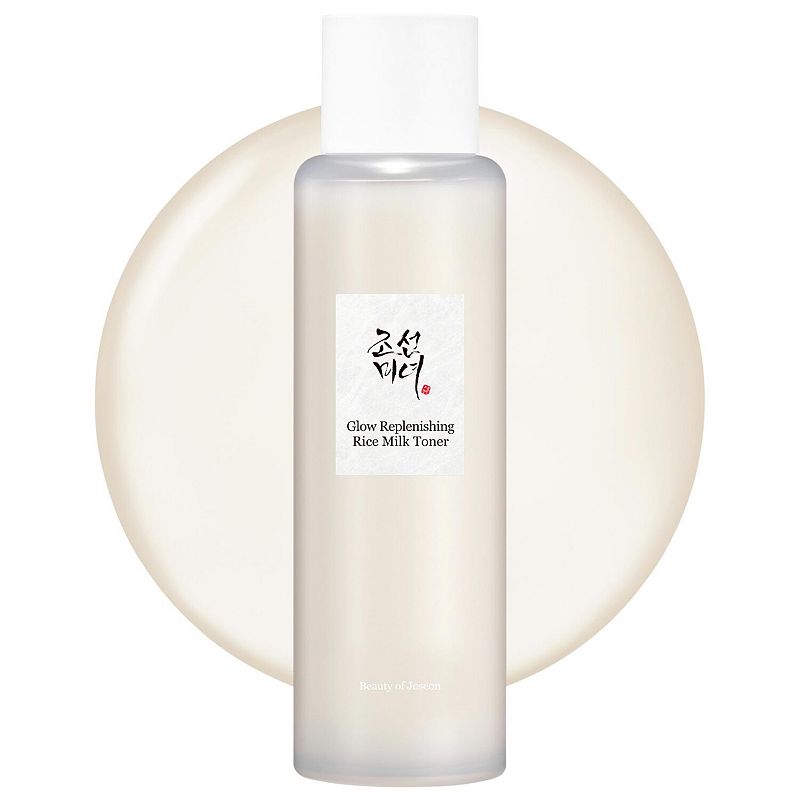
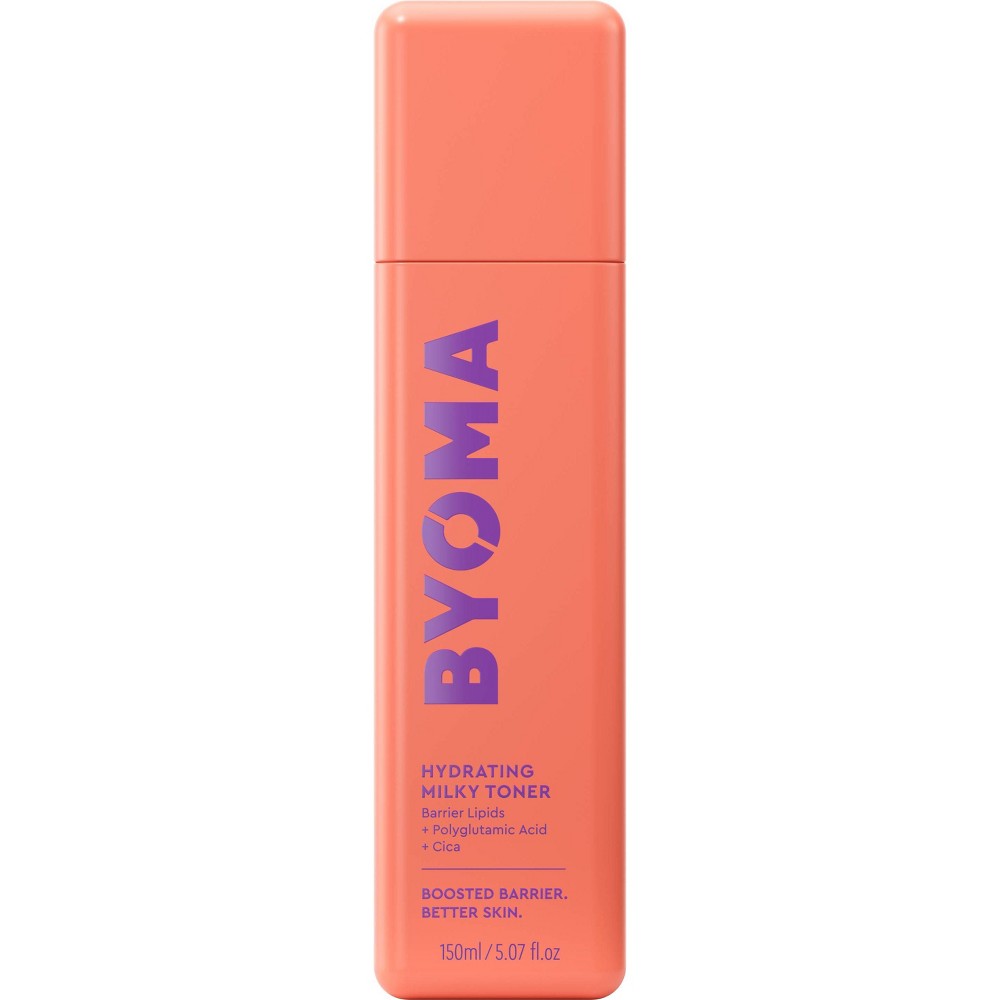
Beauty of Joseon Glow Replenishing Rice Milk Lightweight Hydration Toner, Size: 5.07 FL Oz, None
Analysis updated August 2026 · How Scout scores
At a glance
Summary
This toner contains a variety of beneficial ingredients such as glycerin, rice extract, and Centella Asiatica, which provide hydrating and soothing properties. However, the presence of aluminum chlorohydrate, a controversial ingredient due to potential health concerns, affects the overall safety profile. The product is moderately processed with a mix of natural extracts and synthetic compounds, which influences its rating.
Key ingredients 30
Centella Asiatica ExtractVery Good
Centella Asiatica Extract is renowned for its healing and soothing properties. It is used to calm irritated skin and promote skin repair. It is safe and highly beneficial for sensitive skin.
Risks
There are minimal risks associated with Centella Asiatica.
Benefits
It helps to soothe, heal, and strengthen the skin barrier.
PanthenolVery Good
Panthenol, also known as provitamin B5, is a moisturizing and soothing agent. It helps to improve skin hydration and reduce irritation. It is safe and beneficial for most skin types.
Risks
There are minimal risks associated with panthenol.
Benefits
It enhances skin hydration and soothes irritated skin.
CeramideVery Good
Ceramides are essential lipids that help to restore and maintain the skin barrier. They are used to improve skin hydration and protect against environmental damage. They are safe and highly beneficial for all skin types.
Risks
There are minimal risks associated with ceramides.
Benefits
They help to strengthen the skin barrier and improve hydration.
TocopherolVery Good
Tocopherol, or Vitamin E, is a powerful antioxidant that protects the skin from free radical damage. It is used to nourish and moisturize the skin. It is safe and beneficial for most skin types.
Risks
There are minimal risks associated with tocopherol.
Benefits
It provides antioxidant protection and helps to moisturize the skin.
GlycerinGood
Glycerin is a well-known humectant that attracts moisture to the skin. It is widely used in skincare for its hydrating properties. It is safe and beneficial for most skin types.
Risks
There are minimal risks associated with glycerin.
Benefits
Glycerin helps to maintain skin hydration and improve skin barrier function.
Oryza Sativa ExtractGood
Oryza Sativa Extract, or rice extract, is rich in antioxidants and nutrients. It is used for its soothing and moisturizing properties. It is safe and beneficial for most skin types.
Risks
There are minimal risks associated with rice extract.
Benefits
It helps to soothe and hydrate the skin, providing antioxidant benefits.
Coptis Japonica Root ExtractGood
Coptis Japonica Root Extract is known for its anti-inflammatory and antimicrobial properties. It is used to soothe and protect the skin. It is considered safe for use in cosmetics.
Risks
There are minimal risks associated with this extract.
Benefits
It helps to calm irritated skin and provides antimicrobial benefits.
Ulmus Davidiana Root ExtractGood
Ulmus Davidiana Root Extract is used for its soothing and hydrating properties. It is beneficial for calming sensitive skin. It is generally considered safe in cosmetics.
Risks
There are minimal risks associated with this extract.
Benefits
It provides soothing and moisturizing benefits to the skin.
Amaranthus Caudatus Seed ExtractGood
Amaranthus Caudatus Seed Extract is rich in vitamins and minerals. It is used for its antioxidant and moisturizing properties. It is safe and beneficial for most skin types.
Risks
There are minimal risks associated with this extract.
Benefits
It provides antioxidant protection and hydration to the skin.
Ficus Carica Fruit ExtractGood
Ficus Carica Fruit Extract is known for its antioxidant and moisturizing properties. It helps to protect and hydrate the skin. It is considered safe for use in cosmetics.
Risks
There are minimal risks associated with this extract.
Benefits
It provides antioxidant benefits and helps to maintain skin hydration.
Theobroma Cacao Seed ExtractGood
Theobroma Cacao Seed Extract is rich in antioxidants and provides moisturizing benefits. It is used to protect and nourish the skin. It is considered safe for use in cosmetics.
Risks
There are minimal risks associated with this extract.
Benefits
It provides antioxidant protection and helps to hydrate the skin.
Hydrogenated LecithinGood
Hydrogenated Lecithin is an emollient and emulsifier that helps to hydrate and soften the skin. It is used to improve the texture and stability of cosmetic products. It is generally considered safe in cosmetics.
Risks
There are minimal risks associated with hydrogenated lecithin.
Benefits
It helps to maintain skin hydration and improve product texture.
Sodium HyaluronateGood
Sodium Hyaluronate is a powerful humectant that attracts and retains moisture in the skin. It is widely used for its hydrating and plumping effects. It is safe and highly beneficial for all skin types.
Risks
There are minimal risks associated with sodium hyaluronate.
Benefits
It provides intense hydration and helps to improve skin elasticity.
Sodium CitrateGood
Beneficial ingredient — whole-food or functional value in this product class.
Risks
There are minimal risks associated with sodium citrate.
Benefits
It helps to maintain product stability and pH balance.
KaolinGood
Beneficial ingredient — whole-food or functional value in this product class.
Risks
There are minimal risks associated with kaolin.
Benefits
It helps to absorb excess oil and improve skin texture.
Dipotassium GlycyrrhizateGood
Dipotassium Glycyrrhizate is derived from licorice root and is known for its soothing and anti-inflammatory properties. It helps to calm irritated skin and reduce redness. It is considered safe and beneficial for sensitive skin.
Risks
There are minimal risks associated with dipotassium glycyrrhizate.
Benefits
It soothes and calms the skin, reducing inflammation and redness.
Rice Amino AcidsGood
Rice Amino Acids are used for their moisturizing and conditioning properties. They help to improve skin texture and hydration. They are considered safe and beneficial for most skin types.
Risks
There are minimal risks associated with rice amino acids.
Benefits
They help to hydrate and condition the skin, improving texture.
WaterNeutral
Water is a common solvent used in cosmetic formulations. It helps dissolve other ingredients and provides a base for the product. It is generally considered safe and non-irritating.
Risks
There are no significant risks associated with water in cosmetics.
Benefits
Water helps hydrate the skin by providing moisture.
MethylpropanediolNeutral
Methylpropanediol is a solvent and skin-conditioning agent. It enhances the penetration of other ingredients into the skin. It is generally considered safe for use in cosmetics.
Risks
There is a low risk of skin irritation in sensitive individuals.
Benefits
It can improve the texture and feel of the product on the skin.
PropanediolNeutral
Propanediol is used as a solvent and humectant in cosmetics. It helps to improve the absorption of ingredients and provides moisture to the skin. It is considered safe for use in personal care products.
Risks
May cause mild irritation in very sensitive skin types.
Benefits
It provides hydration and enhances the skin's moisture retention.
1, 2-HexanediolNeutral
1, 2-Hexanediol is a preservative and humectant. It helps to maintain the stability of the product and provides moisture to the skin. It is generally regarded as safe in cosmetics.
Risks
Potential for mild irritation in sensitive skin.
Benefits
It helps to keep the skin hydrated and the product stable.
Glycereth-26Neutral
Glycereth-26 is an ethoxylated glycerin used as a humectant and emollient. It helps to improve the texture and moisture content of the skin. It is considered safe for use in cosmetics.
Risks
Ethoxylation process may introduce trace amounts of 1,4-dioxane.
Benefits
It provides moisture and a smooth feel to the skin.
Polymethyl MethacrylateNeutral
Polymethyl Methacrylate is a film-forming agent that provides a smooth finish. It is used to improve the texture and appearance of the skin. It is generally considered safe in cosmetics.
Risks
May cause mild irritation in sensitive individuals.
Benefits
It enhances the product's texture and provides a matte finish.
Hydroxyethyl UreaNeutral
Hydroxyethyl Urea is a humectant that helps to maintain skin moisture. It is used to improve the texture and hydration of the skin. It is generally considered safe in cosmetics.
Risks
There are minimal risks associated with hydroxyethyl urea.
Benefits
It provides moisture and improves skin texture.
Butylene GlycolNeutral
Butylene Glycol is a solvent and humectant used to improve the texture and moisture content of the skin. It is generally considered safe for use in cosmetics. It helps to enhance the absorption of other ingredients.
Risks
May cause mild irritation in sensitive skin.
Benefits
It provides moisture and improves product texture.
Microcrystalline CelluloseNeutral
Microcrystalline Cellulose is used as a bulking agent and stabilizer in cosmetics. It helps to improve the texture and consistency of the product. It is considered safe for use in cosmetics.
Risks
There are minimal risks associated with microcrystalline cellulose.
Benefits
It improves product texture and stability.
EthylhexylglycerinNeutral
Ethylhexylglycerin is used as a preservative and skin-conditioning agent. It helps to enhance the efficacy of other preservatives and improve skin feel. It is generally considered safe in cosmetics.
Risks
There are minimal risks associated with ethylhexylglycerin.
Benefits
It helps to preserve the product and improve skin texture.
Citric AcidNeutral
Citric Acid is used as a pH adjuster and exfoliant in cosmetics. It helps to maintain the stability of the product and improve skin texture. It is generally considered safe in cosmetics.
Risks
May cause mild irritation in sensitive skin.
Benefits
It helps to exfoliate and improve skin texture.
DextrinNeutral
Dextrin is used as a binding agent and stabilizer in cosmetics. It helps to improve the texture and consistency of the product. It is considered safe for use in cosmetics.
Risks
There are minimal risks associated with dextrin.
Benefits
It improves product texture and stability.
Aluminum ChlorohydrateBad
Aluminum Chlorohydrate is used as an antiperspirant and astringent. It can cause skin irritation and has been linked to potential health concerns. It is considered a controversial ingredient in cosmetics.
Risks
May cause skin irritation and has potential health concerns.
Benefits
It helps to reduce perspiration and tighten the skin.
Get the full breakdown in the Scout appTake Scout shopping
Scan any product to see lab results, healthy alternatives, and your personalized analysis.
Download on theApp Store GET IT ONGoogle PlayAmazon pricing & content
CERTAIN CONTENT THAT APPEARS ON THIS SITE COMES FROM AMAZON. THIS CONTENT IS PROVIDED “AS IS” AND IS SUBJECT TO CHANGE OR REMOVAL AT ANY TIME.