
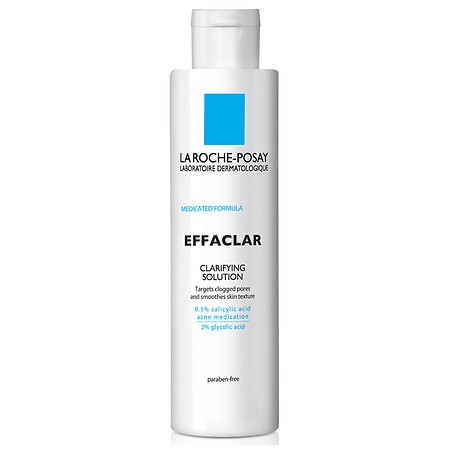
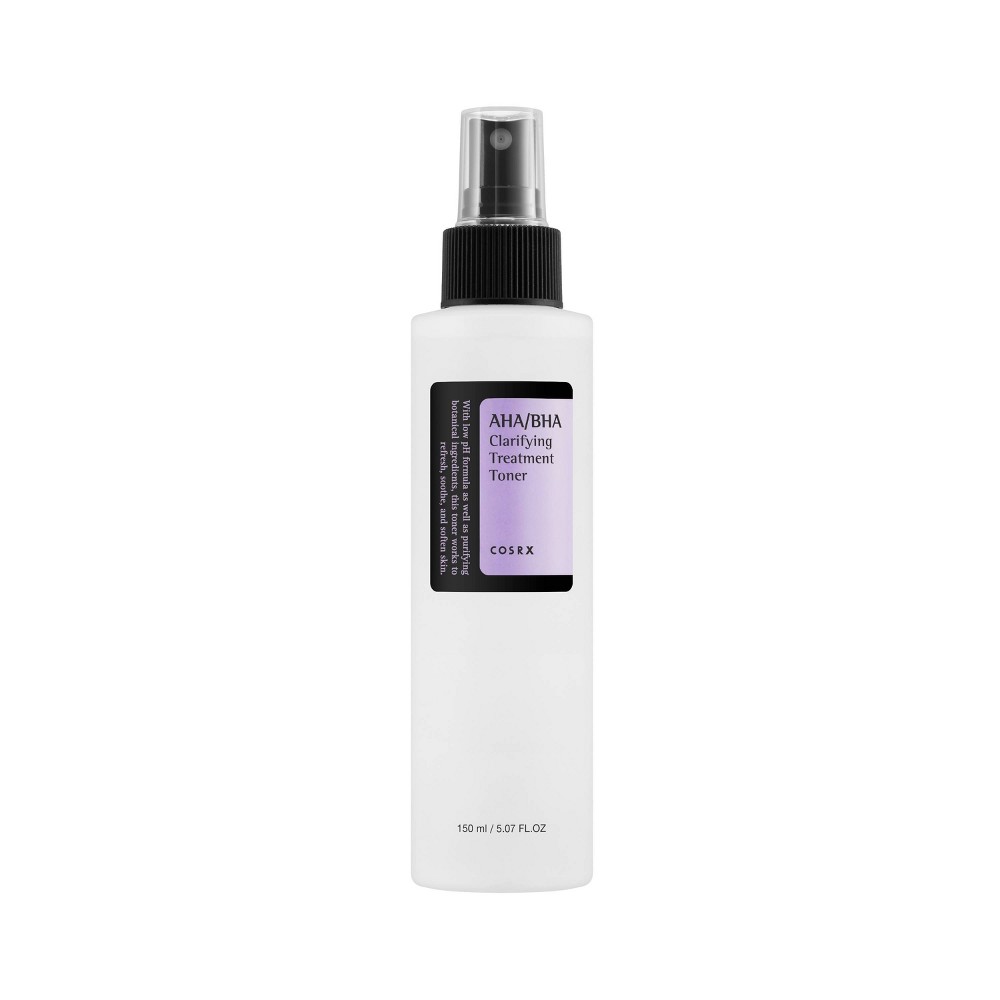
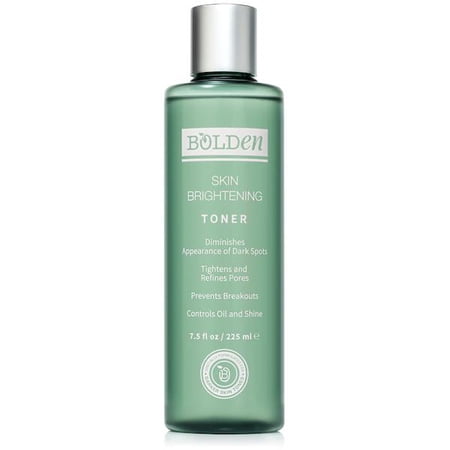
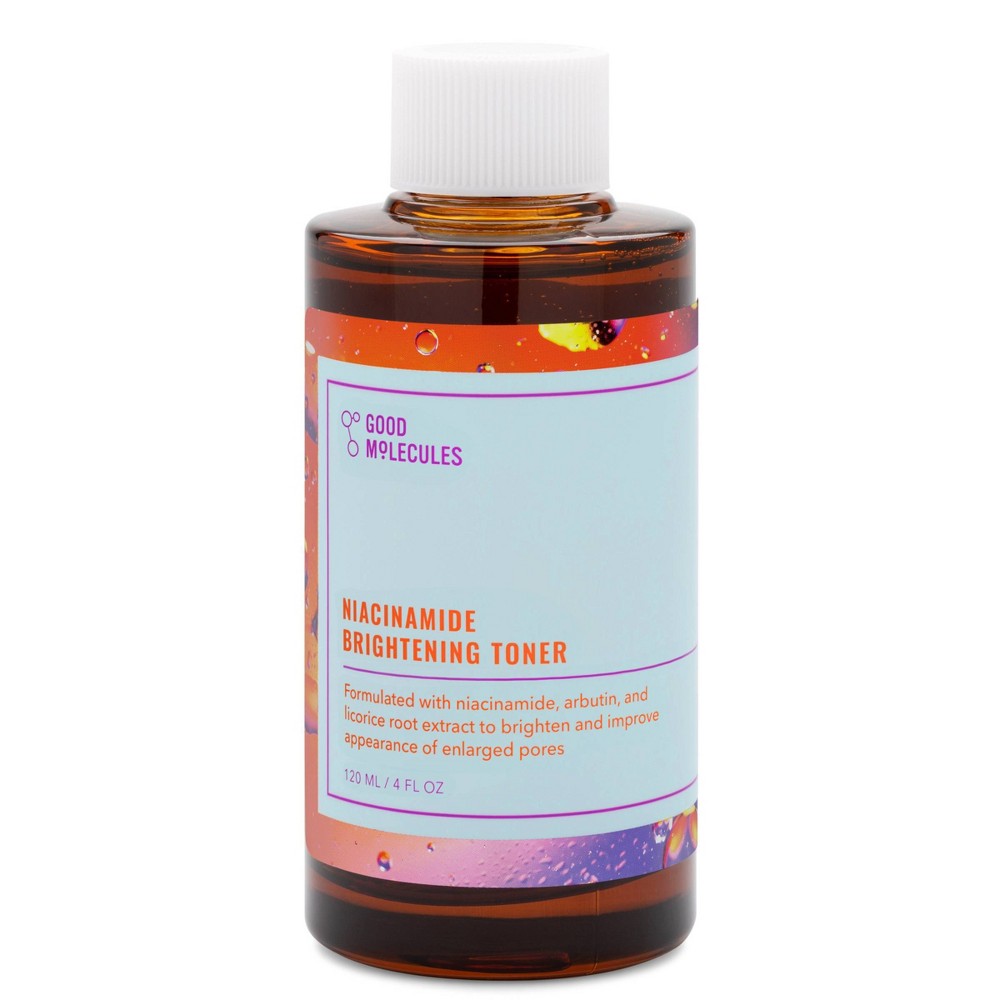


La Roche Posay Laboratoire Dermatologique Effaclar Clarifying / SOLUTION
La Roche-PosayAnalysis updated August 2026 · How Scout scores
At a glance
Summary
This toner contains beneficial ingredients like witch hazel, salicylic acid, glycerin, and zinc PCA, which provide anti-inflammatory, exfoliating, and moisturizing benefits. However, the presence of denatured alcohol as a top ingredient is concerning due to its potential to dry and irritate the skin, which significantly impacts the overall safety and quality of the product. The balance of beneficial and potentially harmful ingredients results in a mixed assessment of the product's safety.
Key ingredients 9
Salicylic AcidVery Good
Salicylic Acid is a beta hydroxy acid known for its ability to exfoliate the skin and clear pores. It is effective in treating acne and reducing inflammation. It helps in shedding dead skin cells and preventing clogged pores.
Risks
May cause irritation or dryness if used excessively.
Benefits
Effective in treating acne and improving skin texture.
Hamamelis Virginiana (Witch Hazel) Leaf WaterGood
Witch Hazel is known for its anti-inflammatory and astringent properties. It can help soothe skin irritation and reduce redness. It is often used in toners for its skin-calming effects.
Risks
Some individuals may experience irritation or allergic reactions.
Benefits
It provides anti-inflammatory benefits and can help tighten pores.
GlycerinGood
Glycerin is a humectant that attracts moisture to the skin. It helps maintain hydration and improves skin barrier function. It is well-tolerated and suitable for all skin types.
Risks
Generally considered safe with minimal risk of irritation.
Benefits
Provides excellent moisturizing properties and enhances skin hydration.
Zinc PCAGood
Zinc PCA is known for its sebum-regulating and antimicrobial properties. It helps reduce excess oil and prevent acne formation. It also provides moisturizing benefits without clogging pores.
Risks
Generally safe with low risk of irritation.
Benefits
Regulates sebum production and provides antimicrobial benefits.
AquaNeutral
Aqua, or water, is a common solvent used in cosmetic formulations. It helps dissolve other ingredients and provides a base for the product. It is generally considered safe and non-irritating.
Risks
There are no significant risks associated with water in cosmetic products.
Benefits
Water acts as a solvent and helps in the application of the product.
Capryloyl GlycineNeutral
Capryloyl Glycine is an amino acid derivative used for its skin-conditioning properties. It helps maintain the skin's natural balance and has antimicrobial effects. It is often used in formulations targeting oily or acne-prone skin.
Benefits
Helps in balancing skin oiliness and provides antimicrobial benefits.
Disodium EDTABad
Processed additive flagged under Scout's ingredient doctrine.
Risks
May cause irritation in sensitive individuals if used in high concentrations.
Benefits
Enhances product stability and prevents metal ion contamination.
PhenoxyethanolBad
Processed additive flagged under Scout's ingredient doctrine.
Risks
Can cause irritation or allergic reactions in sensitive individuals.
Benefits
Provides effective preservation and extends product shelf life.
Alcohol Denat.Very Bad
Denatured alcohol is used as a solvent and astringent in cosmetics. It can be drying and irritating to the skin, especially in high concentrations. It may disrupt the skin's natural barrier.
Risks
Can cause dryness and irritation, particularly for sensitive skin types.
Benefits
Helps in quick drying of the product and provides a refreshing feel.
Get the full breakdown in the Scout appTake Scout shopping
Scan any product to see lab results, healthy alternatives, and your personalized analysis.
Download on theApp Store GET IT ONGoogle PlayAmazon pricing & content
Amazon price as of . Product prices and availability are accurate as of the date/time indicated and are subject to change. Any price and availability information displayed on Amazon.com at the time of purchase will apply to the purchase of this product.
CERTAIN CONTENT THAT APPEARS ON THIS SITE COMES FROM AMAZON. THIS CONTENT IS PROVIDED “AS IS” AND IS SUBJECT TO CHANGE OR REMOVAL AT ANY TIME.