


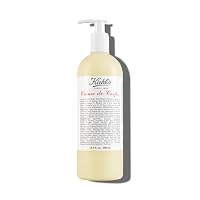
Kiehl's Since 1851 Calendula Herbal-Extract Alcohol-Free Toner, 8.4-oz.
Analysis updated August 2026 · How Scout scores
At a glance
Summary
This toner contains several beneficial ingredients like calendula extract, allantoin, and glycerin, which are known for their soothing and hydrating properties. However, the presence of phenoxyethanol and chlorphenesin, both of which can cause irritation and have potential health concerns, lowers the overall safety profile. The product is moderately processed, which also affects its rating.
Key ingredients 16
Calendula Officinalis Flower ExtractVery Good
Calendula Officinalis Flower Extract is known for its healing and anti-inflammatory properties. It is widely used in skincare for its ability to soothe and repair the skin.
Risks
Rarely causes allergic reactions, generally safe for most skin types.
Benefits
Promotes skin healing and reduces inflammation, making it ideal for sensitive skin.
Calendula Officinalis FlowerVery Good
Calendula Officinalis Flower is used for its soothing and healing properties. It is effective in reducing skin irritation and promoting skin health.
Risks
Minimal risk of allergic reactions, generally safe.
Benefits
Soothes irritated skin and supports skin repair and regeneration.
AllantoinVery Good
Allantoin is known for its skin-soothing and healing properties. It helps to protect the skin and promote cell regeneration.
Risks
Generally safe with minimal risk of irritation.
Benefits
Promotes skin healing and soothes irritation, making it beneficial for sensitive skin.
Arctium Lappa Root ExtractGood
Arctium Lappa Root Extract, also known as burdock root, is known for its soothing and anti-inflammatory properties. It is beneficial for calming irritated skin.
Risks
Generally considered safe with minimal risk of irritation.
Benefits
Provides soothing and anti-inflammatory effects, beneficial for sensitive skin.
Hedera Helix ExtractGood
Hedera Helix Extract, or ivy extract, is known for its anti-inflammatory and soothing properties. It is beneficial for calming irritated skin.
Risks
May cause irritation in very sensitive skin, though generally safe.
Benefits
Provides anti-inflammatory benefits and soothes the skin.
GlycerinGood
Glycerin is a powerful humectant that attracts moisture to the skin. It is widely used in skincare for its hydrating properties.
Risks
Generally safe with minimal risk of irritation.
Benefits
Deeply hydrates the skin by attracting moisture, improving skin barrier function.
Althaea Officinalis Root ExtractGood
Althaea Officinalis Root Extract, also known as marshmallow root, is known for its soothing and anti-inflammatory properties. It is beneficial for calming and hydrating the skin.
Risks
Generally considered safe with minimal risk of irritation.
Benefits
Soothes and hydrates the skin, reducing inflammation and irritation.
Aqua / WaterNeutral
Water is a universal solvent used in cosmetics to dissolve other ingredients. It is essential for the formulation but does not provide direct benefits or risks.
Benefits
Acts as a base for the product, allowing other ingredients to be effectively delivered.
PropanediolNeutral
Propanediol is used as a solvent and skin-conditioning agent. It is derived from corn sugar and is considered safe for use in cosmetics.
Risks
Low risk of skin irritation or allergic reactions.
Benefits
Improves skin texture and provides a smooth application.
Hydrolyzed Corn StarchNeutral
Hydrolyzed Corn Starch is used as a thickening agent and to improve skin feel. It is generally considered safe for use in cosmetics.
Risks
Low risk of irritation or allergic reactions.
Benefits
Improves the texture and feel of the product on the skin.
Sodium HydroxideNeutral
Sodium Hydroxide is used to adjust the pH of cosmetic formulations. It is effective in small amounts but can be irritating in higher concentrations.
Risks
Can cause irritation if used in high concentrations.
Benefits
Helps to balance the pH of the product, ensuring stability and effectiveness.
Citric AcidNeutral
Citric Acid is used to adjust the pH and as a mild exfoliant. It is generally safe but can cause irritation in sensitive skin.
Risks
May cause irritation or sensitivity in some individuals.
Benefits
Balances pH and provides mild exfoliation, improving skin texture.
Propylene GlycolBad
Processed additive flagged under Scout's ingredient doctrine.
Risks
May cause skin irritation or allergic reactions in some people.
Benefits
Helps to maintain skin hydration by attracting water.
PhenoxyethanolBad
Phenoxyethanol is a preservative used to prevent microbial growth. It is effective but can cause irritation and allergic reactions in some individuals.
Risks
Potential skin irritant and allergen, especially in high concentrations.
Benefits
Prevents the growth of bacteria and mold, extending the product's shelf life.
ChlorphenesinBad
Chlorphenesin is a preservative with antimicrobial properties. It can cause skin irritation and is restricted in some countries due to potential health concerns.
Risks
May cause skin irritation and is restricted in some regions due to safety concerns.
Benefits
Helps to preserve the product by preventing microbial contamination.
Disodium EDTABad
Processed additive flagged under Scout's ingredient doctrine.
Risks
May cause irritation in sensitive individuals, though generally safe.
Benefits
Enhances the stability and efficacy of the product by binding metal ions.
Get the full breakdown in the Scout appTake Scout shopping
Scan any product to see lab results, healthy alternatives, and your personalized analysis.
Download on theApp Store GET IT ONGoogle PlayAmazon pricing & content
Amazon price as of . Product prices and availability are accurate as of the date/time indicated and are subject to change. Any price and availability information displayed on Amazon.com at the time of purchase will apply to the purchase of this product.
CERTAIN CONTENT THAT APPEARS ON THIS SITE COMES FROM AMAZON. THIS CONTENT IS PROVIDED “AS IS” AND IS SUBJECT TO CHANGE OR REMOVAL AT ANY TIME.