
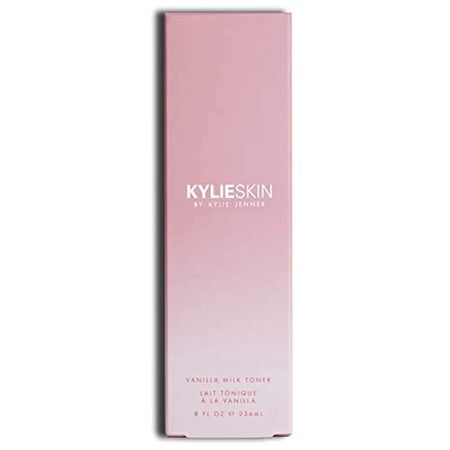

Kylie Skin Vanilla Milk Toner 8oz
Analysis updated September 2026 · How Scout scores
At a glance
Summary
This toner contains beneficial ingredients like squalane, jojoba oil, and avocado oil, which are excellent for moisturizing and nourishing the skin. However, the presence of phenoxyethanol, chlorphenesin, and fragrance (parfum) introduces potential for skin irritation and allergic reactions, which affects the overall safety profile. The product has a mix of natural and synthetic components, with some concerning preservatives and additives.
Key ingredients 33
SqualaneVery Good
Squalane is a highly effective emollient and natural antioxidant. It mimics the skin's natural oils, making it an excellent moisturizer. It is non-comedogenic and suitable for all skin types.
Risks
There are minimal risks associated with squalane, though it may cause irritation in very sensitive skin.
Benefits
Squalane provides deep hydration and helps to improve skin elasticity.
Persea Gratissima OilVery Good
Avocado oil is rich in fatty acids and vitamins, making it an excellent moisturizer. It helps to nourish and hydrate the skin, improving its texture and elasticity. It is suitable for most skin types.
Risks
There are minimal risks associated with avocado oil, though it may cause irritation in very sensitive skin.
Benefits
It provides deep nourishment and hydration to the skin.
Prunus Amygdalus Dulcis OilVery Good
Sweet almond oil is rich in vitamins and fatty acids, making it an excellent moisturizer. It helps to soothe and nourish the skin, improving its texture and elasticity. It is suitable for most skin types.
Risks
There are minimal risks associated with sweet almond oil, though it may cause irritation in very sensitive skin.
Benefits
It provides nourishment and hydration to the skin.
Simmondsia Chinensis Seed OilVery Good
Jojoba oil is a natural emollient that closely resembles the skin's natural sebum. It helps to moisturize and balance the skin, making it suitable for all skin types. It is non-comedogenic and well-tolerated.
Risks
There are minimal risks associated with jojoba oil, though it may cause irritation in very sensitive skin.
Benefits
It provides hydration and helps to balance the skin's natural oils.
TocopherolVery Good
Tocopherol, also known as Vitamin E, is a powerful antioxidant that helps to protect the skin from environmental damage. It also has moisturizing and anti-inflammatory properties. It is suitable for most skin types.
Risks
There are minimal risks associated with tocopherol, though it may cause irritation in very sensitive skin.
Benefits
It provides antioxidant protection and helps to moisturize the skin.
GlycerinGood
Glycerin is a humectant that attracts moisture to the skin, helping to keep it hydrated. It is widely used in skincare for its moisturizing properties. It is generally well-tolerated by most skin types.
Risks
There are minimal risks associated with glycerin, though it may cause irritation in very sensitive skin.
Benefits
Glycerin helps to maintain skin hydration and improve skin barrier function.
Prunus Armeniaca Kernel OilGood
Apricot kernel oil is rich in fatty acids and vitamins, making it an excellent moisturizer. It is easily absorbed by the skin and helps to improve skin softness and elasticity. It is suitable for all skin types.
Risks
There are minimal risks associated with apricot kernel oil, though it may cause irritation in very sensitive skin.
Benefits
It provides nourishment and hydration to the skin.
Pyrus Malus Fruit ExtractGood
Apple fruit extract is rich in antioxidants and vitamins, which help to protect the skin from environmental damage. It also has hydrating and soothing properties. It is suitable for most skin types.
Risks
There are minimal risks associated with apple fruit extract, though it may cause irritation in very sensitive skin.
Benefits
It provides antioxidant protection and hydration to the skin.
Musa Acuminata Leaf ExtractGood
Banana leaf extract is rich in antioxidants and has soothing properties. It helps to protect the skin from environmental damage and reduce irritation. It is suitable for most skin types.
Risks
There are minimal risks associated with banana leaf extract, though it may cause irritation in very sensitive skin.
Benefits
It provides antioxidant protection and soothes the skin.
Chondrus Crispus ExtractGood
Chondrus Crispus, also known as Irish moss, is rich in polysaccharides and has moisturizing properties. It helps to hydrate and soothe the skin, making it suitable for most skin types. It also provides a natural thickening effect.
Risks
There are minimal risks associated with Chondrus Crispus extract, though it may cause irritation in very sensitive skin.
Benefits
It provides hydration and soothing benefits to the skin.
Sodium HyaluronateGood
Sodium Hyaluronate is a form of hyaluronic acid that provides intense hydration to the skin. It helps to retain moisture and improve skin elasticity, making it suitable for all skin types. It is well-tolerated and non-irritating.
Risks
There are minimal risks associated with sodium hyaluronate, though it may cause irritation in very sensitive skin.
Benefits
It provides deep hydration and helps to improve skin elasticity.
Hedychium Coronarium Root ExtractGood
Hedychium Coronarium Root Extract is rich in antioxidants and has soothing properties. It helps to protect the skin from environmental damage and reduce irritation. It is suitable for most skin types.
Risks
There are minimal risks associated with Hedychium Coronarium Root Extract, though it may cause irritation in very sensitive skin.
Benefits
It provides antioxidant protection and soothes the skin.
Actinidia Chinensis Seed OilGood
Kiwi seed oil is rich in omega-3 fatty acids and antioxidants, making it an excellent moisturizer. It helps to nourish and hydrate the skin, improving its texture and elasticity. It is suitable for most skin types.
Risks
There are minimal risks associated with kiwi seed oil, though it may cause irritation in very sensitive skin.
Benefits
It provides nourishment and hydration to the skin.
WaterNeutral
Water is a common solvent used in cosmetics to dissolve other ingredients. It helps in the application and absorption of the product. It does not provide direct benefits or risks.
Risks
There are no significant risks associated with water in cosmetics.
Benefits
Water helps in the application and absorption of the product.
Dicaprylyl EtherNeutral
Dicaprylyl Ether is used as an emollient and skin-conditioning agent. It provides a silky feel to the skin without leaving a greasy residue. It is generally considered safe for use in cosmetics.
Risks
There are minimal risks associated with dicaprylyl ether, though it may cause irritation in very sensitive skin.
Benefits
Dicaprylyl Ether helps to improve the texture and feel of the product on the skin.
Neopentyl Glycol DiethylhexanoateNeutral
This ingredient is used as an emollient and skin-conditioning agent. It helps to improve the spreadability of the product. It is generally considered safe for use in cosmetics.
Risks
There are minimal risks associated with this ingredient, though it may cause irritation in very sensitive skin.
Benefits
It enhances the texture and application of the product.
Sorbitan StearateNeutral
Sorbitan Stearate is an emulsifier that helps to stabilize and thicken cosmetic formulations. It is generally considered safe for use in cosmetics. It does not provide direct benefits or risks.
Risks
There are minimal risks associated with sorbitan stearate, though it may cause irritation in very sensitive skin.
Benefits
It helps to stabilize and improve the texture of the product.
PPG-26-Buteth-26Neutral
PPG-26-Buteth-26 is used as a surfactant and emulsifier in cosmetics. It helps to improve the texture and spreadability of the product. It is generally considered safe for use in cosmetics.
Risks
There are minimal risks associated with PPG-26-Buteth-26, though it may cause irritation in very sensitive skin.
Benefits
It enhances the texture and application of the product.
Polyglyceryl-3 LaurateNeutral
Polyglyceryl-3 Laurate is an emulsifier that helps to blend oil and water-based ingredients. It is derived from natural sources and is considered safe for use in cosmetics. It does not provide direct benefits or risks.
Risks
There are minimal risks associated with polyglyceryl-3 laurate, though it may cause irritation in very sensitive skin.
Benefits
It helps to stabilize and improve the texture of the product.
Glyceryl StearateNeutral
Glyceryl Stearate is an emulsifier and emollient that helps to stabilize formulations and provide a smooth texture. It is derived from natural sources and is generally considered safe for use in cosmetics. It does not provide direct benefits or risks.
Risks
There are minimal risks associated with glyceryl stearate, though it may cause irritation in very sensitive skin.
Benefits
It helps to stabilize and improve the texture of the product.
PEG-100 StearateNeutral
PEG-100 Stearate is an emulsifier that helps to blend oil and water-based ingredients. It is generally considered safe for use in cosmetics, though it may contain impurities from the manufacturing process. It does not provide direct benefits or risks.
Risks
There is a potential risk of contamination with impurities such as 1,4-dioxane.
Benefits
It helps to stabilize and improve the texture of the product.
PEG-40 Hydrogenated Castor OilNeutral
PEG-40 Hydrogenated Castor Oil is used as an emulsifier and surfactant in cosmetics. It helps to improve the texture and spreadability of the product. It is generally considered safe for use in cosmetics.
Risks
There is a potential risk of contamination with impurities such as 1,4-dioxane.
Benefits
It enhances the texture and application of the product.
Sucrose CocoateNeutral
Sucrose Cocoate is an emulsifier and surfactant derived from sugar and coconut oil. It helps to improve the texture and spreadability of the product. It is generally considered safe for use in cosmetics.
Risks
There are minimal risks associated with sucrose cocoate, though it may cause irritation in very sensitive skin.
Benefits
It enhances the texture and application of the product.
1,2-HexanediolNeutral
1,2-Hexanediol is used as a solvent and preservative in cosmetics. It helps to improve the texture and stability of the product. It is generally considered safe for use in cosmetics.
Risks
There are minimal risks associated with 1,2-hexanediol, though it may cause irritation in very sensitive skin.
Benefits
It helps to improve the texture and stability of the product.
HydroxyacetophenoneNeutral
Hydroxyacetophenone is an antioxidant and preservative used in cosmetics. It helps to protect the product from degradation and improve its shelf life. It is generally considered safe for use in cosmetics.
Risks
There are minimal risks associated with hydroxyacetophenone, though it may cause irritation in very sensitive skin.
Benefits
It provides antioxidant protection and helps to preserve the product.
Benzyl SalicylateNeutral
Benzyl Salicylate is a fragrance ingredient and UV light absorber used in cosmetics. It can cause skin irritation and allergic reactions in sensitive individuals. It is generally considered safe in low concentrations.
Risks
Benzyl Salicylate can cause skin irritation and allergic reactions, especially in sensitive individuals.
Benefits
It provides a pleasant scent and UV protection to the product.
PhenoxyethanolBad
Phenoxyethanol is a preservative used to prevent microbial growth in cosmetics. It is effective but can cause skin irritation and allergic reactions in some individuals. It is considered a moderate hazard ingredient.
Risks
Phenoxyethanol can cause skin irritation and allergic reactions, especially in sensitive individuals.
Benefits
It helps to preserve the product and extend its shelf life.
ChlorphenesinBad
Chlorphenesin is a preservative used to prevent microbial growth in cosmetics. It can cause skin irritation and allergic reactions in some individuals. It is considered a moderate hazard ingredient.
Risks
Chlorphenesin can cause skin irritation and allergic reactions, especially in sensitive individuals.
Benefits
It helps to preserve the product and extend its shelf life.
Acrylates/C10-30 Alkyl Acrylate CrosspolymerBad
Processed additive flagged under Scout's ingredient doctrine.
Risks
There are minimal risks associated with this ingredient, though it may cause irritation in very sensitive skin.
Benefits
It helps to stabilize and improve the texture of the product.
ParfumBad
Fragrance is used to add scent to cosmetics but can cause skin irritation and allergic reactions. It is considered a common allergen and can be problematic for sensitive skin. It is often associated with negative health impacts.
Risks
Fragrance can cause skin irritation and allergic reactions, especially in sensitive individuals.
Benefits
It provides a pleasant scent to the product.
Disodium EDTABad
Processed additive flagged under Scout's ingredient doctrine.
Risks
There are minimal risks associated with disodium EDTA, though it may cause irritation in very sensitive skin.
Benefits
It helps to stabilize and preserve the product.
Aminomethyl PropanolBad
Processed additive flagged under Scout's ingredient doctrine.
Risks
There are minimal risks associated with aminomethyl propanol, though it may cause irritation in very sensitive skin.
Benefits
It helps to maintain the stability and efficacy of the product.
LinaloolBad
Processed additive flagged under Scout's ingredient doctrine.
Risks
Linalool can cause skin irritation and allergic reactions, especially in sensitive individuals.
Benefits
It provides a pleasant scent to the product.
Get the full breakdown in the Scout appTake Scout shopping
Scan any product to see lab results, healthy alternatives, and your personalized analysis.
Download on theApp Store GET IT ONGoogle Play