
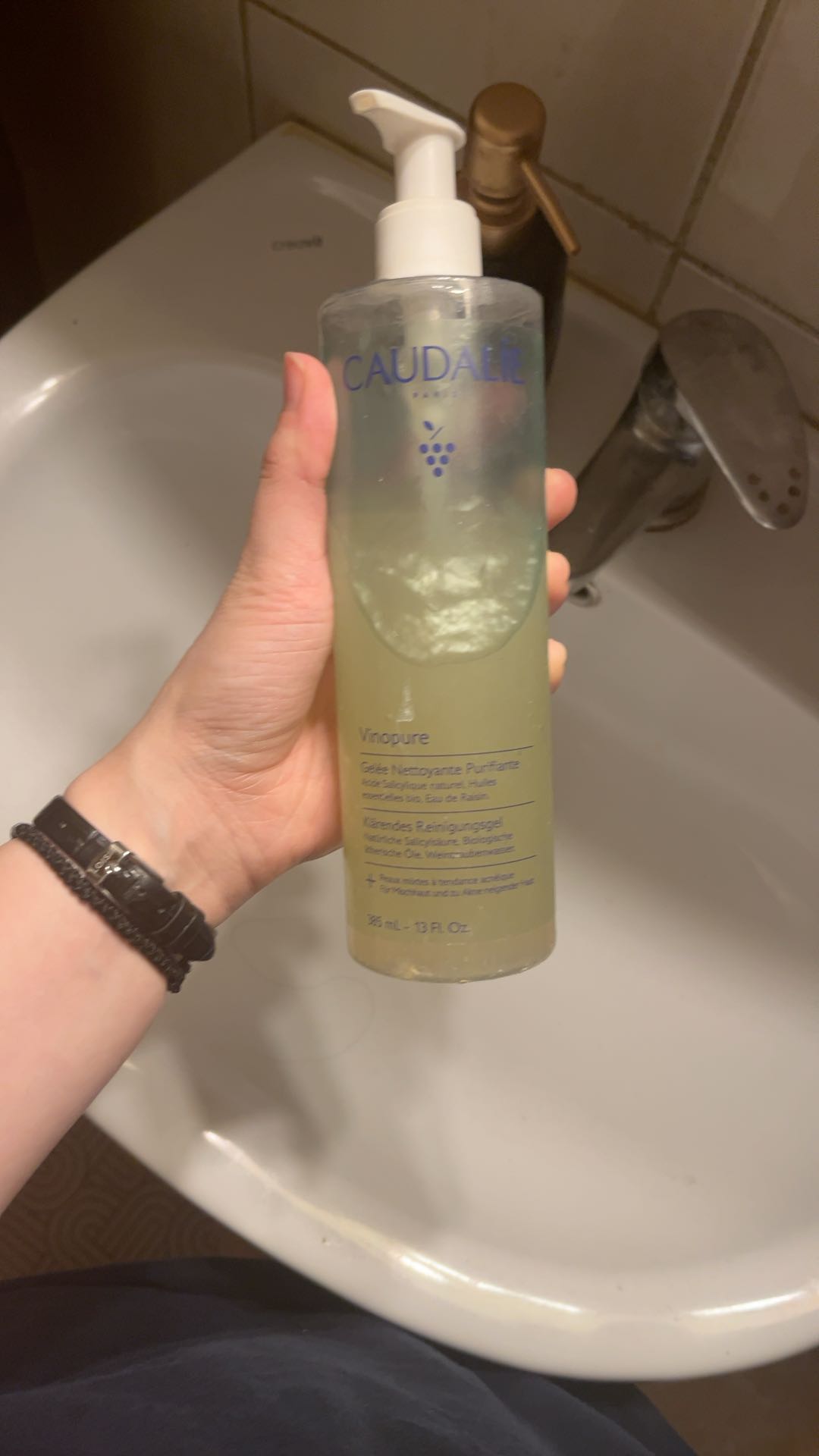
X3 Caudalie Vinopure Clear Skin Purifying Toner 50ml
Analysis updated August 2026 · How Scout scores
At a glance
Summary
This toner contains beneficial ingredients like rose water, grape water, and salicylic acid, which provide soothing, hydrating, and exfoliating benefits. However, the presence of denatured alcohol as a top ingredient is concerning due to its potential to dry and irritate the skin, which significantly impacts the overall safety and quality of the product. The formulation includes a mix of natural oils and extracts, but the high alcohol content reduces its score due to potential skin barrier disruption.
Key ingredients 23
Rosa Damascena Flower WaterVery Good
Rose water is known for its soothing and anti-inflammatory properties. It can help reduce redness and irritation while providing a pleasant fragrance. It is often used for its hydrating and toning effects.
Risks
Rarely, it may cause allergic reactions in sensitive individuals.
Benefits
Helps to soothe and hydrate the skin, reducing redness and irritation.
Vitis Vinifera (Grape) Fruit WaterVery Good
Grape water is rich in antioxidants and has hydrating properties. It helps to soothe and refresh the skin. It is beneficial for its anti-inflammatory and moisturizing effects.
Risks
Generally considered safe with minimal risk of irritation.
Benefits
Provides antioxidant protection and hydration to the skin.
Salicylic AcidVery Good
Salicylic acid is a beta hydroxy acid known for its exfoliating and acne-fighting properties. It helps to unclog pores and reduce inflammation. It is effective in treating acne and improving skin texture.
Risks
Can cause dryness or irritation if used excessively.
Benefits
Helps to clear acne and improve skin texture by exfoliating dead skin cells.
Vitis Vinifera (Grape) JuiceVery Good
Grape juice is rich in antioxidants and vitamins that protect the skin from environmental damage. It provides hydration and nourishment to the skin. It is beneficial for its anti-aging and moisturizing effects.
Risks
Minimal risk of irritation or allergic reaction.
Benefits
Offers antioxidant protection and hydration to the skin.
Caprylyl/Capryl GlucosideGood
This is a mild surfactant derived from coconut oil and glucose. It is used to help mix oil and water-based ingredients. It is gentle on the skin and suitable for sensitive skin types.
Risks
Very low risk of irritation or allergic reaction.
Benefits
Helps to cleanse the skin gently without stripping natural oils.
ArginineGood
Arginine is an amino acid that helps to maintain skin hydration and elasticity. It supports collagen production and skin repair. It is beneficial for its moisturizing and anti-aging properties.
Risks
Generally safe with low risk of irritation.
Benefits
Enhances skin hydration and supports collagen production.
Pelargonium Graveolens Flower OilGood
Geranium oil is known for its balancing and soothing properties. It can help to regulate oil production and improve skin elasticity. It is often used for its pleasant fragrance and skin benefits.
Risks
May cause allergic reactions in sensitive individuals.
Benefits
Balances oil production and improves skin elasticity.
Cymbopogon Citratus Leaf OilGood
Lemongrass oil is known for its antimicrobial and astringent properties. It can help to tone and purify the skin. It is often used for its refreshing scent and skin benefits.
Risks
May cause irritation or allergic reactions in sensitive skin.
Benefits
Purifies and tones the skin while providing a refreshing scent.
Rosmarinus Officinalis (Rosemary) Leaf OilGood
Rosemary oil has antioxidant and antimicrobial properties. It helps to protect the skin from environmental damage and improve circulation. It is beneficial for its invigorating and protective effects.
Risks
Potential for irritation or allergic reaction in sensitive individuals.
Benefits
Protects the skin from damage and improves circulation.
Lavandula Hybrida OilGood
Lavandin oil is known for its calming and soothing properties. It can help to relax and soothe the skin. It is often used for its pleasant fragrance and skin benefits.
Risks
May cause irritation or allergic reactions in sensitive skin.
Benefits
Calms and soothes the skin while providing a pleasant fragrance.
Melissa Officinalis Leaf OilGood
Lemon balm oil has calming and anti-inflammatory properties. It can help to soothe irritated skin and reduce redness. It is beneficial for its soothing and calming effects.
Risks
May cause irritation or allergic reactions in sensitive skin.
Benefits
Soothes and calms irritated skin, reducing redness.
Aqua/Water/EauNeutral
Water is a universal solvent used as a base in many cosmetic products. It helps dissolve other ingredients and provides hydration. It is generally considered safe and non-irritating.
Risks
There are no significant risks associated with water in cosmetics.
Benefits
Water helps to hydrate the skin and acts as a carrier for other beneficial ingredients.
Citric AcidNeutral
Citric acid is used to adjust the pH of cosmetic products. It can also provide mild exfoliation. It is generally safe when used in appropriate concentrations.
Risks
Can cause irritation if used in high concentrations.
Benefits
Helps to balance the pH of the product and provides mild exfoliation.
Mentha Piperita (Peppermint) OilNeutral
Peppermint oil provides a cooling sensation and has antimicrobial properties. It can help to refresh and invigorate the skin. However, it may cause irritation in sensitive skin types.
Risks
Potential for irritation or allergic reaction, especially in sensitive skin.
Benefits
Provides a refreshing and cooling sensation with antimicrobial benefits.
CitronellolNeutral
Citronellol is a fragrance component with a floral scent. It is used to enhance the aroma of cosmetic products. It is generally safe but can be an allergen for some individuals.
Risks
Potential allergen that may cause skin irritation.
Benefits
Enhances the fragrance of the product with a floral scent.
Sodium PhytateNeutral
Sodium phytate is used as a chelating agent in cosmetics. It helps to stabilize the product by binding metal ions. It is considered safe and non-irritating.
Benefits
Stabilizes the product by binding metal ions.
GeraniolNeutral
Geraniol is a fragrance component with a rose-like scent. It is used to enhance the aroma of cosmetic products. It is generally safe but can be an allergen for some individuals.
Risks
Potential allergen that may cause skin irritation.
Benefits
Enhances the fragrance of the product with a rose-like scent.
CitralBad
Processed additive flagged under Scout's ingredient doctrine.
Risks
Potential allergen that may cause skin irritation.
Benefits
Enhances the fragrance of the product with a fresh, lemony scent.
Sodium BenzoateBad
Synthetic preservative that can form benzene in the presence of vitamin C.
Risks
May cause irritation in very sensitive skin.
Benefits
Prevents microbial growth and extends product shelf life.
Potassium SorbateBad
Synthetic preservative — flagged in daily-use products.
Risks
May cause irritation in very sensitive skin.
Benefits
Prevents microbial growth and extends product shelf life.
LinaloolBad
Processed additive flagged under Scout's ingredient doctrine.
Risks
Potential allergen that may cause skin irritation.
Benefits
Enhances the fragrance of the product with a floral scent.
LimoneneBad
Processed additive flagged under Scout's ingredient doctrine.
Risks
Potential allergen that may cause skin irritation.
Benefits
Enhances the fragrance of the product with a citrus scent.
Alcohol DenatVery Bad
Denatured alcohol is used as a solvent and astringent in cosmetics. It can be drying and irritating to the skin, especially in high concentrations. It may disrupt the skin's natural barrier.
Risks
Can cause dryness and irritation, especially for sensitive skin types.
Benefits
Provides a quick-drying finish and can help other ingredients penetrate the skin more effectively.
Get the full breakdown in the Scout appTake Scout shopping
Scan any product to see lab results, healthy alternatives, and your personalized analysis.
Download on theApp Store GET IT ONGoogle Play