
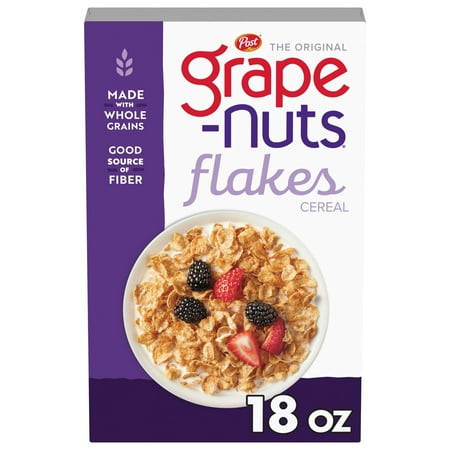


FLAKES CEREAL
Summary
This cereal contains beneficial ingredients like whole grain wheat and malted barley flour, which provide fiber and essential nutrients. However, the presence of refined sugar and canola oil, which is a heavily processed seed oil, detracts from its healthiness. The product is moderately processed, which limits its score despite the inclusion of fortified vitamins and minerals.
At a glance
Key ingredients 16
Whole grain wheatGood
Whole grain wheat is a source of dietary fiber and essential nutrients. It is minimally processed, retaining its bran and germ, which provide vitamins and minerals. It supports digestive health and may help in maintaining a healthy weight.
Risks
May cause allergic reactions in individuals with wheat allergies or celiac disease.
Benefits
Rich in fiber, which aids in digestion and helps maintain a healthy weight. Provides essential nutrients like B vitamins and minerals.
Wheat flourNeutral
Wheat flour is a common ingredient in cereals, providing carbohydrates and some protein. It is more processed than whole grain wheat, lacking some fiber and nutrients. It serves as a base ingredient but offers limited nutritional benefits compared to whole grains.
Risks
May cause allergic reactions in individuals with wheat allergies or celiac disease.
Benefits
Provides carbohydrates for energy and some protein content.
SugarBad
Refined sugar is added for sweetness but offers no nutritional benefits. It is highly processed and can contribute to health issues like obesity and diabetes when consumed in excess. It is a source of empty calories with no essential nutrients.
Risks
Excessive consumption can lead to obesity, diabetes, and dental problems.
Malted barley flourGood
Malted barley flour is used for flavor and as a natural sweetener. It contains some vitamins and minerals and can enhance the nutritional profile of cereals. It is less processed than refined sugars and provides a unique taste.
Risks
May cause allergic reactions in individuals with gluten sensitivities.
Benefits
Adds flavor and some nutritional value, including vitamins and minerals.
Canola oilVery Bad
Canola oil is a seed oil high in omega-6 fatty acids, which can promote inflammation. It is heavily processed and often refined using chemical solvents. Its high omega-6 content may disrupt the omega-3 to omega-6 balance in the diet.
Risks
High omega-6 content may promote inflammation when consumed in excess.
SaltNeutral
Salt is used to enhance flavor but should be consumed in moderation. It is a natural mineral but excessive intake can lead to health issues like hypertension. It is essential for bodily functions but should be balanced with other nutrients.
Risks
Excessive consumption can lead to hypertension and cardiovascular issues.
Benefits
Essential for maintaining fluid balance and nerve function.
Reduced ironGood
Reduced iron is added to fortify cereals with essential minerals. It helps prevent iron deficiency anemia and supports oxygen transport in the body. It is a common fortification in processed foods to enhance nutritional value.
Benefits
Helps prevent iron deficiency anemia and supports overall health.
NiacinamideGood
Niacinamide is a form of vitamin B3 used to fortify foods. It supports energy metabolism and skin health. It is commonly added to cereals to enhance their nutritional profile.
Benefits
Supports energy metabolism and contributes to skin health.
Zinc oxideGood
Zinc oxide is used to fortify foods with zinc, an essential mineral. It supports immune function and wound healing. It is a common fortification in cereals to improve nutritional content.
Benefits
Supports immune function and aids in wound healing.
Vitamin B6Good
Vitamin B6 is added to support brain health and energy metabolism. It is essential for neurotransmitter synthesis and cognitive function. Fortification helps meet daily nutritional requirements.
Benefits
Supports brain health and energy metabolism.
Vitamin A palmitateGood
Vitamin A palmitate is a form of vitamin A used to fortify foods. It supports vision and immune function. It is commonly added to cereals to enhance their nutritional value.
Benefits
Supports vision and immune function.
RiboflavinGood
Riboflavin, or vitamin B2, is added to support energy production and cellular function. It is essential for converting food into energy. Fortification helps ensure adequate intake of this important vitamin.
Benefits
Supports energy production and cellular function.
Thiamin mononitrateGood
Thiamin mononitrate is a form of vitamin B1 used to fortify foods. It supports energy metabolism and nerve function. It is commonly added to cereals to enhance their nutritional profile.
Benefits
Supports energy metabolism and nerve function.
Folic acidGood
Folic acid is a form of vitamin B9 used to fortify foods. It is crucial for DNA synthesis and cell division. Fortification helps prevent neural tube defects during pregnancy.
Benefits
Crucial for DNA synthesis and helps prevent neural tube defects.
Vitamin B12Good
Vitamin B12 is added to support nerve function and red blood cell formation. It is essential for DNA synthesis and neurological health. Fortification helps meet daily nutritional needs, especially in plant-based diets.
Benefits
Supports nerve function and red blood cell formation.
Vitamin DGood
Vitamin D is added to support bone health and immune function. It aids in calcium absorption and is crucial for maintaining healthy bones. Fortification helps prevent vitamin D deficiency, especially in regions with limited sunlight.
Benefits
Supports bone health and aids in calcium absorption.
Processing
Processed Foods
Get the full breakdown in the Scout app
Scan any product to see lab results, healthy alternatives, and your personalized analysis.
Download on theApp Store