

At a glance
Summary
This product is processed and contains vegetable oil, which is less desirable due to its potential inflammatory properties. While sweet potatoes and sea salt are beneficial ingredients, the presence of modified starch and corn dextrin indicates a moderate level of processing. The overall ingredient quality is mixed, with some redeeming qualities but notable issues related to processing and ingredient choices.
Key ingredients 6
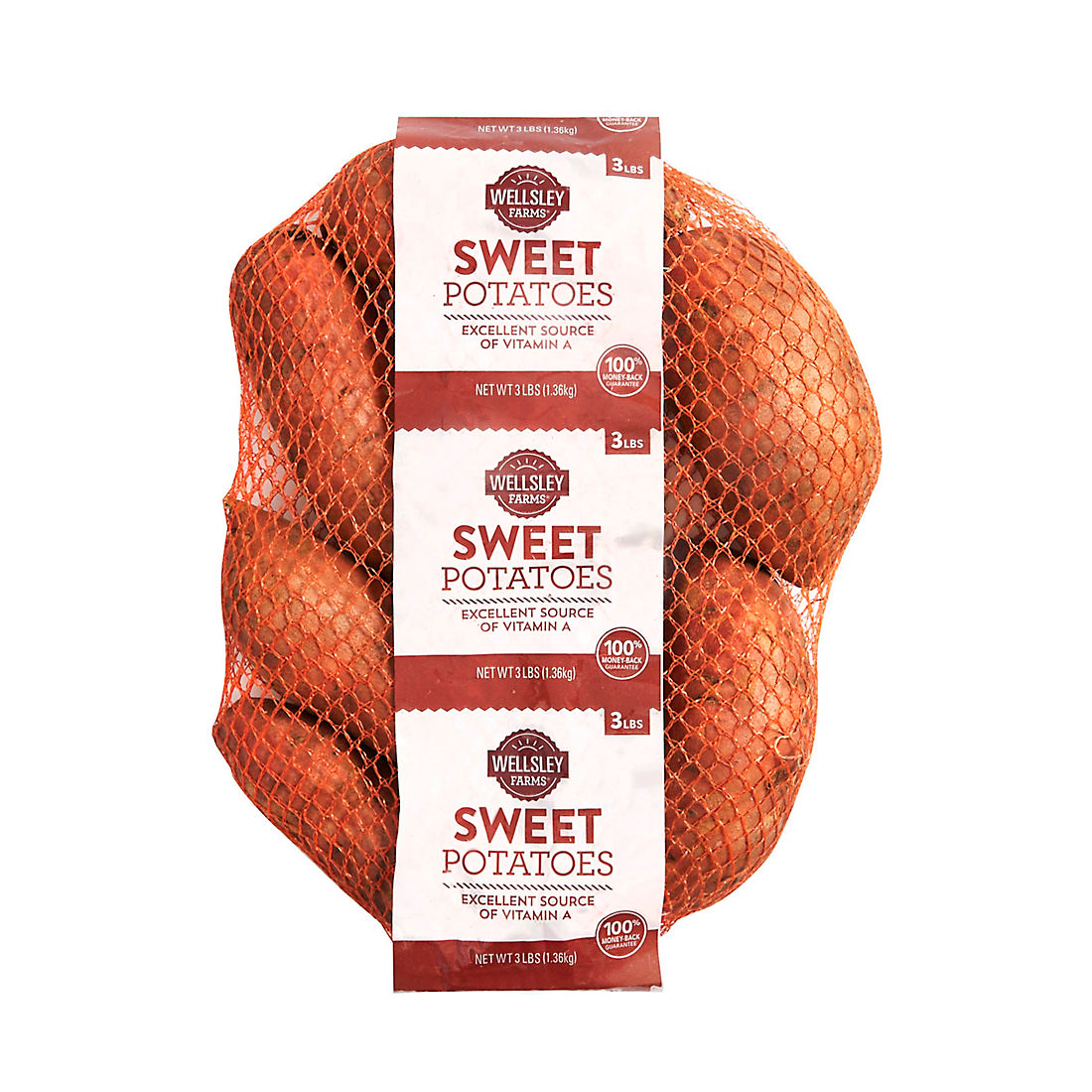
Sweet PotatoesGood
Sweet potatoes are a nutrient-dense whole food rich in vitamins A and C. They provide dietary fiber and antioxidants that support overall health. As a minimally processed ingredient, they retain most of their natural nutrients.
Benefits
Rich in vitamins, fiber, and antioxidants, which support immune function and digestive health.
Sea SaltGood
Sea salt is a minimally processed source of sodium and trace minerals. It enhances flavor without the additives found in refined table salt. Its natural mineral content can support electrolyte balance.
Risks
Excessive consumption of sodium can lead to high blood pressure and cardiovascular issues.
Benefits
Provides essential minerals and enhances flavor naturally.
Modified Potato StarchNeutral
Modified potato starch is used as a thickening agent and stabilizer. It is processed to improve texture and shelf life of products. While it is not harmful, it does not provide significant nutritional benefits.
See more about Modified Potato Starch →Rice FlourNeutral
Rice flour is a gluten-free alternative used to improve texture in processed foods. It is minimally processed and provides some carbohydrates. However, it lacks significant nutritional benefits compared to whole grains.
Benefits
Provides a gluten-free carbohydrate source, suitable for those with gluten sensitivities.
Corn DextrinNeutral
Corn dextrin is a processed carbohydrate used as a thickener and stabilizer. It is derived from corn and is often used to improve texture and shelf life. While it is not harmful, it does not offer significant nutritional benefits.
Vegetable OilBad
Vegetable oil is often high in omega-6 fatty acids, which can promote inflammation if consumed in excess. It is typically extracted using high heat and chemicals, which may degrade its nutritional quality. Compared to healthier oils like olive or avocado oil, it offers fewer health benefits.
Risks
High omega-6 content may promote inflammation when consumed in excess.
Processing
Processed Foods
Get the full breakdown in the Scout appTake Scout shopping
Scan any product to see lab results, healthy alternatives, and your personalized analysis.
Download on theApp Store GET IT ONGoogle Play