
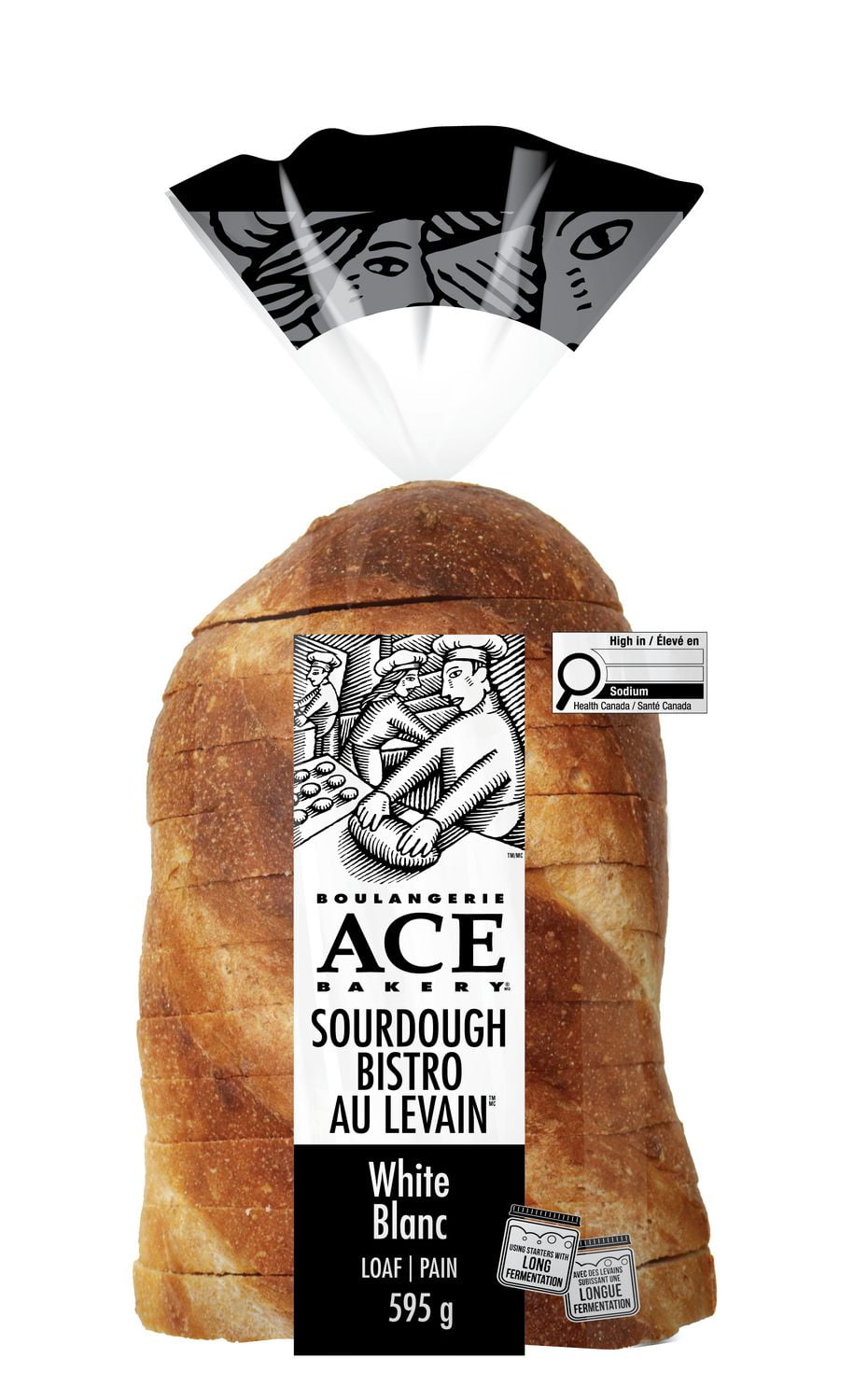


Ace Bakery Classic White Bistro Loaf
Summary
The Ace Bakery Classic White Bistro Loaf is a processed bread with a relatively clean ingredient list, featuring enriched wheat flour and durum wheat semolina. It avoids harmful additives like high-fructose corn syrup and artificial preservatives, which is positive. However, the presence of enriched flour and the processing level limit its score, as it lacks the whole grain benefits and minimal processing of higher-scoring breads.
At a glance
Key ingredients 12
Enriched Wheat FlourNeutral
Enriched wheat flour is a refined flour that has been fortified with vitamins and minerals. It lacks the fiber and nutrients found in whole grain flour. It is commonly used in bread products for its texture and baking properties.
Risks
May contribute to blood sugar spikes due to its high glycemic index.
Benefits
Provides essential vitamins and minerals due to fortification.
WaterNeutral
Water is a basic ingredient used to hydrate and bind the dough. It is essential for the baking process and does not contribute any calories or nutrients. It acts as a solvent for other ingredients.
See more about Water →Durum Wheat SemolinaNeutral
Durum wheat semolina is a coarse flour made from durum wheat, often used in pasta and bread. It provides a distinct texture and flavor to baked goods. It is higher in protein compared to regular wheat flour.
Risks
Contains gluten, which may be a concern for individuals with celiac disease or gluten sensitivity.
Benefits
Higher protein content can contribute to a more satisfying and nutritious product.
SaltNeutral
Salt is used to enhance flavor and control yeast activity in bread. It is a common ingredient in baking and cooking. Excessive consumption can lead to health issues such as hypertension.
Risks
High sodium intake can contribute to increased blood pressure and cardiovascular issues.
Benefits
Enhances flavor and helps with dough structure and fermentation.
Cultured Wheat FlourNeutral
Cultured wheat flour is treated with bacterial cultures to enhance flavor and shelf life. It acts as a natural preservative in baked goods. It is considered a clean label ingredient compared to chemical preservatives.
Benefits
Acts as a natural preservative, extending the shelf life of the product.
YeastNeutral
Yeast is a microorganism used to ferment sugars, producing carbon dioxide that leavens bread. It is essential for the texture and rise of baked goods. It also contributes to the flavor profile of the bread.
Benefits
Contributes to the leavening and flavor of the bread.
Wheat GlutenNeutral
Wheat gluten is added to improve the elasticity and chewiness of bread. It is a concentrated form of gluten protein. It is beneficial for achieving the desired texture in bread products.
Risks
May cause adverse reactions in individuals with gluten intolerance or celiac disease.
Benefits
Improves the texture and structure of the bread.
Ground WheatNeutral
Ground wheat is a form of wheat that has been milled to a fine consistency. It provides fiber and nutrients found in whole grains. It is used to enhance the nutritional profile of bread.
Risks
Contains gluten, which may be a concern for individuals with celiac disease or gluten sensitivity.
Benefits
Provides fiber and nutrients, contributing to a more balanced diet.
Malted Barley FlourNeutral
Malted barley flour is used to enhance flavor and improve the fermentation process in bread. It contains enzymes that help break down starches into sugars. It is often used in small quantities in baking.
Benefits
Enhances flavor and aids in the fermentation process.
Lactic AcidNeutral
Lactic acid is used as a preservative and to add a slight tangy flavor to bread. It is naturally occurring and considered safe for consumption. It helps to extend the shelf life of baked goods.
Benefits
Acts as a natural preservative and enhances flavor.
EnzymesNeutral
Enzymes are used to improve dough handling and bread quality. They are naturally occurring proteins that catalyze biochemical reactions. They help in breaking down starches and proteins during baking.
Benefits
Improve dough handling and enhance bread quality.
Ascorbic AcidNeutral
Ascorbic acid, also known as vitamin C, is used as a dough conditioner in bread making. It strengthens the dough and improves volume. It is a naturally occurring compound with antioxidant properties.
Benefits
Improves dough strength and volume, and provides antioxidant benefits.
Processing
Processed Foods
Get the full breakdown in the Scout app
Scan any product to see lab results, healthy alternatives, and your personalized analysis.
Download on theApp Store