


At a glance
Summary
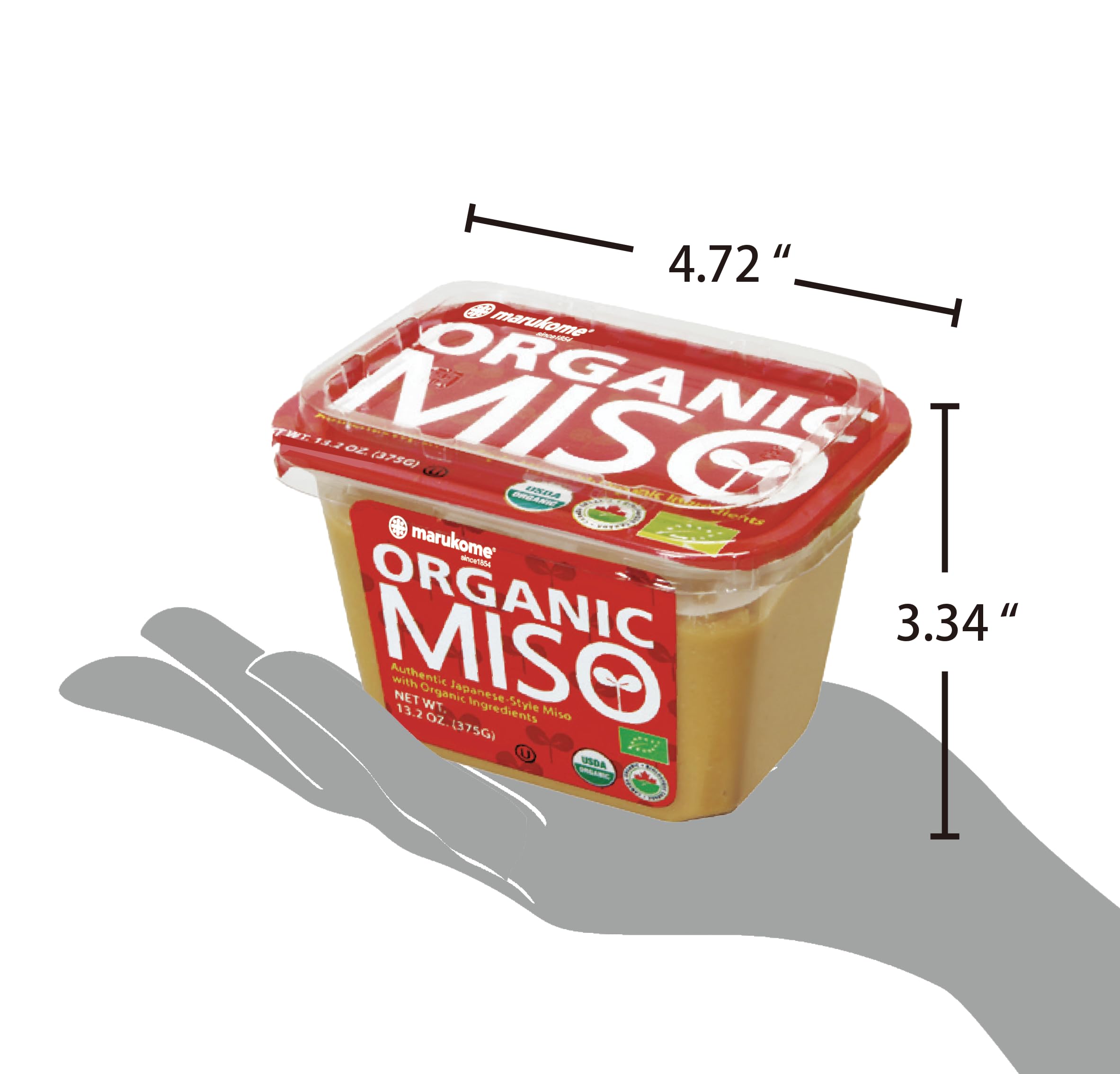
This premium white miso paste is made from non-genetically modified soybeans, rice, and sea salt, which are all high-quality ingredients. The product is processed but maintains a clean label with no artificial additives or preservatives, contributing to its favorable score. The inclusion of ethanol is minimal and typical for fermentation, and the overall ingredient quality supports a positive rating within its category.
Key ingredients 5
SoybeansGood
Soybeans are a rich source of plant-based protein and essential nutrients. They contain isoflavones, which have been linked to various health benefits. The non-genetically modified status indicates a preference for traditional agricultural practices.
Risks
Some individuals may have allergies to soy products.
Benefits
Rich in protein and isoflavones, which may support heart health and reduce the risk of certain cancers.
Sea SaltGood
Sea salt is a natural source of sodium and trace minerals. It is less processed than table salt, retaining more of its natural mineral content. It enhances flavor and can support electrolyte balance.
Risks
Excessive sodium intake can lead to hypertension and cardiovascular issues.
Benefits
Contains trace minerals and supports electrolyte balance, enhancing flavor naturally.
Filtered WaterNeutral
Filtered water is used as a solvent and carrier in many food products. It is free from impurities and contaminants, ensuring product safety. It does not contribute any nutritional value or health risks.
See more about Filtered Water →RiceNeutral
Rice is a staple carbohydrate source in many diets. It provides energy but lacks significant amounts of other nutrients. The fermentation process in miso may enhance its digestibility and nutrient profile.
Benefits
Provides carbohydrates for energy and may contribute to the fermentation process in miso.
EthanolNeutral
Ethanol is used as a preservative and solvent in food products. It is generally recognized as safe in small quantities used in food processing. It evaporates during cooking, leaving no significant residue.
See more about Ethanol →Processing
Processed Foods
Get the full breakdown in the Scout appTake Scout shopping
Scan any product to see lab results, healthy alternatives, and your personalized analysis.
Download on theApp Store GET IT ONGoogle Play