



At a glance
Summary
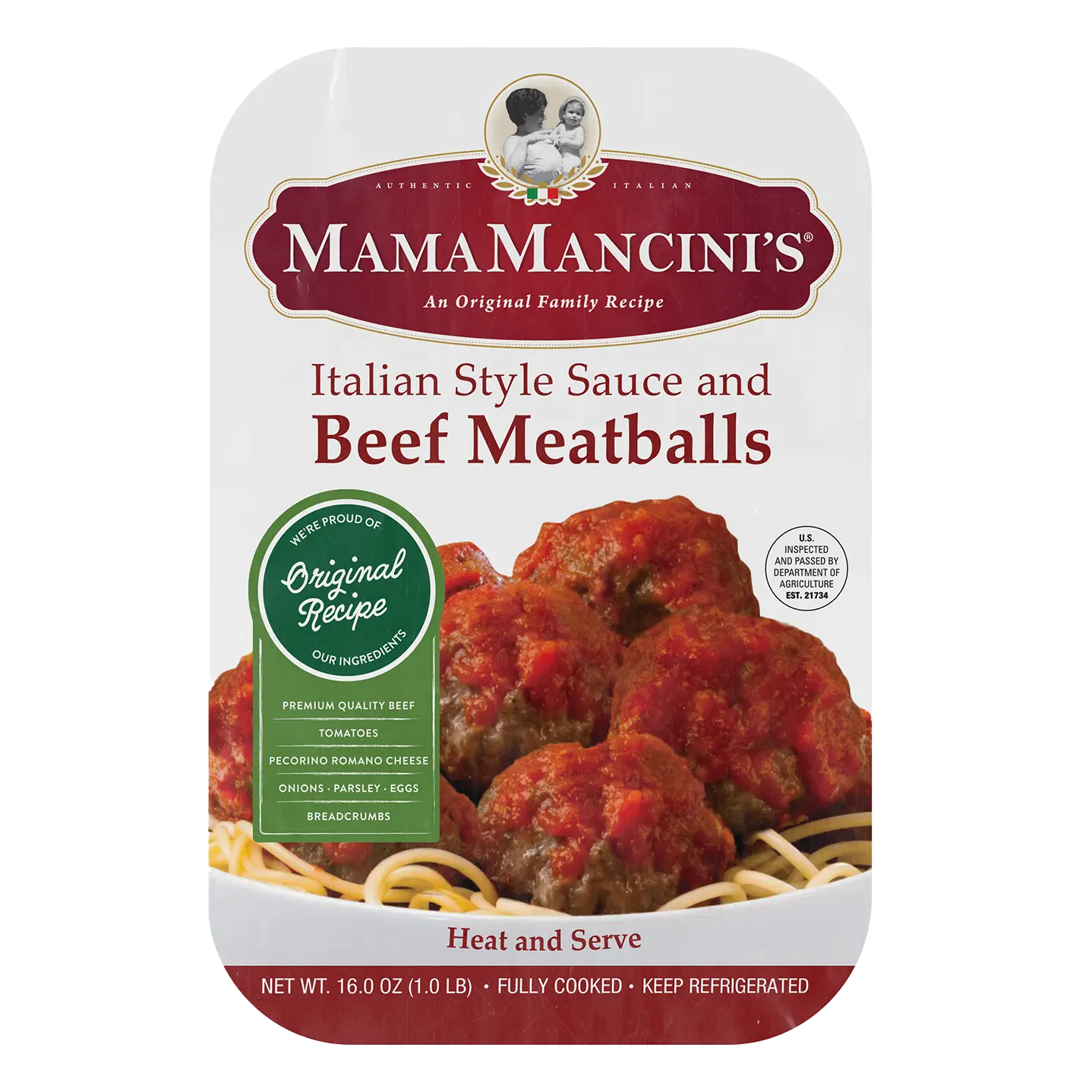
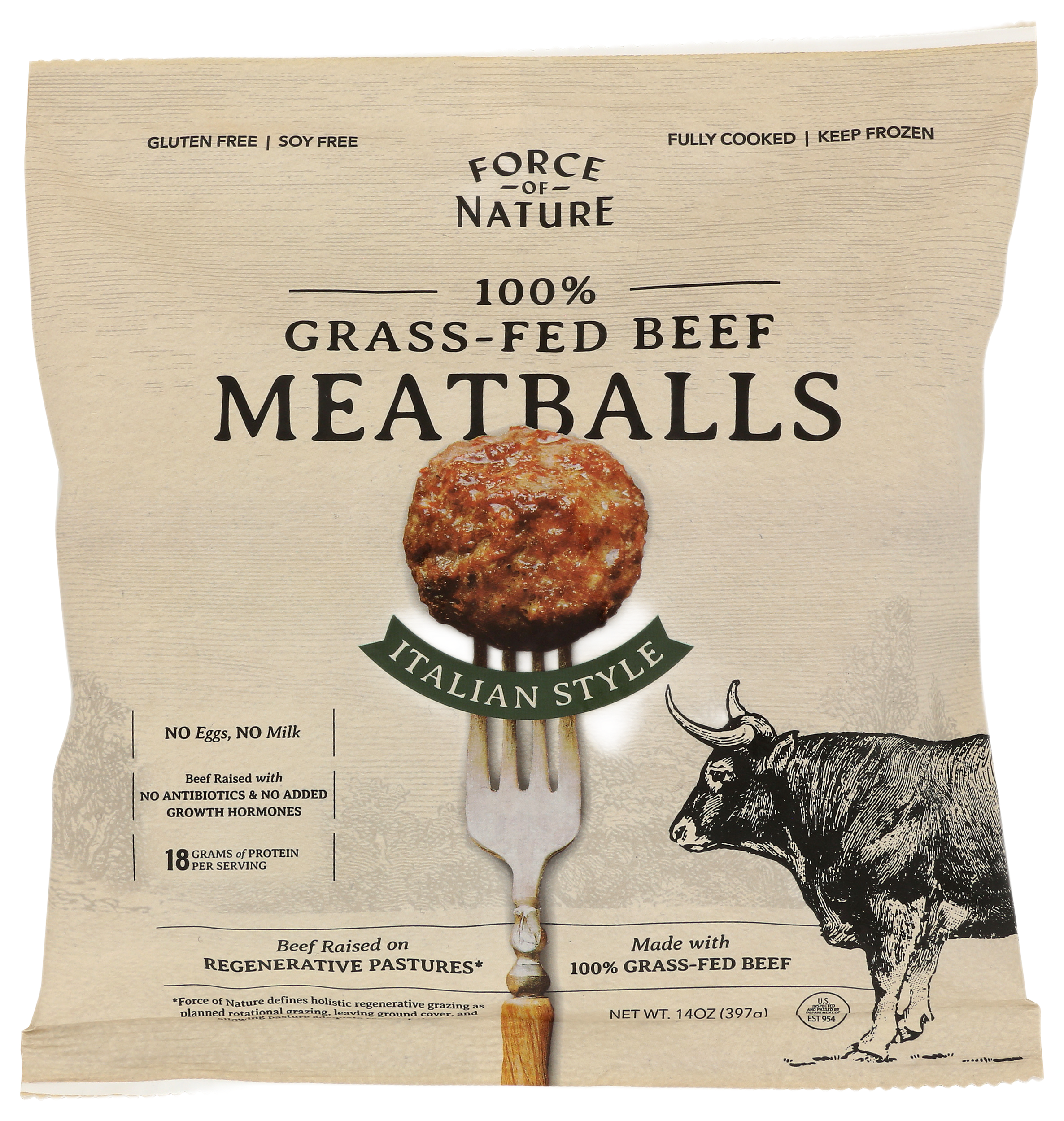
Nana’s Italian Meatballs are made with simple ingredients like beef, pork, and spices, which contribute to a relatively clean label. The product is processed, but it avoids the use of harmful additives such as artificial colors, flavors, or preservatives. The presence of tapioca starch as a binder is minimal and does not significantly detract from the overall quality of the ingredients.
Key ingredients 6
SpicesGood
Whole-food seasonings, antioxidant-bearing.
Risks
Potential for allergic reactions in sensitive individuals.
Benefits
May offer antioxidant properties and enhance the flavor profile of foods.
BeefNeutral
Beef is a rich source of protein and essential nutrients like iron and B vitamins. The quality of beef can vary based on factors such as feed and farming practices. Without specific quality indicators like grass-fed or organic, it is considered a standard protein source.
Risks
Excessive consumption of red meat has been linked to increased risk of certain health issues, such as heart disease.
Benefits
Provides high-quality protein and essential nutrients that support muscle growth and overall health.
PorkNeutral
Pork is a versatile protein source that contains essential amino acids and nutrients. The health impact of pork depends on the cut and preparation method. Without specific quality indicators, it is considered a standard protein source.
Risks
High consumption of processed pork products can increase the risk of cardiovascular diseases.
Benefits
Rich in protein and nutrients such as thiamine, selenium, and zinc, which are important for various bodily functions.
WaterNeutral
Water is a fundamental ingredient used in food processing to maintain moisture and texture. It is essential for hydration and has no direct nutritional impact. In this context, it serves as a neutral component in the product.
See more about Water →SaltNeutral
Salt is used to enhance flavor and preserve food. It is a common ingredient in processed foods and provides sodium, which is essential for fluid balance. However, excessive intake can lead to health issues.
Risks
High sodium intake is associated with increased risk of hypertension and cardiovascular diseases.
Benefits
Provides essential sodium needed for nerve and muscle function.
Tapioca starchNeutral
Tapioca starch is a gluten-free thickening agent derived from cassava root. It is used to improve texture and consistency in food products. It is generally considered neutral as it provides minimal nutritional value.
Benefits
Useful for thickening and stabilizing foods without gluten.
Processing
Processed Foods
Get the full breakdown in the Scout appTake Scout shopping
Scan any product to see lab results, healthy alternatives, and your personalized analysis.
Download on theApp Store GET IT ONGoogle Play