


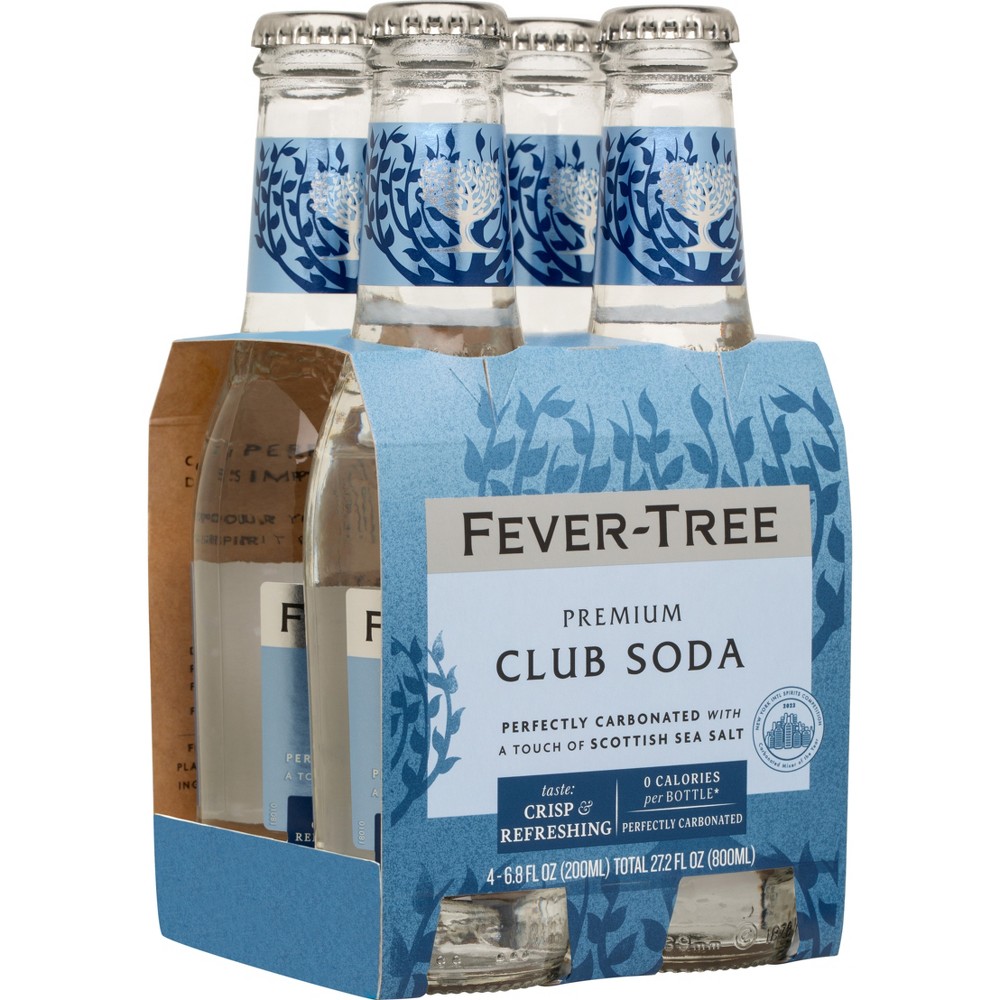


At a glance
Summary
This elderflower tonic water is ultra-processed, which limits its potential score. It contains cane sugar, contributing to added sugars that can lead to health issues like obesity and diabetes. The presence of 'natural flavours' adds to the processing concerns due to their vague composition and potential for significant processing.
Key ingredients 6
Fresh Elderflower ExtractGood
Fresh elderflower extract is derived from the flowers of the elderberry plant and is known for its aromatic properties. It may contain antioxidants and anti-inflammatory compounds, contributing positively to health. The extract is minimally processed, retaining most of its natural benefits.
Benefits
Contains antioxidants that may support immune health and reduce inflammation.
Carbonated Spring WaterNeutral
Carbonated spring water is primarily used as a base for beverages, providing effervescence without additional calories or sugars. It is naturally sourced and minimally processed, making it a neutral ingredient in terms of health impact. It does not contribute any significant nutrients or risks.
Citric AcidNeutral
Citric acid is a natural acid found in citrus fruits, used as a preservative and flavor enhancer in beverages. It is generally recognized as safe and is commonly used in food processing. While it adds a tangy flavor, it does not provide significant nutritional benefits.
Risks
Excessive consumption may lead to dental erosion due to its acidic nature.
Natural QuinineNeutral
Natural quinine is an alkaloid derived from the bark of the cinchona tree, traditionally used for its bitter flavor in tonic water. It is used in small amounts and is generally safe for consumption. Quinine has a long history of use but offers no significant nutritional benefits.
Risks
In rare cases, quinine can cause allergic reactions or interact with certain medications.
Cane SugarBad
Cane sugar is a refined sweetener that contributes to the calorie content without providing essential nutrients. Excessive consumption of added sugars can lead to health issues such as obesity, diabetes, and heart disease. It is processed to remove impurities, resulting in a high glycemic index.
Risks
High intake of added sugars can increase the risk of metabolic disorders and dental cavities.
Natural FlavoursBad
Natural flavours are added to enhance the taste of the beverage but are often vague in composition. They can be derived from various natural sources but may undergo significant processing. The lack of transparency in their composition can be concerning for consumers.
Risks
Potential allergens or sensitivities may be present due to the unspecified nature of the flavours.
Processing
Ultra-Processed Foods
Get the full breakdown in the Scout appTake Scout shopping
Scan any product to see lab results, healthy alternatives, and your personalized analysis.
Download on theApp Store GET IT ONGoogle Play