
At a glance
Summary
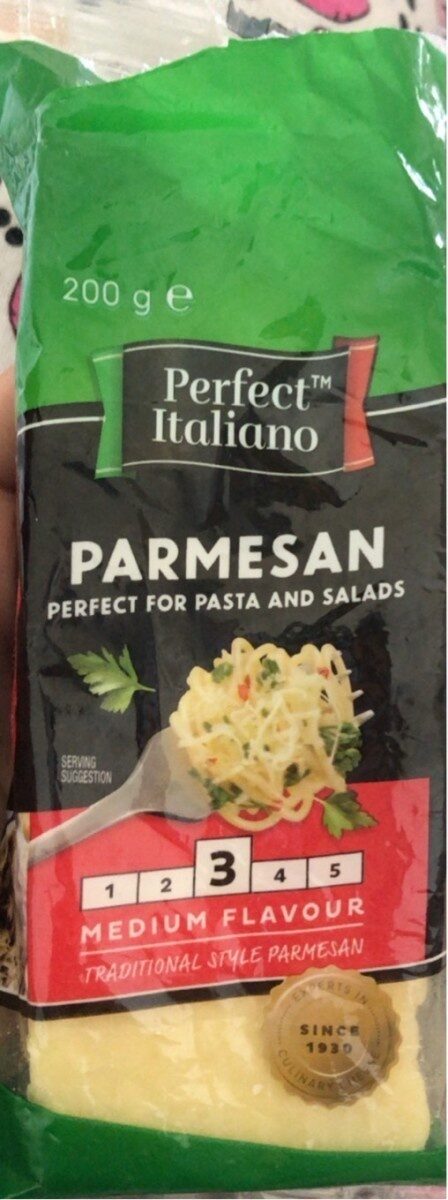
This Parmesan cheese is made with a simple and traditional ingredient list consisting of milk, salt, cultures, and enzymes, which aligns with traditional cheese-making practices. Despite being classified as processed, it avoids harmful additives and maintains a clean label, contributing to its high score. The product's nutritional profile, with high protein content and essential nutrients, further supports its positive rating.
Key ingredients 4
MilkGood
Milk is a primary source of high-quality protein and essential nutrients like calcium and vitamin D. It is minimally processed in traditional cheese-making, retaining its nutritional benefits. Grass-fed or organic milk would enhance its quality further.
Risks
Potential risks include lactose intolerance or milk allergies in some individuals.
Benefits
Rich in protein and calcium, supporting bone health and muscle function.
CulturesGood
Beneficial ingredient — whole-food or functional value in this product class.
Benefits
Contributes to the development of flavor and texture in cheese.
SaltNeutral
Salt is used in cheese-making for flavor and preservation. It is a refined form of sodium chloride without additional trace minerals. Excessive consumption can lead to health issues like hypertension.
Risks
High sodium intake may contribute to increased blood pressure and cardiovascular risk.
EnzymeNeutral
Enzymes are used in cheese-making to coagulate milk, forming curds. They are typically derived from animal or microbial sources. The use of microbial enzymes can be beneficial for vegetarian-friendly cheese.
Benefits
Facilitates the cheese-making process by aiding in milk coagulation.
Processing
Processed Foods
Get the full breakdown in the Scout appTake Scout shopping
Scan any product to see lab results, healthy alternatives, and your personalized analysis.
Download on theApp Store GET IT ONGoogle Play