


At a glance
Summary
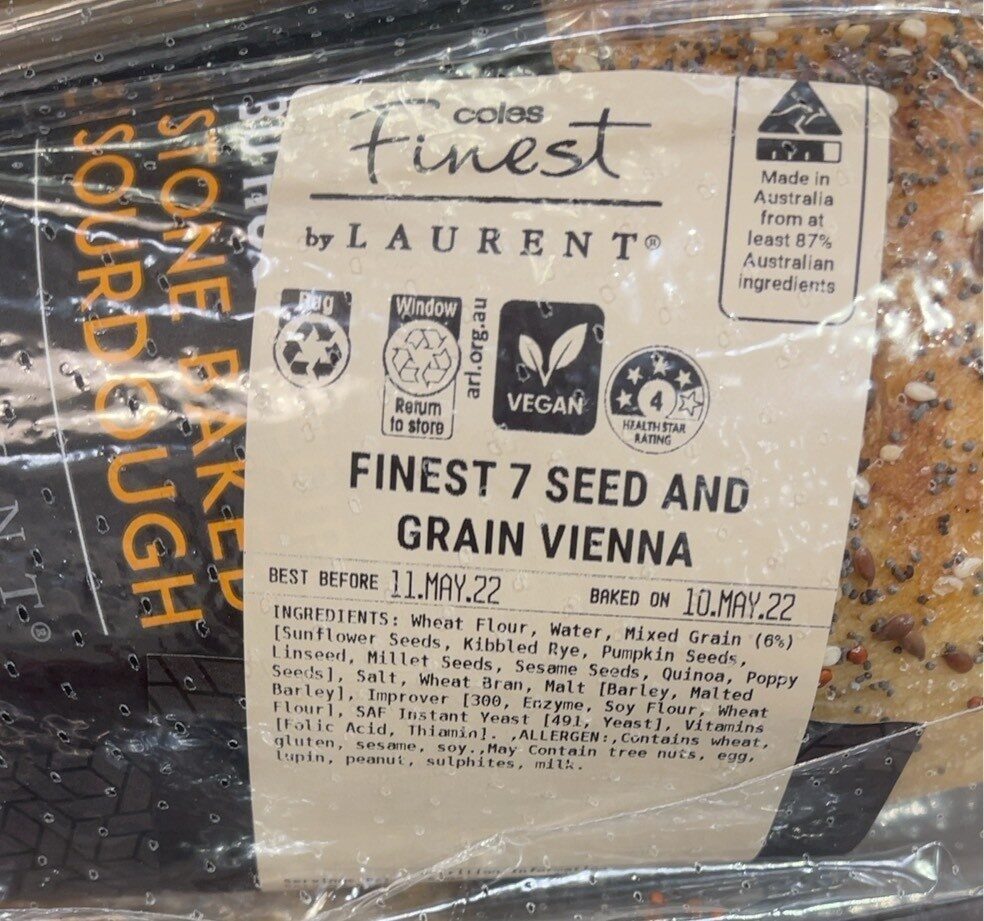
This bread features a mix of beneficial grains and seeds, which contribute to its nutritional value by providing fiber, vitamins, and healthy fats. However, the presence of a bread improver, which includes processed additives, slightly detracts from its overall quality. The product is moderately processed, which limits its score despite the inclusion of several nutritious ingredients.
Key ingredients 9
Mixed GrainVery Good
Mixed grains such as sunflower seeds, pumpkin seeds, and quinoa provide a variety of nutrients and healthy fats. They are minimally processed and offer fiber, vitamins, and minerals. These grains enhance the nutritional profile of the bread significantly.
Risks
Potential allergen risk for individuals sensitive to seeds.
Benefits
Rich in fiber, healthy fats, and essential nutrients like magnesium and zinc.
Wheat BranGood
Wheat bran is a byproduct of milling and is rich in dietary fiber. It is less processed than refined flour and adds nutritional value to the bread. It aids in digestion and provides a feeling of fullness.
Risks
May cause digestive discomfort in some individuals if consumed in large amounts.
Benefits
High in fiber, promoting digestive health and satiety.
SAF Instant YeastGood
Instant yeast is a convenient leavening agent that helps bread rise. It is a natural ingredient that simplifies the baking process. It contributes to the bread's texture and flavor without adding unnecessary additives.
Benefits
Facilitates fermentation and enhances bread texture.
VitaminsGood
Added vitamins like folic acid and thiamin enhance the nutritional profile of the bread. These are essential nutrients that support various bodily functions. Fortification helps prevent deficiencies in the general population.
Benefits
Supports metabolic processes and overall health.
WaterNeutral
Water is a fundamental ingredient in bread making, necessary for dough formation and yeast activation. It does not contribute any calories or nutrients. Its role is primarily functional in the baking process.
Benefits
Essential for hydration and dough consistency.
SaltNeutral
Salt is used in bread to enhance flavor and control yeast activity. It is a common additive in processed foods. While necessary in small amounts, excessive consumption can lead to health issues.
Risks
High sodium intake can contribute to hypertension.
Benefits
Enhances flavor and helps in dough fermentation.
MaltNeutral
Malt, derived from barley, is used to enhance flavor and color in bread. It is a natural ingredient but provides limited nutritional benefits. Its primary role is to improve the sensory qualities of the bread.
Risks
Contains gluten, which may be a concern for those with celiac disease.
Benefits
Adds a rich flavor and color to the bread.
Wheat FlourBad
Refined grain flour stripped of bran and germ.
Risks
Refined wheat flour can contribute to blood sugar spikes and lacks fiber.
Benefits
Provides essential carbohydrates for energy.
ImproverBad
Bread improvers often contain additives like enzymes and emulsifiers to enhance dough quality. These are processed ingredients that can detract from the natural quality of the bread. While they improve texture, they are not necessary for health.
Risks
May contain additives that some individuals prefer to avoid.
Benefits
Improves dough consistency and shelf life.
Processing
Processed Foods
Get the full breakdown in the Scout appTake Scout shopping
Scan any product to see lab results, healthy alternatives, and your personalized analysis.
Download on theApp Store GET IT ONGoogle Play