


At a glance
Summary
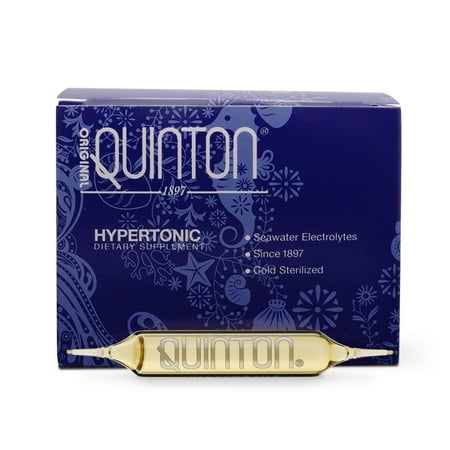
This electrolyte product contains beneficial ingredients like sodium bicarbonate, sodium chloride, and potassium compounds that support hydration and electrolyte balance. However, the presence of amaranth, a synthetic dye with potential health concerns, detracts from its overall quality. The formulation is moderately processed, but the inclusion of effective electrolytes provides some redeeming qualities.
Key ingredients 7
Potassium CitrateGood
Potassium citrate is used to prevent kidney stones and maintain proper urinary pH. It also contributes to electrolyte balance in the body. Its inclusion in supplements aids in hydration and mineral balance.
Risks
High doses can lead to gastrointestinal discomfort and hyperkalemia.
Benefits
Helps prevent kidney stones and supports electrolyte balance.
Citric AcidNeutral
Citric acid is a natural preservative and flavor enhancer. It is commonly used to add a sour taste to foods and beverages. While generally safe, excessive consumption can cause dental erosion.
Risks
High consumption may lead to dental erosion due to its acidic nature.
Benefits
Acts as a natural preservative and enhances flavor.
Sodium BicarbonateNeutral
Standard formulation ingredient — neither beneficial nor harmful at typical use.
Risks
Excessive intake can lead to alkalosis, a condition where the body's pH becomes too alkaline.
Benefits
Helps maintain pH balance and supports hydration and electrolyte balance.
Sodium ChlorideNeutral
Standard formulation ingredient — neither beneficial nor harmful at typical use.
Risks
Excessive sodium intake can lead to high blood pressure and cardiovascular issues.
Benefits
Essential for fluid balance, nerve function, and muscle health.
Potassium ChlorideNeutral
Standard formulation ingredient — neither beneficial nor harmful at typical use.
Risks
Excessive potassium intake can lead to hyperkalemia, a condition with potentially serious heart implications.
Benefits
Supports electrolyte balance, muscle function, and cardiovascular health.
GlucoseBad
Processed additive flagged under Scout's ingredient doctrine.
Risks
Excessive intake can lead to increased blood sugar levels and potential weight gain.
Benefits
Provides a quick source of energy and aids in hydration when used in moderation.
AmaranthBad
Amaranth is a synthetic red dye used for coloring foods and beverages. It has been banned in some countries due to potential health concerns. Its use in food products is controversial due to possible links to hyperactivity and allergic reactions.
Risks
Potential links to hyperactivity and allergic reactions; banned in some countries.
Processing
Processed Foods
Get the full breakdown in the Scout appTake Scout shopping
Scan any product to see lab results, healthy alternatives, and your personalized analysis.
Download on theApp Store GET IT ONGoogle Play