



At a glance
Summary
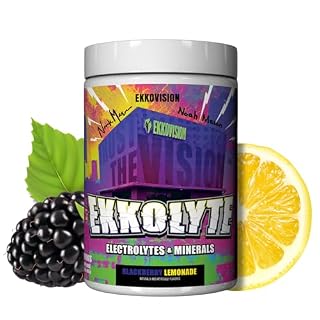
This product contains beneficial ingredients such as natural colors from plants and essential vitamins like vitamin C and E, which contribute positively to its formulation. However, the high sugar content and the presence of emulsifiers like gum arabic and ester gum slightly detract from its overall health profile. The product is moderately processed, but it avoids artificial dyes and sweeteners, which helps maintain a better score.
Key ingredients 19
Alpha-Tocopheryl Acetate (Vitamin E)Very Good
Alpha-tocopheryl acetate is a form of vitamin E, an antioxidant that protects cells from oxidative damage. It supports skin health and immune function. This ingredient is essential for maintaining healthy skin and protecting against free radicals.
Benefits
Protects cells from oxidative damage and supports skin health.
Niacin (Vitamin B3)Very Good
Niacin is a B vitamin that supports energy metabolism and cardiovascular health. It is essential for converting food into energy and maintaining healthy skin. This ingredient is crucial for overall metabolic function and heart health.
Benefits
Supports energy metabolism and cardiovascular health.
Calcium Pantothenate (Vitamin B5)Very Good
Calcium pantothenate is a form of vitamin B5, important for energy production and hormone synthesis. It supports adrenal function and helps convert food into energy. This ingredient is vital for maintaining energy levels and hormonal balance.
Benefits
Supports energy production and hormone synthesis.
Pyridoxine Hydrochloride (Vitamin B6)Very Good
Pyridoxine hydrochloride is a form of vitamin B6, essential for protein metabolism and cognitive development. It supports neurotransmitter synthesis and immune function. This ingredient is important for brain health and immune support.
Benefits
Supports protein metabolism and cognitive development.
Retinol Palmitate (Vitamin A)Very Good
Retinol palmitate is a form of vitamin A, crucial for vision and immune function. It supports skin health and cellular growth. This ingredient is essential for maintaining healthy vision and immune response.
Benefits
Supports vision and immune function.
Cholecalciferol (Vitamin D)Very Good
Cholecalciferol is a form of vitamin D, important for calcium absorption and bone health. It supports immune function and mood regulation. This ingredient is vital for maintaining strong bones and a healthy immune system.
Benefits
Supports calcium absorption and bone health.
Cyanocobalamin (Vitamin B12)Very Good
Cyanocobalamin is a form of vitamin B12, essential for red blood cell formation and neurological function. It supports energy production and DNA synthesis. This ingredient is crucial for maintaining energy levels and neurological health.
Benefits
Supports red blood cell formation and neurological function.
Natural Colour From Plants (Blue Gardenia)Good
Natural color from blue gardenia is derived from plant sources, offering a safe alternative to synthetic dyes. It is minimally processed and retains natural pigments. This ingredient is a healthier choice for coloring foods and beverages.
Benefits
Provides natural coloring without the risks associated with artificial dyes.
Ascorbic Acid (Vitamin C)Good
Ascorbic acid is a potent antioxidant that supports immune function and skin health. It is essential for collagen synthesis and acts as a preservative. This vitamin is crucial for overall health and well-being.
Benefits
Supports immune function and acts as a powerful antioxidant.
Potassium CitrateGood
Potassium citrate is an electrolyte that helps maintain fluid balance and supports muscle function. It is well-absorbed and contributes to cardiovascular health. This ingredient is beneficial for hydration and electrolyte balance.
Risks
Excessive intake may lead to hyperkalemia, especially in individuals with kidney issues.
Benefits
Supports electrolyte balance and cardiovascular health.
Calcium LactateGood
Calcium lactate is a source of calcium, essential for bone health and muscle function. It is easily absorbed and used in supplements and fortified foods. This ingredient supports bone density and overall skeletal health.
Benefits
Supports bone health and provides a bioavailable form of calcium.
Magnesium Phosphate TribasicGood
Magnesium phosphate tribasic is a source of magnesium, crucial for muscle and nerve function. It is used in supplements to support energy production and bone health. This ingredient is beneficial for maintaining normal muscle and nerve function.
Benefits
Supports muscle and nerve function and contributes to bone health.
Deionised WaterNeutral
Deionised water is used as a base for beverages, providing a clean and neutral medium. It undergoes a purification process to remove ions and impurities. No significant health impacts are associated with its consumption.
Crystalline FructoseNeutral
Crystalline fructose is a sweetener derived from corn, providing sweetness with a lower glycemic index than sucrose. It is highly processed to achieve its crystalline form. While it offers sweetness, excessive consumption can lead to metabolic issues.
Risks
Excessive intake may contribute to insulin resistance and metabolic syndrome.
Benefits
Provides a sweet taste with a lower glycemic impact compared to regular sugar.
Citric AcidNeutral
Citric acid is a natural preservative and flavor enhancer commonly used in beverages. It is produced through fermentation and is generally recognized as safe. It can enhance flavor but may cause dental erosion if consumed excessively.
Risks
May contribute to dental erosion if consumed in large quantities.
Benefits
Enhances flavor and acts as a preservative in food and beverages.
Natural Boysenberry (Lemonade Flavour)Neutral
Natural boysenberry flavor is derived from real fruit, providing a natural taste profile. It is used to enhance the flavor of beverages without artificial additives. The processing method retains the natural essence of the fruit.
Benefits
Provides a natural fruit flavor without artificial additives.
Natural Coffee Berry (Coffea Arabica)Neutral
Natural coffee berry is derived from the coffee plant, providing natural caffeine and antioxidants. It is minimally processed and retains beneficial compounds. This ingredient offers a natural source of caffeine without synthetic additives.
Risks
Excessive caffeine intake may lead to jitteriness and insomnia.
Benefits
Provides natural caffeine and antioxidants from the coffee plant.
Gum ArabicNeutral
Gum arabic is a natural emulsifier and stabilizer derived from acacia trees. It is used to improve texture and stability in beverages. This ingredient is generally recognized as safe and has minimal processing.
Benefits
Improves texture and stability in food and beverages.
Ester GumNeutral
Ester gum is used as a stabilizer and emulsifier in beverages, derived from glycerol and natural resins. It helps maintain the consistency of the product. This ingredient is considered safe for consumption in regulated amounts.
Benefits
Helps stabilize and emulsify beverages, maintaining consistency.
Processing
Processed Foods
Get the full breakdown in the Scout appTake Scout shopping
Scan any product to see lab results, healthy alternatives, and your personalized analysis.
Download on theApp Store GET IT ONGoogle Play