
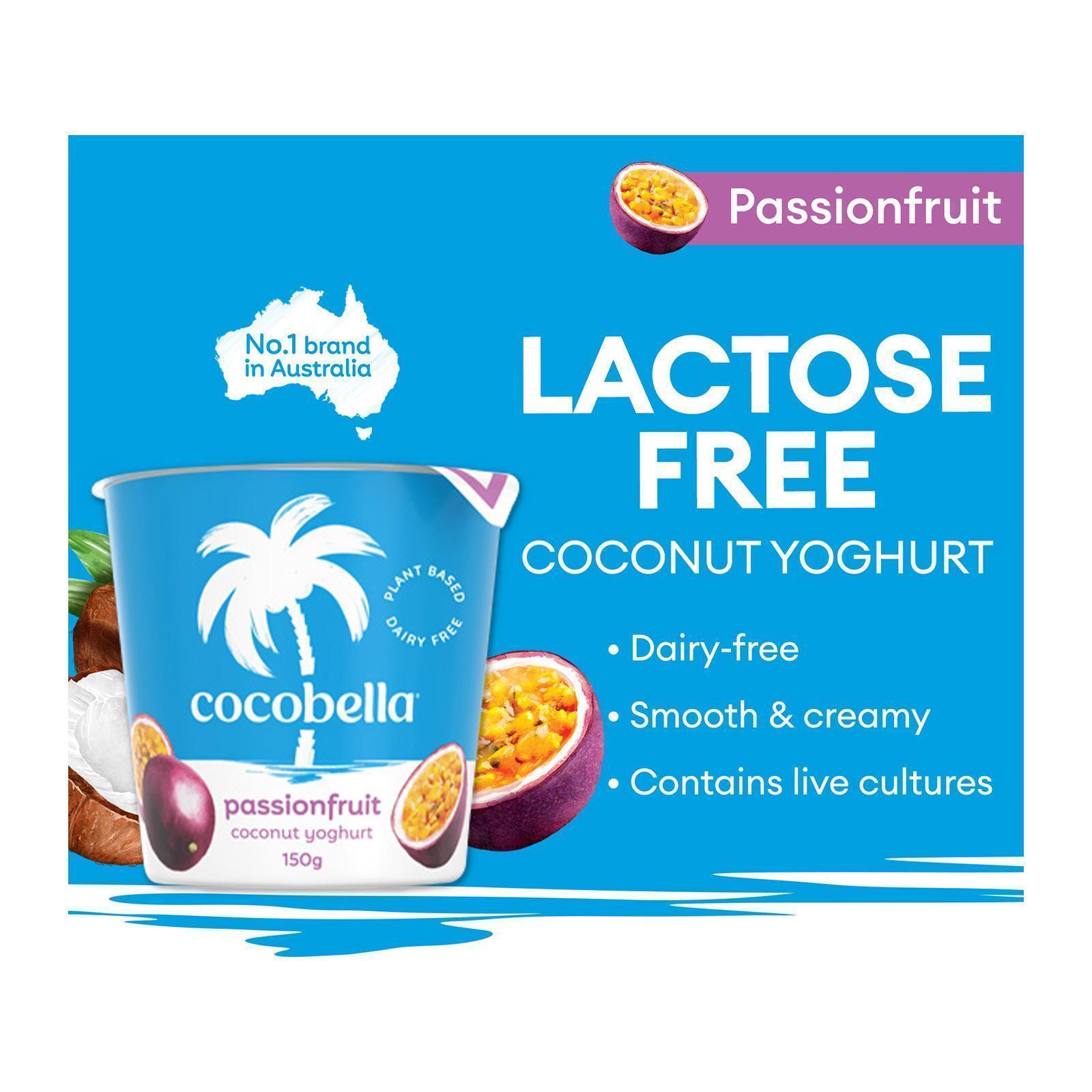
Dairy-free coconut passionfruit yoghurt
Analysis updated October 2026 · How Scout scores
At a glance
Summary
This dairy-free coconut passionfruit yoghurt is ultra-processed, which limits its potential health score. While it contains beneficial ingredients like coconut milk and probiotics, it also includes added sugar and natural flavors, which are less desirable due to their refined nature and lack of transparency. The presence of these processed ingredients, along with the overall level of processing, impacts its health rating.
Key ingredients 10
Yoghurt cultures and probioticsVery Good
Yoghurt cultures and probiotics are beneficial for gut health, supporting a healthy microbiome. They are naturally occurring and enhance the nutritional profile of the product. Probiotics can improve digestion and boost immune function.
Benefits
Supports gut health and digestion through beneficial bacteria.
Coconut milkGood
Coconut milk is a source of healthy fats, particularly medium-chain triglycerides (MCTs), which can support energy metabolism. It is minimally processed and provides a creamy texture without the need for dairy. Compared to seed oils, coconut milk offers a more stable fat profile with potential health benefits.
Risks
Excessive consumption may lead to increased calorie intake and potential weight gain.
Benefits
Rich in MCTs that can support energy and metabolism. Provides a creamy texture and flavor without dairy.
Carob bean extractGood
Carob bean extract is a natural thickener and stabilizer derived from the seeds of the carob tree. It is minimally processed and provides a natural alternative to synthetic thickeners. It is often used in food products to improve texture and consistency.
Benefits
Provides natural thickening properties and is a source of dietary fiber.
Passionfruit pulpGood
Passionfruit pulp is a natural source of vitamins, antioxidants, and dietary fiber. It is minimally processed and adds natural flavor and nutritional benefits to the product. The pulp provides a source of vitamin C and other antioxidants.
Benefits
Rich in vitamin C and antioxidants, supporting immune health and providing natural flavor.
Native starchNeutral
Native starch is used as a thickening agent and is generally considered neutral in terms of health impact. It is less processed than modified starches and does not contain additives. It serves a functional purpose in providing texture without significant nutritional benefits.
Benefits
Provides texture and thickness to the product without the need for chemical modification.
Guar gumNeutral
Guar gum is a natural thickening agent derived from guar beans, used to improve texture and consistency in food products. It is generally considered safe but can cause digestive issues in sensitive individuals. It is less processed than some synthetic alternatives.
Risks
May cause digestive discomfort in some individuals if consumed in large amounts.
Benefits
Provides a natural thickening effect and can help stabilize food products.
Sodium citrateNeutral
Sodium citrate is used as an acidity regulator and stabilizer in food products. It is generally recognized as safe and is used in small amounts. It helps maintain the desired pH level in the product.
Benefits
Helps stabilize the product and maintain acidity balance.
Tapioca syrupBad
Processed additive flagged under Scout's ingredient doctrine.
Risks
May contribute to increased blood sugar levels if consumed in large amounts.
Benefits
Offers a natural source of sweetness with a lower glycemic index than refined sugars.
SugarBad
Sugar is a refined sweetener that can contribute to increased blood sugar levels and caloric intake. It is highly processed and lacks nutritional benefits. Excessive consumption of sugar is linked to various health issues, including obesity and metabolic disorders.
Risks
High intake can lead to obesity, diabetes, and other metabolic disorders.
Benefits
Provides sweetness and flavor but lacks nutritional benefits.
Natural flavourBad
Natural flavor is a catch-all term that can include a variety of processed flavoring agents. It lacks transparency and can include additives that are not disclosed. The term 'natural' does not guarantee the absence of synthetic processing.
Risks
Lack of transparency can lead to potential allergens or unwanted additives.
Benefits
Provides flavor enhancement but lacks nutritional benefits.
Processing
Ultra-Processed Foods
Get the full breakdown in the Scout appTake Scout shopping
Scan any product to see lab results, healthy alternatives, and your personalized analysis.
Download on theApp Store GET IT ONGoogle Play