
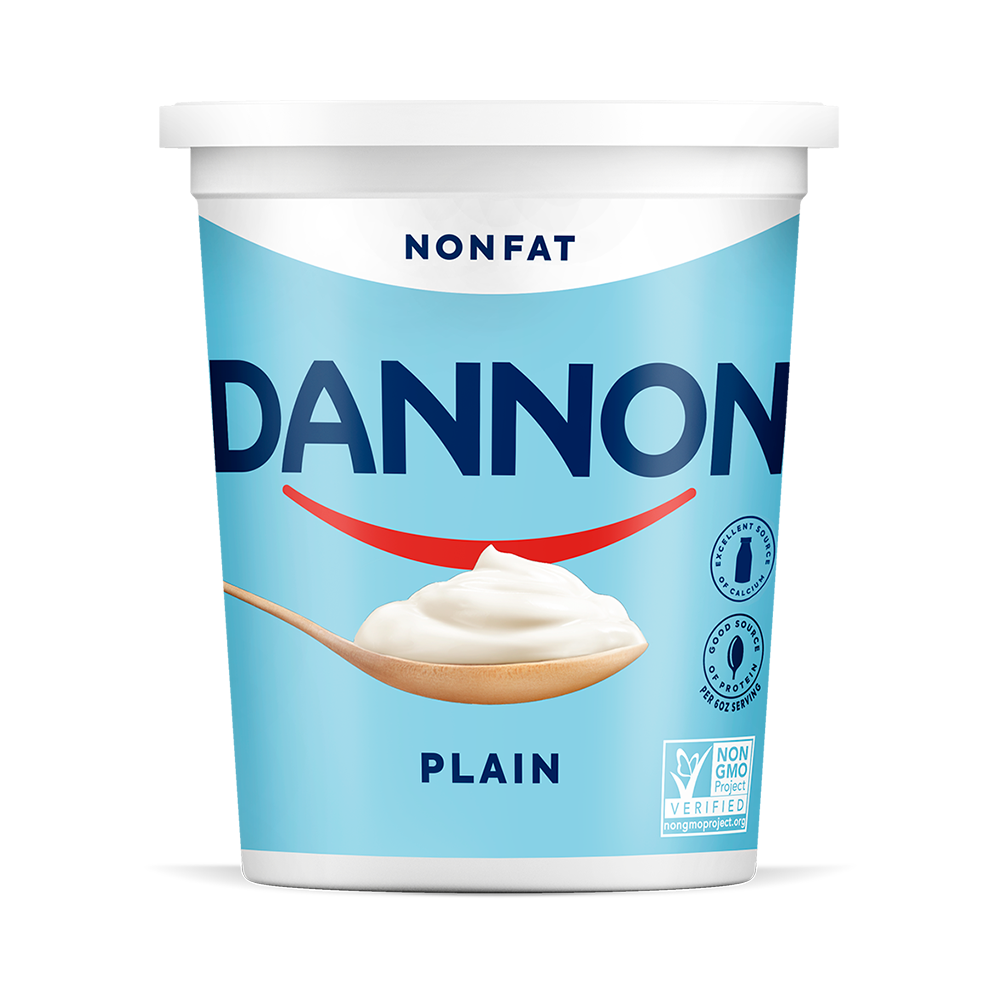




Chobani Nonfat Plain Yogurt
ChobaniAnalysis updated May 2026 · How Scout scores
At a glance
Summary
This yogurt contains beneficial ingredients like cultured nonfat milk and whey protein concentrate, which provide essential nutrients and probiotics. However, it is heavily processed with additives such as carrageenan and potassium sorbate, which are linked to potential health concerns. The presence of these additives and the high level of processing significantly impact its overall healthiness, despite its good nutritional profile.
Key ingredients 8
Cultured pasteurized grade a nonfat milkGood
This ingredient provides a source of protein and probiotics, supporting digestive health and overall nutrition.
See more about Cultured pasteurized grade a nonfat milk →whey protein concentrateGood
Whey protein concentrate adds high-quality protein, beneficial for muscle maintenance and satiety.
See more about whey protein concentrate →pectinNeutral
Standard formulation ingredient — neither beneficial nor harmful at typical use.
See more about pectin →calcium chlorideNeutral
Standard formulation ingredient — neither beneficial nor harmful at typical use.
See more about calcium chloride →vitamin a palmitateNeutral
Standard formulation ingredient — neither beneficial nor harmful at typical use.
See more about vitamin a palmitate →modified food starchBad
Chemically modified starch additive.
See more about modified food starch →carrageenanBad
Carrageenan is often used as a stabilizer but has been linked to digestive discomfort in some individuals.
See more about carrageenan →potassium sorbateBad
Synthetic preservative — flagged in daily-use products.
See more about potassium sorbate →Processing
Ultra-Processed Foods
Get the full breakdown in the Scout appTake Scout shopping
Scan any product to see lab results, healthy alternatives, and your personalized analysis.
Download on theApp Store GET IT ONGoogle PlayAmazon pricing & content
Amazon price as of . Product prices and availability are accurate as of the date/time indicated and are subject to change. Any price and availability information displayed on Amazon.com at the time of purchase will apply to the purchase of this product.
CERTAIN CONTENT THAT APPEARS ON THIS SITE COMES FROM AMAZON. THIS CONTENT IS PROVIDED “AS IS” AND IS SUBJECT TO CHANGE OR REMOVAL AT ANY TIME.