


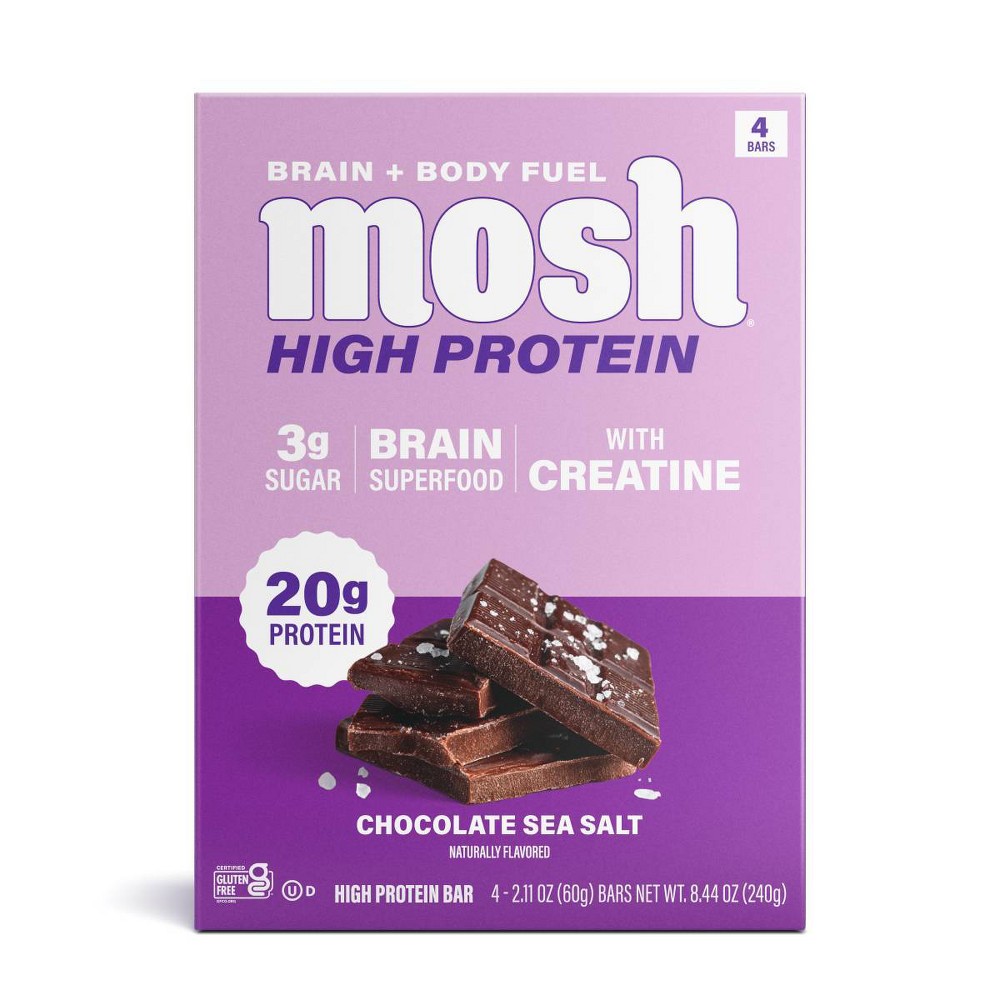

Musashi High Protein
Analysis updated September 2026 · How Scout scores
At a glance
Summary
This product contains high-quality protein sources like whey protein concentrate and isolate, which are beneficial for muscle repair and growth. However, the presence of emulsifiers and unspecified sweeteners raises concerns about potential health impacts and processing level. The inclusion of these additives suggests a moderate level of processing, which affects the overall health rating.
Key ingredients 8
Whey Protein IsolateVery Good
Whey protein isolate is a highly refined protein with minimal lactose and fat. It is ideal for those seeking a pure protein source with minimal carbohydrates. It is processed to remove most non-protein components, enhancing its protein content.
Risks
Generally safe, but may cause digestive issues in sensitive individuals.
Benefits
Excellent source of protein with minimal lactose, supporting muscle growth and recovery.
Whey Protein ConcentrateGood
Whey protein concentrate is a high-quality protein source with a complete amino acid profile. It is beneficial for muscle repair and growth. It is derived from milk and is less processed than isolates.
Risks
May cause digestive issues for those with lactose intolerance.
Benefits
Supports muscle growth and repair due to its rich amino acid content.
Whole Milk PowderGood
Whole milk powder provides essential nutrients such as calcium and vitamin D. It retains the natural fat content of milk, which can be beneficial for absorption of fat-soluble vitamins. It is minimally processed compared to other dairy alternatives.
Risks
Contains lactose, which can be problematic for those with lactose intolerance.
Benefits
Rich in calcium and vitamin D, supporting bone health.
Skim Milk PowderNeutral
Skim milk powder is a source of protein and calcium with reduced fat content. It is used to provide dairy nutrients without the fat. It is more processed than whole milk powder but still retains essential nutrients.
Risks
Contains lactose, which can be problematic for those with lactose intolerance.
Benefits
Provides protein and calcium without the fat content of whole milk.
Vegetable GumNeutral
Vegetable gums are used as thickening agents and stabilizers in food products. They are derived from natural sources like plants and seeds. They help maintain texture and consistency in processed foods.
Risks
Excessive consumption may cause digestive discomfort in some individuals.
Benefits
Helps improve texture and stability of food products.
EmulsifiersBad
Emulsifiers are added to improve texture and shelf life but can disrupt gut health. They are often synthetic and heavily processed. Their use is common in processed foods to maintain consistency.
Risks
May disrupt gut microbiota and contribute to inflammation.
SweetenerBad
Sweeteners can be artificial or natural, but many are linked to metabolic issues. They are used to provide sweetness without calories. The type of sweetener is not specified, which raises concerns about potential health impacts.
Risks
Artificial sweeteners may affect insulin sensitivity and gut health.
DextroseBad
Refined added sugar.
Risks
Excessive consumption can lead to blood sugar spikes and contribute to metabolic issues.
Benefits
Provides a quick source of energy.
Processing
Processed Foods
Get the full breakdown in the Scout appTake Scout shopping
Scan any product to see lab results, healthy alternatives, and your personalized analysis.
Download on theApp Store GET IT ONGoogle PlayAmazon pricing & content
Amazon price as of . Product prices and availability are accurate as of the date/time indicated and are subject to change. Any price and availability information displayed on Amazon.com at the time of purchase will apply to the purchase of this product.
CERTAIN CONTENT THAT APPEARS ON THIS SITE COMES FROM AMAZON. THIS CONTENT IS PROVIDED “AS IS” AND IS SUBJECT TO CHANGE OR REMOVAL AT ANY TIME.