


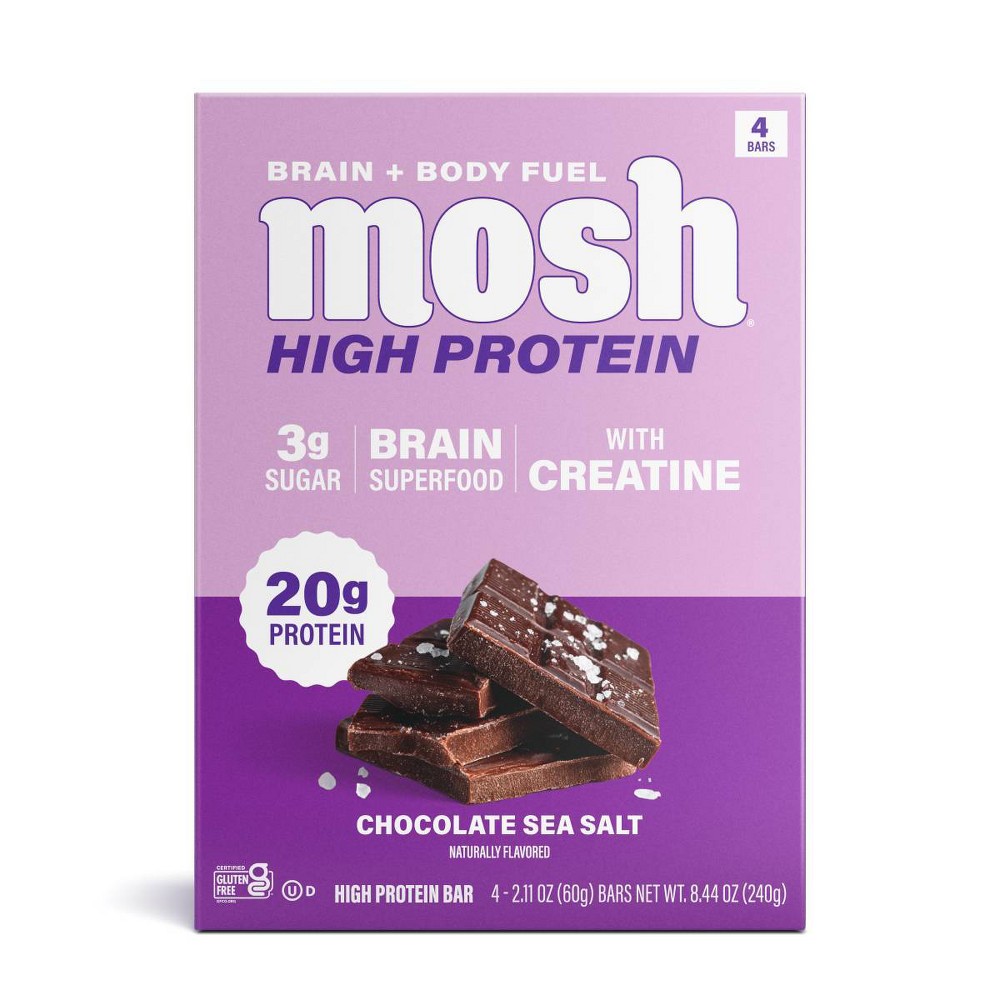


At a glance
Summary
This product contains a mix of beneficial ingredients like almonds, sunflower seeds, and pumpkin seeds, which are rich in healthy fats and nutrients. However, it also includes refined sugars and high oleic sunflower oil, which are less desirable due to their potential impact on blood sugar and overall health. The presence of processed ingredients and the use of soy as a processing aid contribute to its moderate processing level, limiting its score.
Key ingredients 13
AlmondsGood
Almonds are a nutrient-dense nut rich in healthy fats, protein, and fiber. They provide essential vitamins and minerals such as vitamin E and magnesium. Their consumption is associated with improved heart health and reduced inflammation.
Risks
Potential allergen for individuals with nut allergies.
Benefits
Rich in monounsaturated fats that support heart health and provide anti-inflammatory properties.
Sunflower seedsGood
Sunflower seeds are a good source of healthy fats, protein, and fiber. They contain vitamin E, magnesium, and selenium, which are beneficial for heart health and antioxidant protection. Their nutrient profile supports overall health and wellness.
Risks
Potential allergen for some individuals.
Benefits
High in vitamin E, which acts as an antioxidant and supports skin health.
Pumpkin seedsGood
Pumpkin seeds are rich in healthy fats, protein, and a variety of nutrients including magnesium and zinc. They support heart health and immune function. Their nutrient density makes them a beneficial addition to the diet.
Benefits
High in magnesium, which is important for muscle and nerve function.
LinseedGood
Linseed, also known as flaxseed, is high in omega-3 fatty acids and fiber. It supports heart health and digestive function. Its nutrient profile makes it a valuable addition to a balanced diet.
Risks
May cause digestive discomfort if consumed in large quantities.
Benefits
Rich in omega-3 fatty acids, which support heart health and reduce inflammation.
Coconut chipsGood
Coconut chips provide healthy fats and fiber, contributing to satiety and energy. They contain medium-chain triglycerides (MCTs) that are easily metabolized for energy. Their natural sweetness can enhance flavor without added sugars.
Risks
High in saturated fats, which should be consumed in moderation.
Benefits
Contains MCTs that may support energy metabolism and weight management.
Date pasteNeutral
Date paste is a natural sweetener made from whole dates, providing fiber and essential nutrients. It is less processed than refined sugars. However, it is still high in natural sugars and should be consumed in moderation.
Risks
High in natural sugars, which can contribute to calorie intake.
Benefits
Provides fiber and essential nutrients like potassium.
Dried apricotsNeutral
Dried apricots are a source of vitamins and minerals, including vitamin A and potassium. They are a natural source of sweetness. However, they are high in natural sugars and should be consumed in moderation.
Risks
High in natural sugars, which can contribute to calorie intake.
Benefits
Rich in vitamin A, which supports vision and immune function.
Dark chocolate compoundNeutral
Dark chocolate compound provides flavor and some antioxidants from cocoa. It is often used in confectionery for its taste and texture. However, it contains added sugar and vegetable oil, which can reduce its health benefits.
Risks
Contains added sugar and vegetable oil, which can contribute to calorie intake and reduce health benefits.
Benefits
Contains antioxidants from cocoa that may support heart health.
Coconut nectarNeutral
Coconut nectar is a natural sweetener derived from the sap of coconut blossoms. It contains some nutrients and has a lower glycemic index than refined sugars. However, it is still a source of sugar and should be consumed in moderation.
Risks
Still a source of sugar and should be consumed in moderation.
Benefits
Contains some nutrients and has a lower glycemic index than refined sugars.
NZ honeyNeutral
NZ honey is a natural sweetener that provides some antioxidants and antibacterial properties. It is less processed than refined sugars. However, it is high in natural sugars and should be consumed in moderation.
Risks
High in natural sugars, which can contribute to calorie intake.
Benefits
Contains antioxidants and antibacterial properties.
Brown sugarBad
Brown sugar is a refined sugar that contributes to calorie intake without providing significant nutrients. It can lead to blood sugar spikes and contribute to weight gain if consumed in excess. Its use in processed foods is often for flavor enhancement.
Risks
Can lead to blood sugar spikes and contribute to weight gain if consumed in excess.
SoyBad
Soy is used as a processing aid and may contain allergens. It is often genetically modified and can be a concern for those with soy allergies. Its use in processed foods is common for its emulsifying properties.
Risks
Potential allergen and often genetically modified.
High oleic sunflower oilVery Bad
Heavily flagged ingredient class under Scout's doctrine.
Risks
Refined oil that should be consumed in moderation.
Benefits
High in oleic acid, which is a monounsaturated fat that supports heart health.
Processing
Processed Foods
Get the full breakdown in the Scout appTake Scout shopping
Scan any product to see lab results, healthy alternatives, and your personalized analysis.
Download on theApp Store GET IT ONGoogle Play