


At a glance
Summary
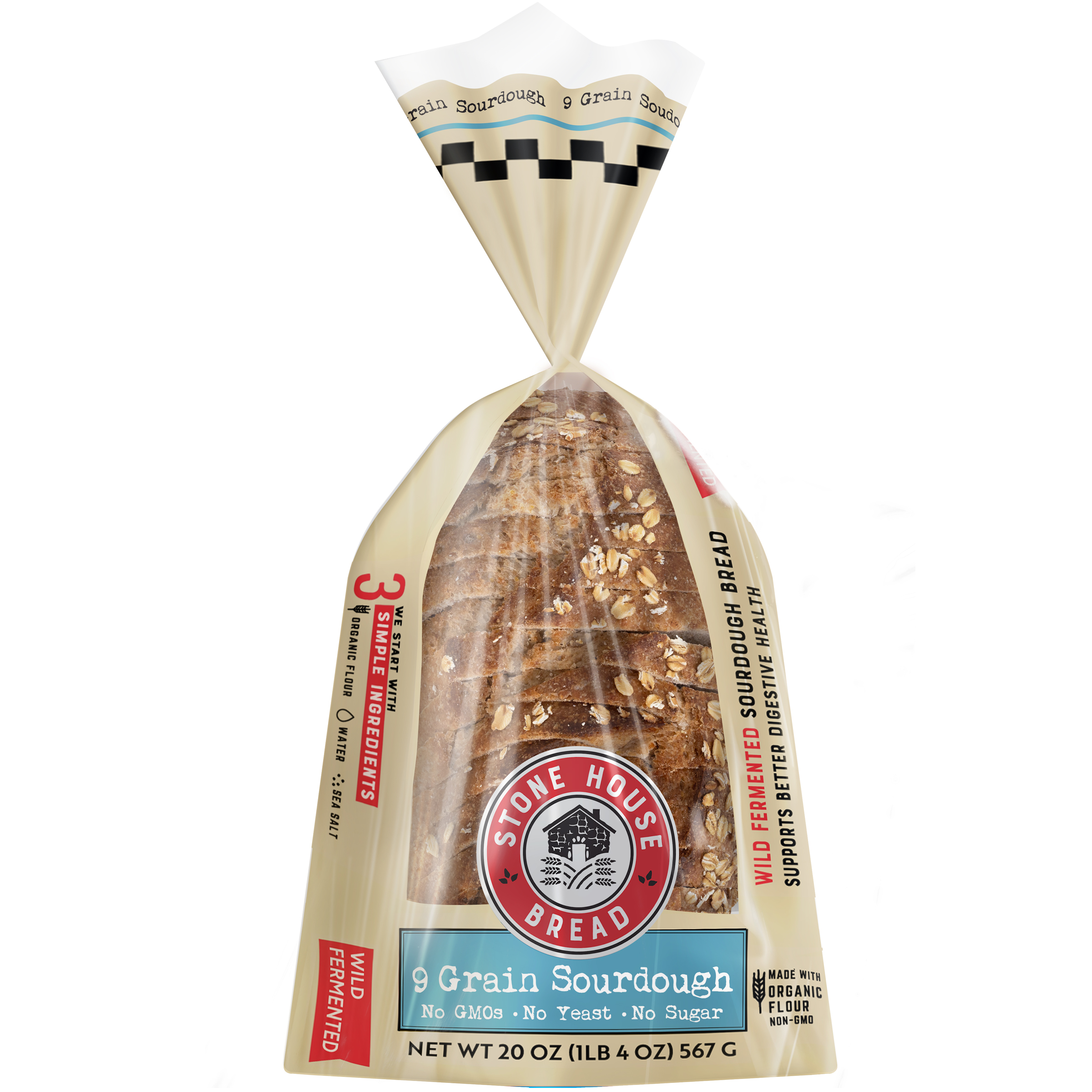
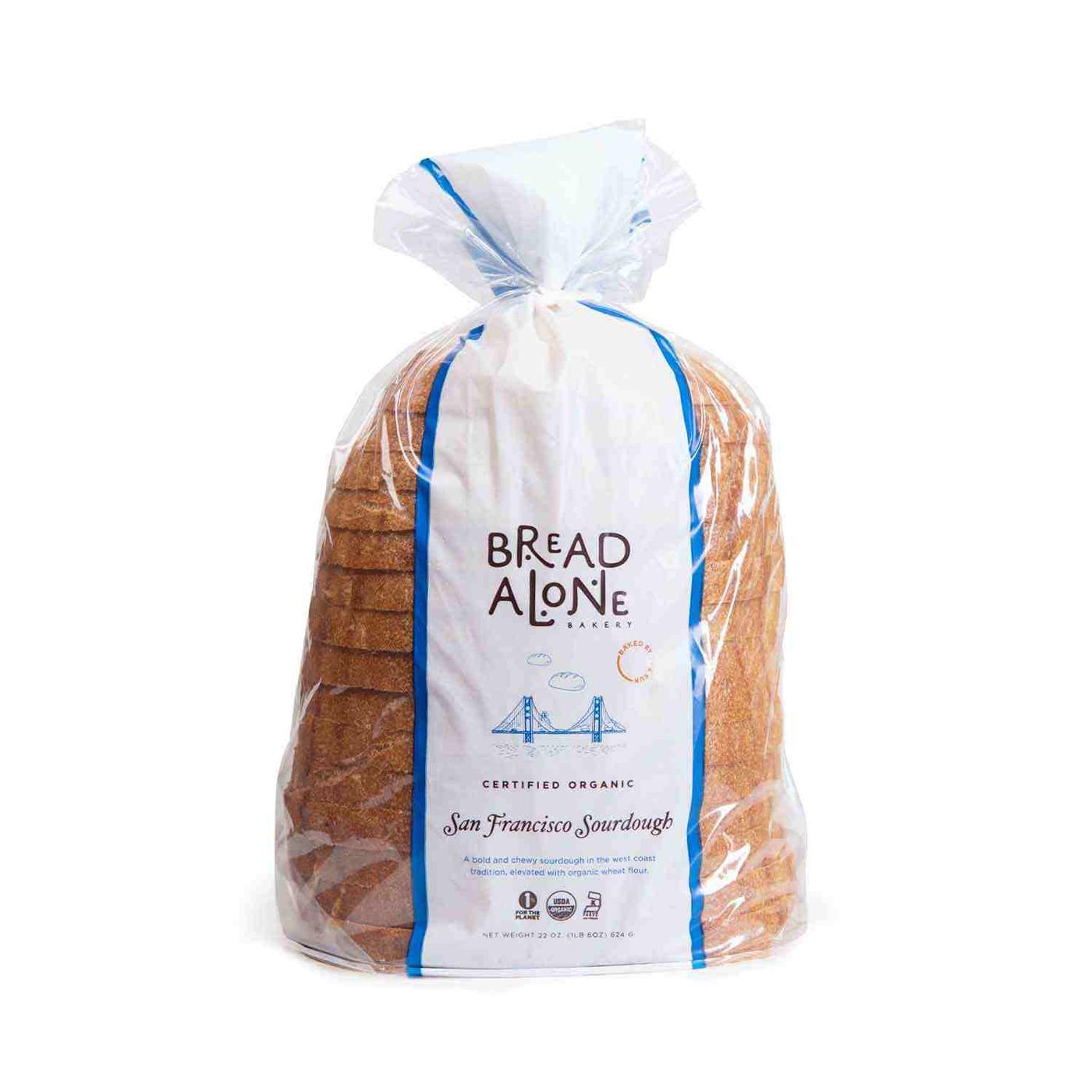
This sourdough batard features a mix of wholemeal and rye flours, which are less processed and retain more nutrients compared to refined flours. The inclusion of mixed grains and seeds adds fiber and healthy fats, enhancing the bread's nutritional profile. However, the presence of folic acid as a synthetic vitamin and the overall processing level limit its score, despite the generally clean ingredient list.
Key ingredients 9
Stoneground wholemeal flourGood
Stoneground wholemeal flour retains more nutrients and fiber compared to refined flour. It is less processed, preserving the bran and germ of the grain. This contributes to better digestive health and provides more vitamins and minerals.
Risks
May cause allergic reactions in individuals with gluten intolerance or celiac disease.
Benefits
Rich in fiber and nutrients, supporting digestive health and providing essential vitamins and minerals.
Mixed grainsGood
Mixed grains such as wheat and rye add diversity in nutrients and flavors. They provide additional fiber and micronutrients compared to single-grain products. This variety can enhance the nutritional profile of the bread.
Risks
Potential allergen for those sensitive to gluten or specific grains.
Benefits
Offers a variety of nutrients and fibers, contributing to a balanced diet and improved digestive health.
Cereals and seedsGood
Cereals and seeds like sunflower seeds, sesame seeds, and linseeds are rich in healthy fats, fiber, and essential nutrients. They add texture and nutritional diversity to the bread. These ingredients are minimally processed, retaining their natural benefits.
Risks
Potential allergen for individuals with seed allergies.
Benefits
Rich in healthy fats, fiber, and essential nutrients, supporting heart health and providing antioxidant properties.
HoneyGood
Traditional whole-food sweetener with trace enzymes and antioxidants.
Risks
High in sugars, which can contribute to increased calorie intake if consumed in excess.
Benefits
Provides natural sweetness and some antioxidants, offering a more natural alternative to refined sugars.
WaterNeutral
Water is essential for hydration and acts as a solvent in the dough-making process. It does not contribute any calories or nutrients. Its role is primarily functional in the baking process.
Benefits
Essential for hydration and necessary for the dough formation process.
Rye flourNeutral
Standard formulation ingredient — neither beneficial nor harmful at typical use.
Risks
May cause allergic reactions in individuals with gluten intolerance or celiac disease.
Benefits
High in fiber and nutrients, supporting heart health and aiding in blood sugar management.
SaltNeutral
Salt is used to enhance flavor and control yeast activity in bread. It is a necessary component in baking but does not provide nutritional benefits. Excessive consumption can lead to health issues like hypertension.
Risks
Excessive intake can contribute to high blood pressure and cardiovascular issues.
Benefits
Enhances flavor and plays a crucial role in the baking process.
VitaminNeutral
Folic acid is a synthetic form of vitamin B9 used to fortify foods. It is important for DNA synthesis and cell growth. While beneficial, it is often added to compensate for nutrients lost during processing.
Benefits
Essential for DNA synthesis and cell growth, supporting overall health.
Wheat flourBad
Refined grain flour stripped of bran and germ.
Risks
May cause allergic reactions in individuals with gluten intolerance or celiac disease.
Benefits
Provides carbohydrates for energy but lacks the fiber and nutrients of whole grains.
Processing
Processed Foods
Get the full breakdown in the Scout appTake Scout shopping
Scan any product to see lab results, healthy alternatives, and your personalized analysis.
Download on theApp Store GET IT ONGoogle Play