
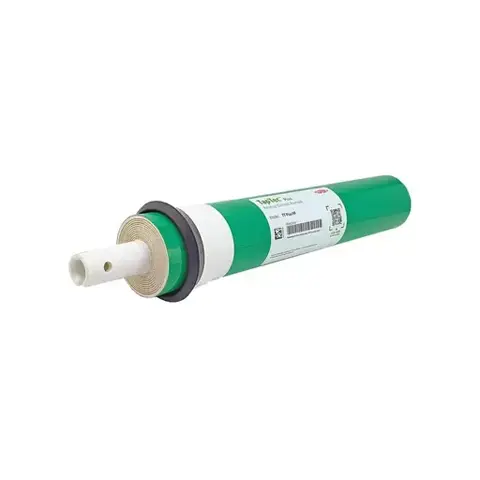
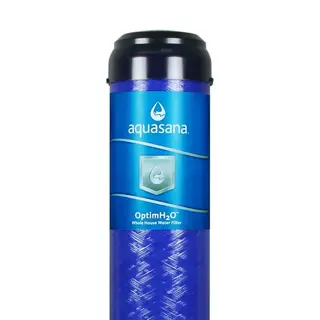
DuPont TapTec TT Plus HF
At a glance
Summary
DuPont TapTec TT Plus HF scores 40/100 for water filtration performance. 7 contaminants effectively filtered.
Key ingredients 12
ChloramineNeutral
Chloramine reduction is estimated to be between 20-60%, as it can be more challenging to remove than chlorine, but reverse osmosis systems generally perform well.
See more about Chloramine →VOCsNeutral
VOCs reduction is estimated to be around 20-60%, as reverse osmosis can remove some volatile organic compounds, but performance may vary.
See more about VOCs →PesticidesNeutral
Pesticide reduction is estimated to be around 20-60%, as reverse osmosis can remove some pesticides, but effectiveness may vary.
See more about Pesticides →HerbicidesNeutral
Herbicide reduction is estimated to be between 20-60%, as reverse osmosis can help reduce these contaminants, but results may vary.
See more about Herbicides →PharmaceuticalsNeutral
Pharmaceuticals reduction is estimated to be around 20-60%, as reverse osmosis can remove some pharmaceutical compounds, but effectiveness may vary.
See more about Pharmaceuticals →MicroplasticsGood
The filter is certified for 100% reduction of microplastics, which are harmful pollutants that can affect human health and the environment.
See more about Microplastics →PFASGood
The filter is designed to effectively reduce PFAS, which are persistent chemicals linked to various health issues, with a reduction rate estimated to be over 60%.
See more about PFAS →ChlorineGood
Chlorine reduction is expected to be high, likely over 60%, as it is commonly targeted by reverse osmosis systems due to its potential health risks.
See more about Chlorine →Heavy MetalsGood
The filter is expected to reduce heavy metals by over 60%, which is crucial for preventing various health issues associated with metal exposure.
See more about Heavy Metals →FluorideGood
Fluoride reduction is likely over 60%, as reverse osmosis systems are effective in removing fluoride, which can have adverse health effects in high concentrations.
See more about Fluoride →SedimentGood
Sediment reduction is expected to be over 60%, which is important for protecting plumbing and improving water clarity.
See more about Sediment →CystsGood
Cysts are likely reduced by over 60%, which is vital for preventing waterborne diseases.
See more about Cysts →Get the full breakdown in the Scout appTake Scout shopping
Scan any product to see lab results, healthy alternatives, and your personalized analysis.
Download on theApp Store GET IT ONGoogle Play