



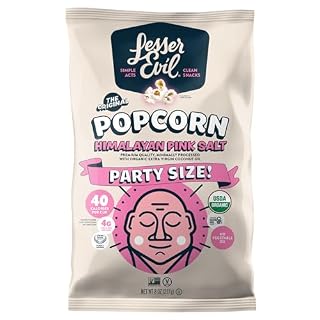




Lesser Evil Cheezmos Blazin' Hot Cheddar Chips
At a glance
Summary
This product features several beneficial ingredients such as organic avocado oil, organic spices, and organic cheddar cheese, which contribute positively to its nutritional profile. However, it is classified as ultra-processed due to the presence of organic maltodextrin and other processed components, which limits its overall healthiness. Despite the use of organic ingredients, the level of processing and the inclusion of refined carbohydrates like maltodextrin prevent it from scoring higher.
Key ingredients 17
Organic Avocado OilVery Good
Organic avocado oil is a high-quality fat rich in monounsaturated fats. It supports heart health and has anti-inflammatory properties. The oil is cold-pressed, preserving its beneficial compounds.
Benefits
Rich in monounsaturated fats that support heart health and provide anti-inflammatory properties.
Sea SaltGood
Sea salt is a minimally processed source of sodium and trace minerals. It enhances flavor and provides essential electrolytes. Unlike refined salt, it retains some natural minerals.
Risks
Excessive consumption can lead to high blood pressure and other health issues.
Benefits
Provides essential sodium and trace minerals, supporting electrolyte balance.
Organic Garlic PowderGood
Organic garlic powder is a flavorful spice with potential health benefits, including antimicrobial properties. It is minimally processed and retains beneficial compounds found in fresh garlic. Being organic, it is free from synthetic pesticides.
Benefits
Contains compounds that may support immune function and cardiovascular health.
Organic SpicesGood
Organic spices add flavor and potential health benefits, such as antioxidants and anti-inflammatory properties. They are minimally processed and enhance the nutritional profile of foods. Being organic, they are free from synthetic pesticides.
Benefits
Provide antioxidants and enhance flavor without added calories.
Organic ButtermilkGood
Organic buttermilk is a cultured dairy product that provides protein and probiotics. It is less processed than many dairy alternatives and supports digestive health. Being organic, it is free from synthetic hormones and antibiotics.
Risks
May cause issues for individuals with lactose intolerance.
Benefits
Provides protein and probiotics, supporting digestive and immune health.
Organic PaprikaGood
Organic paprika is a spice rich in antioxidants and vitamins, such as vitamin A. It adds flavor and color to foods while providing health benefits. Being organic, it is free from synthetic pesticides.
Benefits
Rich in antioxidants and vitamins, supporting overall health.
Organic Cheddar CheeseGood
Organic cheddar cheese provides high-quality protein and calcium. It is less processed than many cheese alternatives and supports bone health. Being organic, it is free from synthetic hormones and antibiotics.
Risks
May cause issues for individuals with lactose intolerance.
Benefits
Provides protein and calcium, supporting bone and muscle health.
Organic Onion PowderGood
Organic onion powder is a flavorful spice with potential health benefits, including antioxidant properties. It is minimally processed and retains beneficial compounds found in fresh onions. Being organic, it is free from synthetic pesticides.
Benefits
Contains antioxidants that may support immune function and overall health.
Organic Milled CornNeutral
Organic milled corn is a staple ingredient in many snack foods, providing carbohydrates and fiber. Being organic, it is free from synthetic pesticides and GMOs. However, it is a refined grain and lacks significant nutritional benefits compared to whole grains.
Risks
May contribute to high glycemic load and potential blood sugar spikes.
Benefits
Provides a source of carbohydrates and some fiber, supporting energy needs.
Organic Tapioca SolidsNeutral
Organic tapioca solids are derived from cassava root and used as a thickener or filler. They are gluten-free and provide carbohydrates. However, they offer minimal nutritional value beyond energy.
Benefits
Provides a gluten-free source of carbohydrates.
Organic Raw Cane SugarNeutral
Organic raw cane sugar is a less refined form of sugar, retaining some molasses content. It is used as a sweetener but still contributes to caloric intake without significant nutritional benefits. Being organic, it is free from synthetic pesticides.
Risks
Excessive consumption can lead to weight gain and increased risk of metabolic disorders.
Benefits
Provides a natural source of sweetness with minimal processing.
Organic Yeast ExtractNeutral
Organic yeast extract is used as a flavor enhancer and provides some B vitamins. It is a processed ingredient but offers umami flavor to foods. Being organic, it is free from synthetic additives.
Risks
May contain naturally occurring glutamates, which some individuals may be sensitive to.
Benefits
Provides umami flavor and some B vitamins.
Organic Annatto ExtractNeutral
Organic annatto extract is a natural coloring agent derived from seeds. It is minimally processed and used to impart color to foods. Being organic, it is free from synthetic dyes.
Benefits
Provides natural color without synthetic additives.
Organic White Distilled VinegarNeutral
Organic white distilled vinegar is used as a preservative and flavor enhancer. It is a natural product with minimal processing. Being organic, it is free from synthetic chemicals.
Benefits
Acts as a natural preservative and flavor enhancer.
Citric AcidNeutral
Citric acid is a natural preservative and flavor enhancer found in citrus fruits. It is widely used in food processing for its acidic properties. It is generally recognized as safe when used in moderation.
Risks
Excessive consumption may cause gastrointestinal discomfort in sensitive individuals.
Benefits
Acts as a natural preservative and enhances flavor.
Lactic AcidNeutral
Lactic acid is used as a preservative and acidity regulator in foods. It is naturally occurring and contributes to the tangy flavor of fermented products. It is generally recognized as safe when used in moderation.
Benefits
Acts as a natural preservative and acidity regulator.
Organic MaltodextrinBad
Organic maltodextrin is a highly processed carbohydrate used as a thickener or filler. It can cause rapid spikes in blood sugar levels. Despite being organic, it is still a refined ingredient with limited nutritional benefits.
Risks
May contribute to blood sugar spikes and is highly processed.
Processing
Ultra-Processed Foods
Get the full breakdown in the Scout appTake Scout shopping
Scan any product to see lab results, healthy alternatives, and your personalized analysis.
Download on theApp Store GET IT ONGoogle PlayAmazon pricing & content
CERTAIN CONTENT THAT APPEARS ON THIS SITE COMES FROM AMAZON. THIS CONTENT IS PROVIDED “AS IS” AND IS SUBJECT TO CHANGE OR REMOVAL AT ANY TIME.