
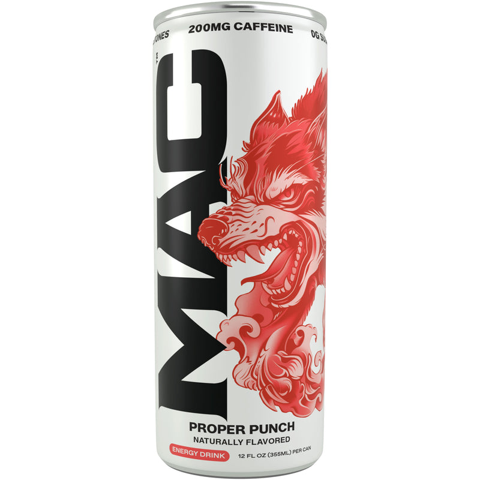
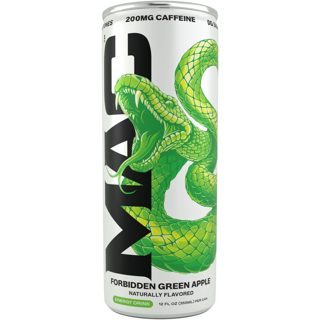
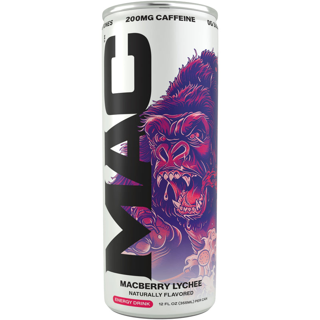

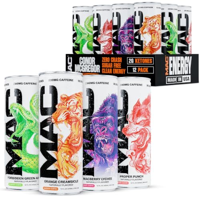
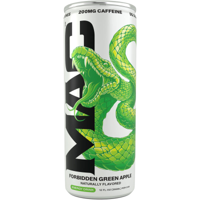
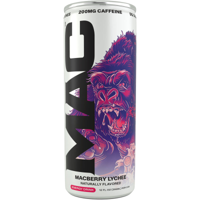
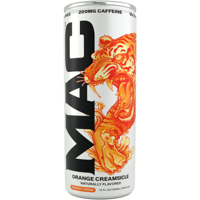
MAC Energy Drink — Proper Punch
At a glance
Summary
MAC Energy Drink scores 50/100. A zero-sugar, 10-calorie functional can built on an unusually interesting active stack — goBHB ketones (D-Beta-Hydroxybutyric acid) for non-stimulant energy, Cognizin citicoline for focus, and 200mg of PurCaf caffeine sourced from green coffee beans rather than synthetic caffeine anhydrous. The B-vitamins are all bioactive forms (methylcobalamin, pyridoxal-5'-phosphate, L-methylfolate) instead of the cheap cyanocobalamin most of the category uses. Independently lab tested by Light Labs: lead, cadmium and mercury all non-detect across every flavor, with arsenic at trace levels around 1-2% of the action limit. What keeps it out of the clean tier is the additive system — sucralose for sweetening plus a sodium benzoate and potassium sorbate preservative pair, the same architecture most mainstream energy drinks run.
Contaminants 4
Source: Light Labs (ICP-MS/MS), August 2026
Lead ND Safe
Not detected — no measurable lead at a quantification limit of 0.47 ppb. Lead has no established safe intake level, so a non-detect is the best available result.
Independent third-party testing (Light Labs, Ann Arbor MI, ICP-MS/MS method LLMTDA1 modified from FDA EAM 4.7, ISO 17025 accredited; 355 mL sample received and tested 2026-08-07, order #14080 test #121633): lead not detected against a Prop 65 limit of 0.5 mcg/serving.
Cadmium ND Safe
Not detected — no measurable cadmium at a quantification limit of 0.03 ppb.
Independent third-party testing (Light Labs, ICP-MS/MS, 2026-08-07, test #121633): cadmium not detected against a Prop 65 limit of 4.1 mcg/serving.
Arsenic <0.001 ppm Safe
Detected at a trivial level — 0.13 mcg per serving, about 1% of the 10 mcg Prop 65 daily limit for inorganic arsenic. Measurable, but far below any threshold of concern.
Independent third-party testing (Light Labs, ICP-MS/MS, 2026-08-07, test #121633): arsenic measured at 0.37 ppb (0.13 mcg per 355 mL serving) against a Prop 65 limit of 10 mcg/serving — approximately 1.3% of the limit. Reported in-spec by the lab.
Mercury ND Safe
Not detected — no measurable mercury at a quantification limit of 0.18 ppb.
Independent third-party testing (Light Labs, ICP-MS/MS, 2026-08-07, test #121633): mercury not detected against a Prop 65 limit of 0.3 mcg/serving.
Key ingredients 13
goBHBGood
D-Beta-Hydroxybutyric acid, an exogenous ketone body. Provides an energy substrate the brain and muscle can use directly without stimulants, and is the ingredient behind the product's 'clean energy from ketones' positioning. A genuine functional active rather than label decoration.
See more about goBHB →CognizinGood
Citicoline sodium, a well-studied nootropic that supports acetylcholine synthesis and membrane phospholipids. Cognizin is the branded, clinically-dosed form, so the amount is disclosed rather than buried in a proprietary blend.
See more about Cognizin →NiacinamideGood
The amide form of vitamin B3, supporting cellular energy metabolism through NAD+. Better tolerated than nicotinic acid because it does not cause the niacin flush.
See more about Niacinamide →Pyridoxal-5'-PhosphateGood
The bioactive coenzyme form of vitamin B6, usable without hepatic conversion. A deliberately higher-quality choice than the pyridoxine HCl most energy drinks use.
See more about Pyridoxal-5'-Phosphate →MethylcobalaminGood
The bioactive form of vitamin B12, more readily retained than the synthetic cyanocobalamin found in most of this category. Supports nerve function and red blood cell formation.
See more about Methylcobalamin →L-Methyltetrahydrofolate CalciumGood
The bioactive form of folate, bypassing the MTHFR conversion step that limits folic acid uptake in a meaningful share of the population. A premium choice over synthetic folic acid.
See more about L-Methyltetrahydrofolate Calcium →Carbonated WaterNeutral
Plain water with dissolved carbon dioxide. Carbonation has no meaningful effect on the nutritional profile of the drink.
See more about Carbonated Water →Citric AcidNeutral
A common acidulant used for tartness and pH control. Typically produced by fermentation; no meaningful health concern at beverage levels.
See more about Citric Acid →PurCafNeutral
Caffeine extracted from green coffee beans — a natural source rather than synthetic caffeine anhydrous. At 200mg per can this is a substantial but standard dose for the category. Natural caffeine sources are not penalized.
See more about PurCaf →Natural FlavorsBad
An undefined catch-all permitting dozens of undisclosed compounds, including carriers and solvents that never appear on the label. Near-universal in this category, but it is still a transparency gap.
See more about Natural Flavors →SucraloseBad
A chlorinated artificial sweetener. Emerging evidence links it to gut microbiome disruption, and it is the single ingredient keeping this formula out of the clean, stevia-and-monk-fruit tier.
See more about Sucralose →Potassium SorbateBad
A synthetic preservative that inhibits mould and yeast. Generally well tolerated, but part of the standard dual chemical preservative system this drink shares with most mainstream energy drinks.
See more about Potassium Sorbate →Sodium BenzoateBad
A synthetic preservative that can form trace benzene when combined with ascorbic acid, though no vitamin C is present in this formula. Paired here with potassium sorbate as the preservative system.
See more about Sodium Benzoate →Processing
Ultra-Processed Foods
Get the full breakdown in the Scout appTake Scout shopping
Scan any product to see lab results, healthy alternatives, and your personalized analysis.
Download on theApp Store GET IT ONGoogle PlayAmazon pricing & content
Amazon price as of . Product prices and availability are accurate as of the date/time indicated and are subject to change. Any price and availability information displayed on Amazon.com at the time of purchase will apply to the purchase of this product.
CERTAIN CONTENT THAT APPEARS ON THIS SITE COMES FROM AMAZON. THIS CONTENT IS PROVIDED “AS IS” AND IS SUBJECT TO CHANGE OR REMOVAL AT ANY TIME.