


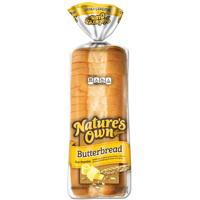
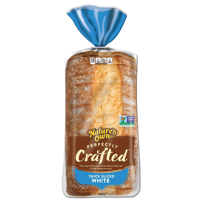


Nature's Own HONEY WHEAT ENRICHED BREAD
At a glance
Summary
This bread is ultra-processed, containing refined flour and soybean oil, which are associated with negative health impacts such as inflammation and nutrient deficiencies. While it includes some beneficial ingredients like whole wheat flour and honey, the presence of refined sugar and multiple additives further detracts from its nutritional profile. The processing level and ingredient quality result in a moderate score.
Key ingredients 7
Soybean oilVery Bad
Soybean oil is a seed oil high in omega-6 fatty acids, which can promote inflammation when consumed in excess. It is often highly processed and refined. Its high omega-6 content can disrupt the omega-3 to omega-6 balance in the diet.
Risks
High omega-6 content may promote inflammation and is linked to various chronic diseases.
Unbleached enriched flourBad
This flour is refined and lacks the nutritional benefits of whole grains. It is enriched with synthetic vitamins which may not be as beneficial as those from whole food sources. The refining process removes fiber and essential nutrients.
Risks
Consumption of refined flour can lead to spikes in blood sugar levels and lacks dietary fiber.
Benefits
Enrichment adds back some vitamins and minerals lost during processing, such as iron and B vitamins.
SugarBad
Refined sugar is a source of empty calories and can contribute to various health issues. It is highly processed and lacks nutritional value. Excessive intake is linked to obesity, diabetes, and heart disease.
Risks
Can lead to weight gain, insulin resistance, and increased risk of chronic diseases.
Soy lecithinBad
Soy lecithin is an emulsifier derived from soybeans, often used in processed foods. It is highly processed and may contain traces of pesticides. It is used to improve texture and extend shelf life.
Risks
May contain allergens and traces of pesticides from soybeans.
Benefits
Helps improve texture and consistency in food products.
SaltNeutral
Salt is used to enhance flavor and preserve food. It is a necessary nutrient but should be consumed in moderation. Excessive intake can lead to high blood pressure.
Risks
High sodium intake is associated with increased risk of hypertension and cardiovascular diseases.
Benefits
Essential for maintaining fluid balance and nerve function.
Whole wheat flourGood
Whole wheat flour is a good source of dietary fiber and essential nutrients. It retains the bran and germ, providing more vitamins and minerals compared to refined flour. It supports digestive health and provides sustained energy.
Benefits
Rich in fiber, which aids in digestion and helps maintain stable blood sugar levels.
HoneyGood
Honey is a natural sweetener with antioxidant properties. It contains trace amounts of vitamins and minerals and can provide a more natural sweetness compared to refined sugars. It may have antimicrobial properties.
Risks
Excessive consumption can contribute to high sugar intake and related health issues.
Benefits
Provides antioxidants and a natural source of sweetness.
Processing
Ultra-Processed Foods
Get the full breakdown in the Scout appTake Scout shopping
Scan any product to see lab results, healthy alternatives, and your personalized analysis.
Download on theApp Store GET IT ONGoogle PlayAmazon pricing & content
Amazon price as of . Product prices and availability are accurate as of the date/time indicated and are subject to change. Any price and availability information displayed on Amazon.com at the time of purchase will apply to the purchase of this product.
CERTAIN CONTENT THAT APPEARS ON THIS SITE COMES FROM AMAZON. THIS CONTENT IS PROVIDED “AS IS” AND IS SUBJECT TO CHANGE OR REMOVAL AT ANY TIME.