Ortega Flour Tortillas Kosher
Swap it for
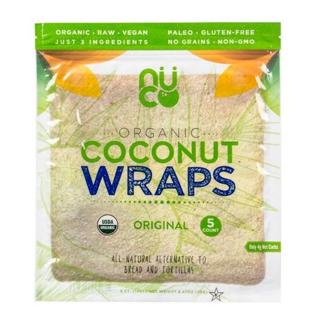
 Nuco Organic Coconut Wraps Original Nüco · 5 count View on Amazon · $7.04 See all Tortillas & Wraps, ranked
At a glance
Summary
This product is heavily processed and contains several harmful ingredients, including interesterified soybean oil and hydrogenated vegetable oil, which are associated with negative health impacts such as poor lipid profiles and increased cardiovascular risk. The presence of multiple additives and preservatives further contributes to its ultra-processed nature, limiting its nutritional quality and healthfulness.
Key ingredients 18
Interesterified soybean oilVery Bad
Interesterified soybean oil is a highly processed fat that can negatively impact heart health. It is used to improve texture and shelf life but may alter lipid profiles unfavorably. This oil is a seed oil, which is generally high in omega-6 fatty acids.
Risks
High omega-6 content may promote inflammation when consumed in excess.
Hydrogenated cottonseed oilVery Bad
Hydrogenated cottonseed oil is a highly processed fat that can negatively impact heart health. It contains trans fats, which are associated with increased risk of cardiovascular disease. This oil is a seed oil, which is generally high in omega-6 fatty acids.
Risks
Contains trans fats, which are linked to heart disease and inflammation.
Sodium aluminum phosphateBad
Sodium aluminum phosphate is used as a leavening agent in baked goods. It may contribute to aluminum intake, which is a concern for neurological health. Its use is primarily functional, with no nutritional benefits.
Risks
Excessive aluminum intake may be linked to neurological issues.
Mono- and diglyceridesBad
Mono- and diglycerides are emulsifiers used to improve texture and extend shelf life. They are derived from fats and may contain trans fats, which are harmful to heart health. Their use is primarily functional, with no nutritional benefits.
Risks
May contain trans fats, which are linked to heart disease.
Potassium sorbateBad
Synthetic preservative — flagged in daily-use products.
See more about Potassium sorbate →Sodium metabisulfiteBad
Sodium metabisulfite is a preservative used to prevent oxidation and spoilage. It can cause allergic reactions in sensitive individuals, particularly those with asthma. Its use is primarily functional, with no nutritional benefits.
Risks
May cause allergic reactions, especially in individuals with asthma.
Enriched bleached wheat flourNeutral
Enriched bleached wheat flour provides essential vitamins and minerals like niacin and iron. However, the bleaching process can reduce the nutritional quality of the flour. It is a common ingredient in processed foods, offering no significant health benefits.
Risks
The bleaching process may reduce the nutritional quality of the flour.
Benefits
Provides essential vitamins and minerals such as niacin and iron.
WaterNeutral
Water is a neutral ingredient used as a solvent and to provide moisture. It does not contribute any nutritional value. It is essential for the texture and consistency of the product.
See more about Water →Potassium bicarbonateNeutral
Potassium bicarbonate is used as a leavening agent and pH regulator. It is generally recognized as safe and does not pose significant health risks. It contributes to the texture of baked goods.
See more about Potassium bicarbonate →Sodium bicarbonateNeutral
Sodium bicarbonate, or baking soda, is used as a leavening agent. It is safe for consumption in moderate amounts and helps in the rising process of baked goods. It does not provide any nutritional benefits.
See more about Sodium bicarbonate →Corn starchNeutral
Corn starch is used as a thickening agent and stabilizer. It is a refined carbohydrate with minimal nutritional value. It is commonly used in processed foods for texture enhancement.
See more about Corn starch →Calcium sulfateNeutral
Calcium sulfate is used as a firming agent and to regulate acidity. It is generally recognized as safe and does not pose significant health risks. It does not provide any nutritional benefits.
See more about Calcium sulfate →Ammonium glutamateNeutral
Ammonium glutamate is used as a flavor enhancer. It is similar to monosodium glutamate (MSG) but with different properties. It is generally recognized as safe in moderate amounts.
See more about Ammonium glutamate →EnzymesNeutral
Enzymes are used to improve dough properties and shelf life. They are naturally occurring proteins that catalyze biochemical reactions. They are generally recognized as safe and do not pose health risks.
See more about Enzymes →SaltNeutral
Salt is used for flavor enhancement and preservation. It is a common ingredient in processed foods and is necessary for taste. Excessive consumption can lead to health issues like hypertension.
Risks
Excessive salt intake can lead to hypertension and cardiovascular issues.
CarboxymethylcelluloseNeutral
Carboxymethylcellulose is a thickening agent and stabilizer. It is a chemically modified cellulose and is generally recognized as safe. It does not provide any nutritional benefits.
See more about Carboxymethylcellulose →Calcium propionateNeutral
Calcium propionate is a preservative used to prevent mold growth. It is commonly used in baked goods and is generally recognized as safe. It does not provide any nutritional benefits.
See more about Calcium propionate →Fumaric acidNeutral
Fumaric acid is used as an acidity regulator and flavor enhancer. It is naturally occurring in some fruits and is generally recognized as safe. It does not provide any nutritional benefits.
See more about Fumaric acid →Processing
Ultra-Processed Foods
Get the full breakdown in the Scout appTake Scout shopping
Scan any product to see lab results, healthy alternatives, and your personalized analysis.
Are you Ortega? Fix an error Get the badge Get tested
Amazon pricing & content
Amazon price for Nuco Organic Coconut Wraps Original as of . Product prices and availability are accurate as of the date/time indicated and are subject to change. Any price and availability information displayed on Amazon.com at the time of purchase will apply to the purchase of this product.
CERTAIN CONTENT THAT APPEARS ON THIS SITE COMES FROM AMAZON. THIS CONTENT IS PROVIDED “AS IS” AND IS SUBJECT TO CHANGE OR REMOVAL AT ANY TIME.