
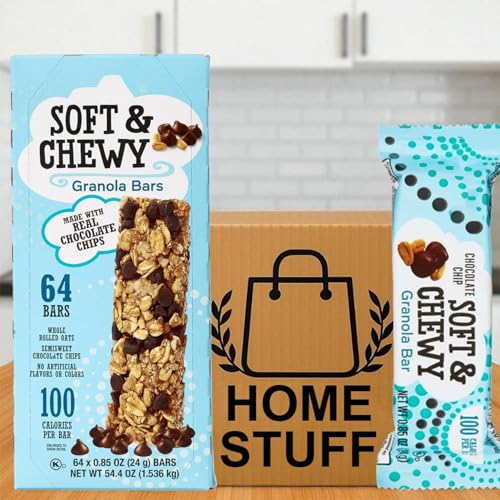


Soft & Chewy Granola Bar
At a glance
Summary
This granola bar is heavily processed and contains multiple harmful ingredients, including canola oil, corn syrup, and refined sugars, which contribute to its high sugar content and potential health risks. The presence of these industrial ingredients, combined with its ultra-processed nature, significantly lowers its health score. Despite some beneficial components like ascorbic acid and rosemary extract, the overall ingredient quality and processing level are concerning.
Key ingredients 16
Canola OilVery Bad
Canola oil is a seed oil high in omega-6 fatty acids, which can promote inflammation. It is often highly processed and refined, which can degrade its nutritional quality. Its use in this product is concerning due to potential health impacts.
Risks
High omega-6 content may promote inflammation when consumed in excess.
SugarBad
Refined sugar is a high-calorie ingredient with no essential nutrients. It can contribute to weight gain and increase the risk of chronic diseases when consumed in excess. In this product, it is used as a sweetener, adding to the overall sugar content.
Risks
Excessive consumption can lead to obesity, type 2 diabetes, and heart disease.
Soy LecithinBad
Soy lecithin is an emulsifier derived from soybeans, often used to improve texture and shelf life. It is a processed ingredient and may contain traces of soy allergens. Its use in this product is primarily functional.
Risks
May contain soy allergens, which can be a concern for those with soy allergies.
Corn SyrupBad
Corn syrup is a sweetener made from corn starch and is high in glucose. It is highly processed and contributes to the overall sugar content of the product. Its use is concerning due to potential health impacts.
Risks
High sugar content can lead to obesity and metabolic disorders.
FructoseBad
Fructose is a simple sugar that can contribute to insulin resistance and metabolic issues when consumed in excess. It is often used to enhance sweetness in processed foods. Its presence in this product adds to the overall sugar content.
Risks
Excessive intake can lead to metabolic syndrome and liver issues.
Natural FlavorBad
Natural flavor is a catch-all term for flavoring agents derived from natural sources. It is highly processed and lacks transparency regarding its specific components. Its use in this product is primarily for flavor enhancement.
Risks
Lack of transparency can be concerning for those with allergies or sensitivities.
Whole Rolled OatsNeutral
Whole rolled oats are a source of dietary fiber and provide a slow release of energy. They are minimally processed and retain most of their nutrients. However, in this product, they are overshadowed by other processed ingredients.
Benefits
Rich in dietary fiber, which can aid in digestion and provide a feeling of fullness.
MolassesNeutral
Molasses is a byproduct of sugar refining and contains some vitamins and minerals. It is less processed than refined sugar but still contributes to the overall sugar content. Its presence in this product is primarily for flavor.
Risks
Excessive consumption can contribute to high sugar intake.
Benefits
Contains small amounts of minerals like iron and calcium.
Sodium BicarbonateNeutral
Sodium bicarbonate is a common leavening agent used to help baked goods rise. It is generally recognized as safe and used in small quantities. In this product, it serves a functional purpose without significant health impacts.
See more about Sodium Bicarbonate →Semisweet ChocolateNeutral
Semisweet chocolate contains cocoa solids and sugar, providing flavor and some antioxidants. However, it also adds to the sugar content of the product. Its presence is primarily for taste enhancement.
Risks
Contains sugar, which can contribute to excessive calorie intake.
Benefits
Contains antioxidants from cocoa solids, which may have health benefits.
Crisp RiceNeutral
Crisp rice is made from rice flour and provides texture to the product. It is a processed ingredient with minimal nutritional value. Its role in this product is primarily for texture and volume.
See more about Crisp Rice →Whey PowderNeutral
Whey powder is a dairy-derived protein source that can support muscle maintenance. It is a processed ingredient and may contain lactose, which can be an issue for those with lactose intolerance. In this product, it contributes minimally to protein content.
Risks
May cause digestive issues for those with lactose intolerance.
Benefits
Provides a source of protein, which is essential for muscle repair and growth.
Dried Unsweetened CoconutNeutral
Dried unsweetened coconut provides texture and flavor, with some healthy fats and fiber. It is minimally processed and retains some nutritional value. In this product, it adds a natural flavor component.
Benefits
Contains healthy fats and fiber, which can support heart health and digestion.
SaltNeutral
Salt is used to enhance flavor and preserve food. It is a common ingredient in processed foods and is generally recognized as safe in moderation. In this product, it serves a functional purpose.
Risks
Excessive sodium intake can lead to high blood pressure and cardiovascular issues.
Ascorbic AcidGood
Vitamin C — beneficial even when serving as a preservative.
Benefits
Acts as an antioxidant and can help preserve the product's freshness.
Rosemary ExtractGood
Beneficial ingredient — whole-food or functional value in this product class.
Benefits
Contains antioxidants that can help preserve the product and provide some health benefits.
Processing
Ultra-Processed Foods
Get the full breakdown in the Scout appTake Scout shopping
Scan any product to see lab results, healthy alternatives, and your personalized analysis.
Download on theApp Store GET IT ONGoogle PlayAmazon pricing & content
Amazon price as of . Product prices and availability are accurate as of the date/time indicated and are subject to change. Any price and availability information displayed on Amazon.com at the time of purchase will apply to the purchase of this product.
CERTAIN CONTENT THAT APPEARS ON THIS SITE COMES FROM AMAZON. THIS CONTENT IS PROVIDED “AS IS” AND IS SUBJECT TO CHANGE OR REMOVAL AT ANY TIME.