

At a glance
Summary
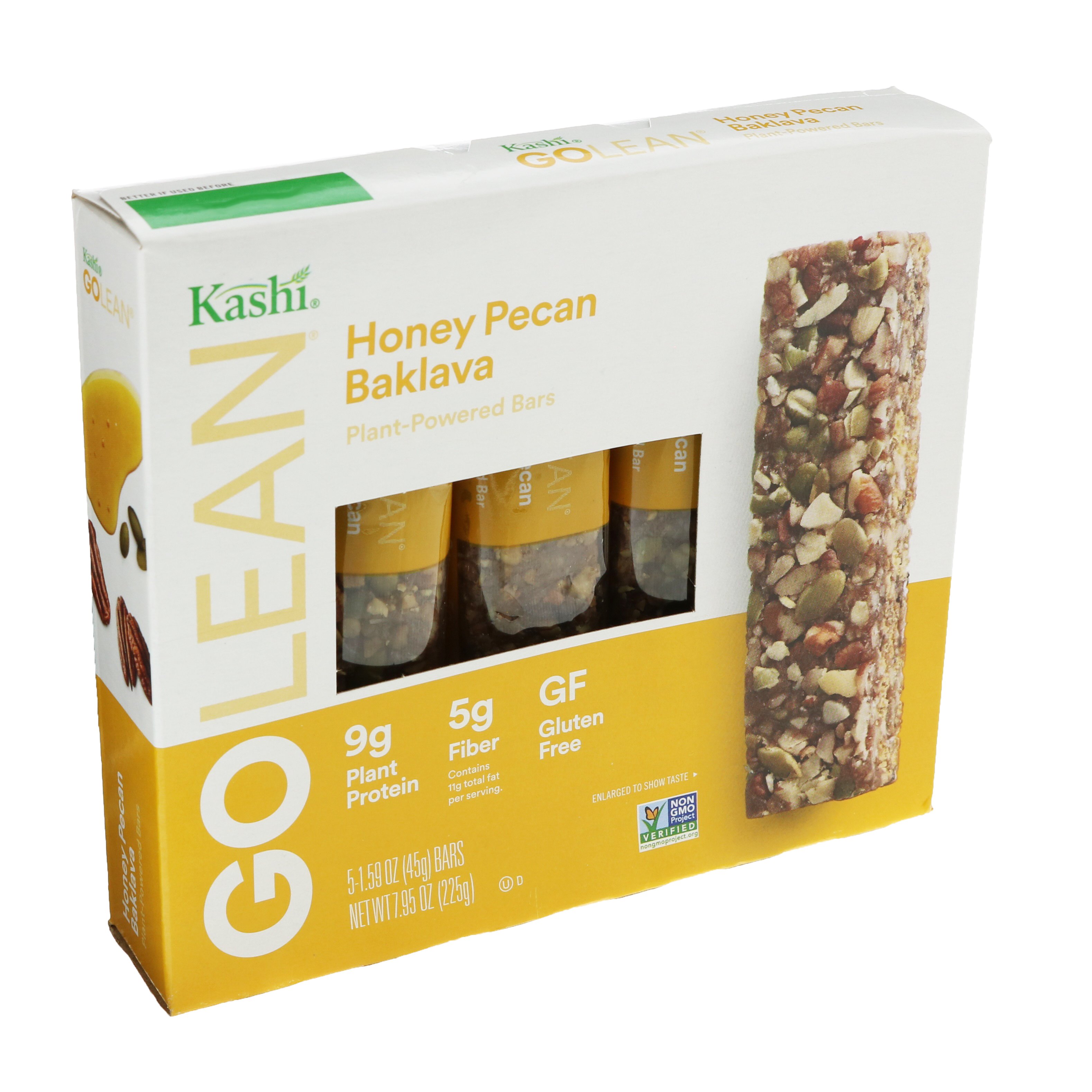
This product contains a mix of beneficial ingredients like whole grain oats, nuts, and seeds, which provide healthy fats, fiber, and protein. However, it is classified as ultra-processed due to the inclusion of ingredients like invert cane syrup and vegetable glycerin, and the presence of sunflower oil, which is a highly processed seed oil. The processing level and the presence of additives limit its overall health score despite the presence of some nutritious components.
Key ingredients 25
Whole grain oatsVery Good
Whole grain oats are a rich source of fiber, particularly beta-glucan, which supports heart health. They are minimally processed, retaining their nutrient profile. Oats can help regulate blood sugar levels and improve digestive health.
Benefits
Supports heart health and digestion due to high fiber content.
Chia seedsVery Good
Chia seeds are a rich source of omega-3 fatty acids, fiber, and antioxidants. They are minimally processed and retain their natural nutrients. Their consumption supports heart health, digestion, and provides anti-inflammatory benefits.
Benefits
Rich in omega-3 fatty acids and fiber, supporting heart health and digestion.
PecansGood
Pecans are a source of healthy fats, fiber, and antioxidants. They are minimally processed and retain their natural nutrients. Their consumption supports heart health due to their monounsaturated fat content.
Risks
Potential allergen for individuals with nut allergies.
Benefits
Rich in monounsaturated fats and antioxidants, supporting heart health and reducing inflammation.
HoneyGood
Honey is a natural sweetener with antioxidant properties. It is less processed than refined sugars and retains some beneficial compounds. Its glycemic impact is lower than that of refined sugars.
Risks
High in sugars, which can contribute to increased blood sugar levels if consumed in excess.
Benefits
Contains antioxidants and has a lower glycemic index compared to refined sugars.
Pumpkin seedsGood
Pumpkin seeds are nutrient-dense, providing healthy fats, protein, and minerals like magnesium and zinc. They are minimally processed and retain their natural nutrients. Their consumption supports heart health and immune function.
Risks
Potential allergen for individuals with seed allergies.
Benefits
Rich in healthy fats, protein, and essential minerals, supporting overall health.
CashewsGood
Cashews are a source of healthy fats, protein, and essential minerals like magnesium and copper. They are minimally processed and retain their natural nutrients. Their consumption supports heart health and provides energy.
Risks
Potential allergen for individuals with nut allergies.
Benefits
Rich in healthy fats and essential minerals, supporting heart health and energy levels.
Sunflower seedsGood
Sunflower seeds are rich in healthy fats, protein, and vitamin E. They are minimally processed and retain their natural nutrients. Their consumption supports heart health and provides antioxidant benefits.
Risks
Potential allergen for individuals with seed allergies.
Benefits
Rich in vitamin E and healthy fats, supporting heart health and providing antioxidant benefits.
Cashew butterGood
Cashew butter is made from ground cashews, providing healthy fats and protein. It is minimally processed, retaining the nutrients of whole cashews. Its consumption supports heart health and provides a creamy texture to foods.
Risks
Potential allergen for individuals with nut allergies.
Benefits
Provides healthy fats and protein, supporting heart health and energy levels.
DatesGood
Dates are a natural source of sugars, fiber, and essential minerals like potassium. They are minimally processed and retain their natural nutrients. Their consumption provides natural sweetness and energy.
Risks
High in natural sugars, which can contribute to increased blood sugar levels if consumed in excess.
Benefits
Rich in natural sugars and fiber, providing energy and supporting digestive health.
BuckwheatGood
Buckwheat is a whole grain rich in fiber, protein, and essential minerals. It is minimally processed and retains its natural nutrients. Its consumption supports heart health and provides a gluten-free grain option.
Benefits
Rich in fiber and protein, supporting heart health and providing a gluten-free grain option.
Sesame seedsGood
Sesame seeds are rich in healthy fats, protein, and minerals like calcium and magnesium. They are minimally processed and retain their natural nutrients. Their consumption supports bone health and provides antioxidant benefits.
Risks
Potential allergen for individuals with seed allergies.
Benefits
Rich in healthy fats and minerals, supporting bone health and providing antioxidant benefits.
AlmondsGood
Almonds are a source of healthy fats, protein, and vitamin E. They are minimally processed and retain their natural nutrients. Their consumption supports heart health and provides antioxidant benefits.
Risks
Potential allergen for individuals with nut allergies.
Benefits
Rich in healthy fats and vitamin E, supporting heart health and providing antioxidant benefits.
Vanilla extractGood
Beneficial ingredient — whole-food or functional value in this product class.
Benefits
Provides natural flavoring with some antioxidant properties.
CinnamonGood
Cinnamon is a spice with antioxidant and anti-inflammatory properties. It is minimally processed and retains its natural nutrients. Its consumption may help regulate blood sugar levels.
Benefits
Rich in antioxidants and may help regulate blood sugar levels.
Rosemary extractGood
Beneficial ingredient — whole-food or functional value in this product class.
Benefits
Acts as a natural preservative with antioxidant properties.
Pea crispsNeutral
Pea crisps are made from pea protein and rice starch, providing a plant-based protein source. They are processed to create a crunchy texture, which may reduce some nutrient bioavailability. While they offer protein, they lack the complete amino acid profile found in animal proteins.
Risks
May cause digestive discomfort in some individuals due to high fiber content.
Benefits
Provides a plant-based protein source that is suitable for vegetarians and vegans.
Sunflower butterNeutral
Sunflower butter is made from ground sunflower seeds, providing healthy fats and protein. It is minimally processed, retaining the nutrients of whole seeds. Its consumption provides a nut-free alternative to traditional nut butters.
Risks
Potential allergen for individuals with seed allergies.
Benefits
Provides healthy fats and protein, offering a nut-free alternative to nut butters.
Invert cane syrupNeutral
Invert cane syrup is a sweetener made by splitting sucrose into glucose and fructose. It is more processed than raw cane sugar but less so than high fructose corn syrup. It provides sweetness without significant nutritional benefits.
Risks
High in sugars, which can contribute to increased blood sugar levels if consumed in excess.
Benefits
Provides a sweetening option with a smoother texture than regular sugar.
Vegetable glycerinNeutral
Vegetable glycerin is a sugar alcohol used as a sweetener and moisture-retaining agent. It is derived from plant oils and is generally recognized as safe. It provides sweetness with a lower glycemic impact than sugar.
Risks
Excessive consumption may cause digestive discomfort.
Benefits
Provides sweetness with a lower glycemic impact than sugar.
Tapioca starchNeutral
Tapioca starch is a carbohydrate extracted from cassava root, used as a thickening agent. It is highly processed and provides no significant nutritional benefits. It is gluten-free, making it suitable for those with gluten sensitivities.
Benefits
Provides a gluten-free thickening option for various foods.
Acacia gumNeutral
Acacia gum is a natural gum used as a stabilizer and thickener. It is derived from the sap of acacia trees and is minimally processed. It provides fiber and is generally recognized as safe.
Risks
Excessive consumption may cause digestive discomfort.
Benefits
Provides dietary fiber and acts as a natural stabilizer.
MolassesNeutral
Molasses is a byproduct of sugar refining, providing some minerals like iron and calcium. It is less processed than refined sugar but still contributes to sugar intake. It offers a distinct flavor and some nutritional benefits compared to refined sugars.
Risks
High in sugars, which can contribute to increased blood sugar levels if consumed in excess.
Benefits
Provides some minerals and a distinct flavor compared to refined sugars.
SaltNeutral
Salt is used to enhance flavor and preserve food. It is minimally processed but should be consumed in moderation. Excessive intake can lead to health issues such as hypertension.
Risks
Excessive consumption can lead to hypertension and other cardiovascular issues.
Benefits
Enhances flavor and acts as a preservative.
Tapioca syrupBad
Processed additive flagged under Scout's ingredient doctrine.
Risks
High in sugars, which can contribute to increased blood sugar levels if consumed in excess.
Benefits
Provides a natural alternative to more processed sweeteners.
Sunflower oilVery Bad
Sunflower oil is a seed oil high in omega-6 fatty acids, which can promote inflammation. It is highly processed and lacks the beneficial compounds found in less processed oils. Its consumption should be limited due to potential health concerns.
Risks
High omega-6 content may promote inflammation when consumed in excess.
Processing
Ultra-Processed Foods
Get the full breakdown in the Scout appTake Scout shopping
Scan any product to see lab results, healthy alternatives, and your personalized analysis.
Download on theApp Store GET IT ONGoogle Play