
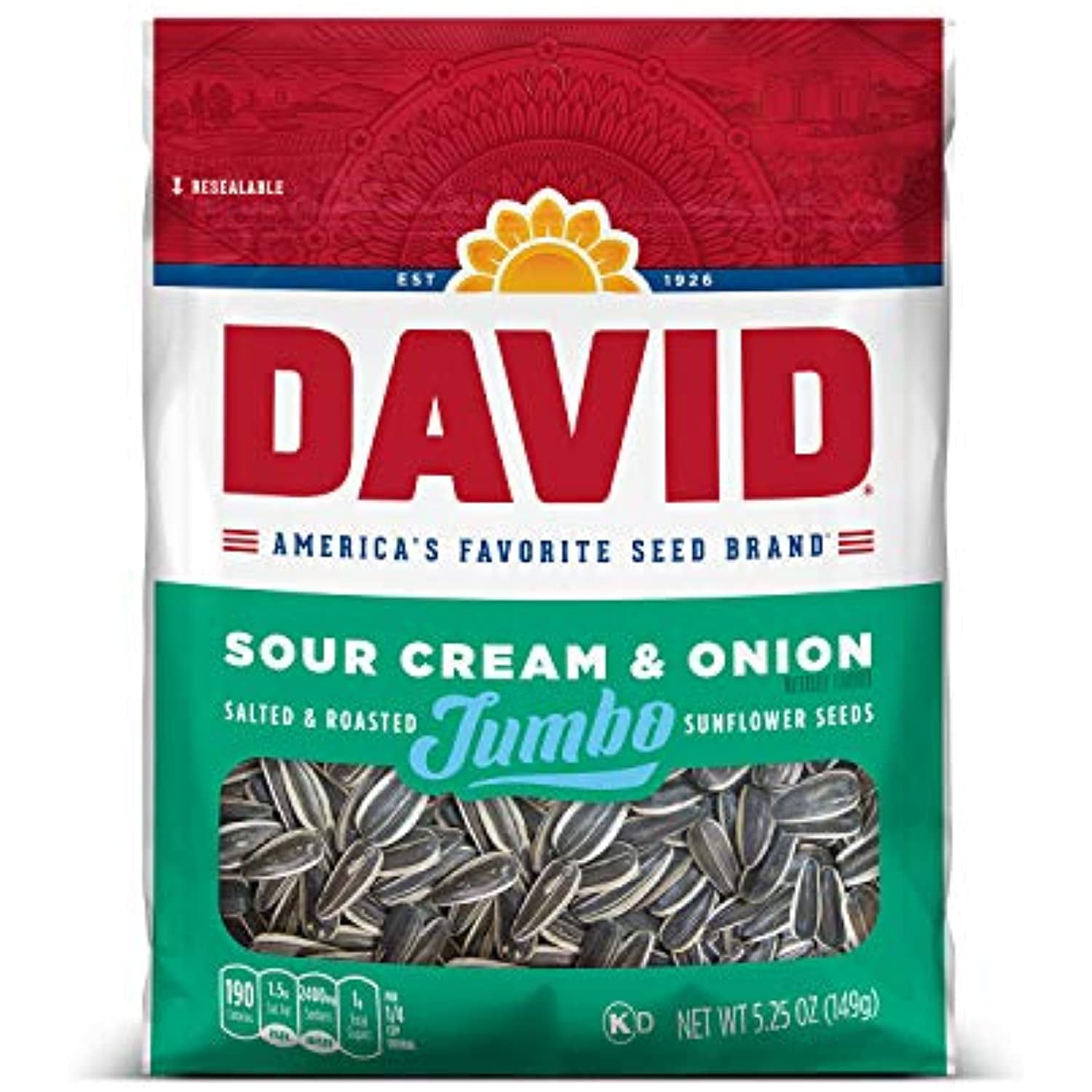


DAVID Simply Seeds Lightly Salted With Sour Cream And Onion, 4.25 OZ
Analysis updated May 2026 · How Scout scores
At a glance
Summary
This product contains sunflower seeds, which are a beneficial ingredient due to their healthy fats and nutrients. However, the presence of high oleic canola oil, a heavily processed seed oil, and added sugar detracts from its nutritional quality. The inclusion of natural flavors, which are processed and lack transparency, further impacts the overall healthiness of the product, and its processing level limits its score potential.
Key ingredients 7
Sunflower SeedsGood
Sunflower seeds are a good source of healthy fats, protein, and essential nutrients like vitamin E. They are minimally processed and provide beneficial antioxidants. Their nutrient profile supports heart health and overall wellness.
Risks
Potential allergen for some individuals and may contribute to calorie intake if consumed in excess.
Benefits
Rich in healthy fats, protein, and antioxidants, supporting heart health and providing essential nutrients.
SaltNeutral
Salt is used as a flavor enhancer and preservative in many foods. It is minimally processed but should be consumed in moderation to avoid health issues. Excessive salt intake can lead to hypertension and cardiovascular problems.
Risks
Excessive consumption can lead to high blood pressure and cardiovascular issues.
Benefits
Enhances flavor and acts as a preservative in foods.
Onion PowderNeutral
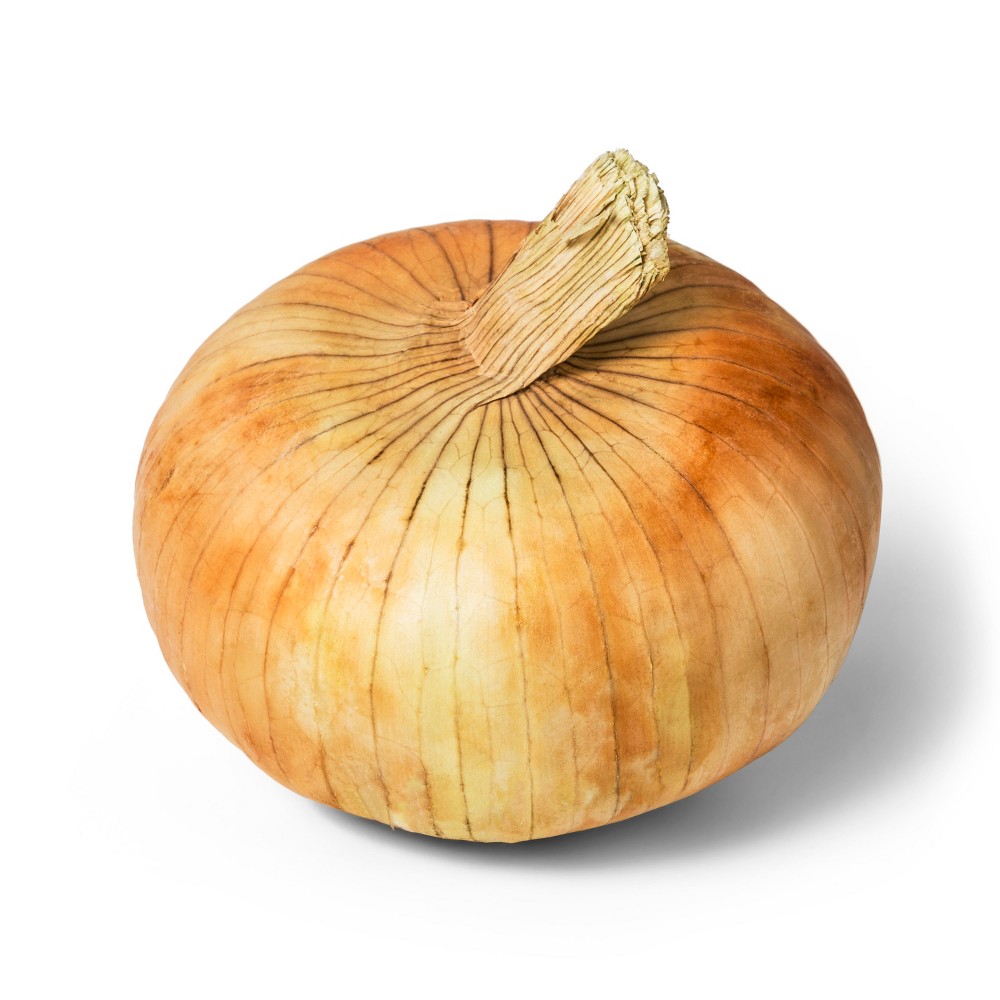
Onion powder is a dehydrated form of onion used for flavoring. It retains some of the nutritional benefits of fresh onions, such as antioxidants. However, the processing may reduce its overall nutrient content.
Benefits
Provides flavor and some antioxidants similar to fresh onions.
Granulated ParsleyNeutral
Granulated parsley is used for flavor and may provide some vitamins and antioxidants. It is minimally processed, retaining some nutritional properties of fresh parsley. However, the granulation process may reduce its overall nutrient density.
Benefits
Provides flavor and some antioxidants, similar to fresh parsley.
SugarBad
Refined sugar is a source of empty calories and can contribute to weight gain and metabolic issues. It is highly processed and lacks nutritional benefits. Excessive consumption is linked to various health problems, including diabetes and obesity.
Risks
Linked to weight gain, diabetes, and other metabolic disorders when consumed in excess.
Natural FlavorBad
Natural flavors are often used to enhance taste but can be highly processed and contain undisclosed additives. They lack transparency, making it difficult to assess their health impact. Compared to whole food ingredients, they offer no nutritional benefits.
Risks
May contain undisclosed additives and allergens, lacking transparency.
High Oleic Canola OilVery Bad
High oleic canola oil is a seed oil with a high omega-6 fatty acid content, which can promote inflammation. It is heavily processed and often refined, which may reduce its nutritional quality. Compared to healthier oils like olive or avocado oil, it is less beneficial.
Risks
High omega-6 content may promote inflammation when consumed in excess.
Processing
Processed Foods
Get the full breakdown in the Scout appTake Scout shopping
Scan any product to see lab results, healthy alternatives, and your personalized analysis.
Download on theApp Store GET IT ONGoogle Play