


At a glance
Summary
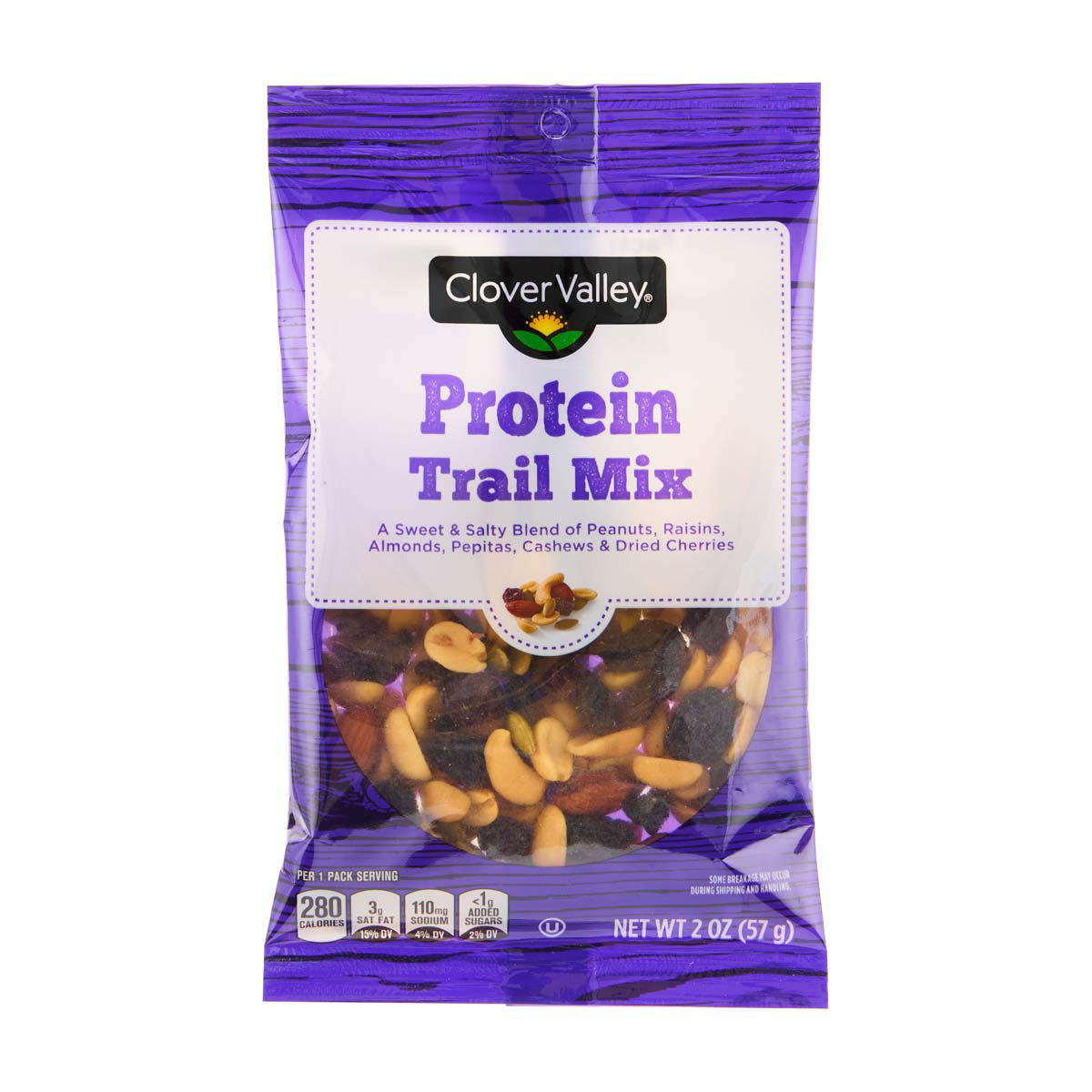
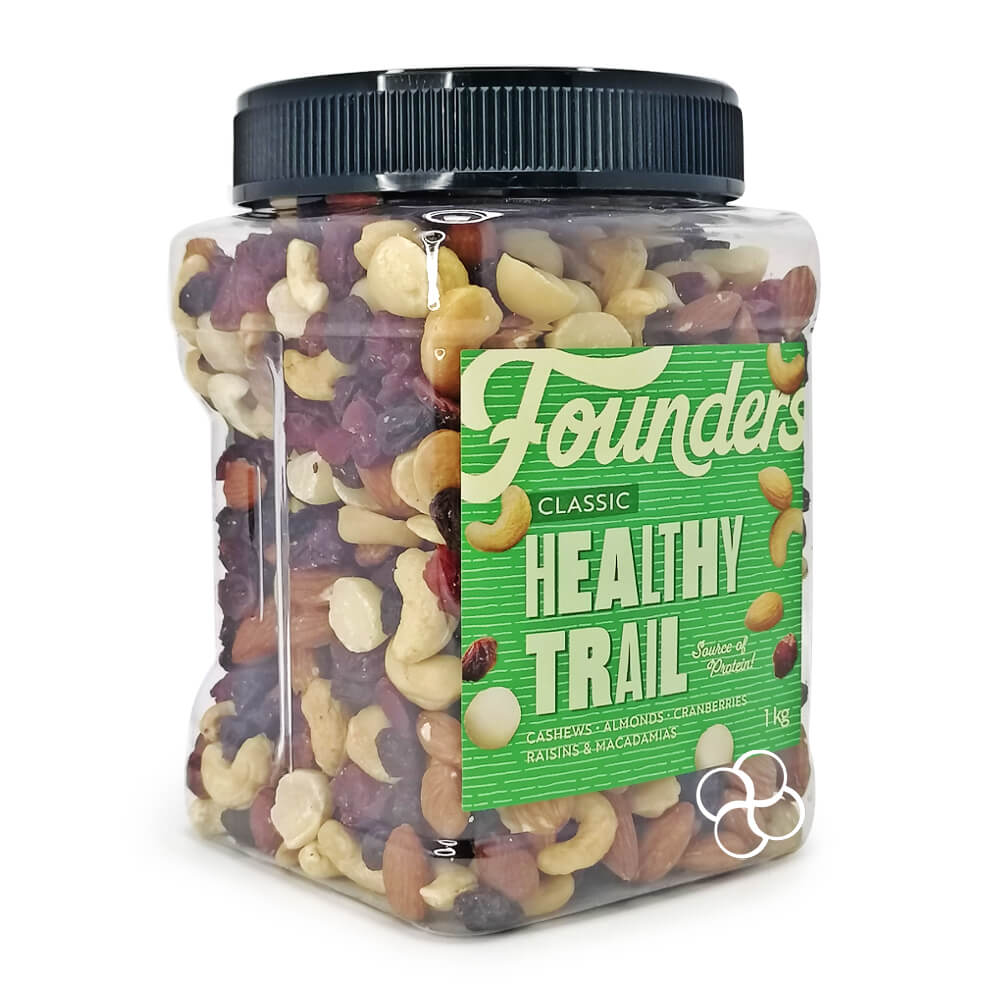
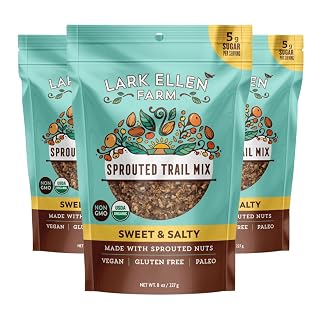
This trail mix contains a variety of nutrient-dense ingredients such as soybeans, pepitas, fava beans, chickpeas, and almonds, which provide plant-based protein, fiber, and essential nutrients. However, the presence of sunflower oil and vegetable oil, which are high in omega-6 fatty acids and often refined, raises concerns due to their potential inflammatory effects. The product's processing level further limits its score potential, despite the beneficial ingredients.
Key ingredients 9
SoybeansGood
Soybeans are a good source of plant-based protein and essential amino acids. They contain isoflavones, which have been linked to various health benefits. The whole form of soybeans provides fiber and nutrients without the processing concerns of soy protein isolates.
Risks
Some individuals may have soy allergies or sensitivities.
Benefits
Rich in protein and fiber, supporting muscle health and digestion. Contains isoflavones that may offer heart health benefits.
PepitasGood
Pepitas, or pumpkin seeds, are rich in magnesium, zinc, and healthy fats. They provide antioxidants and are a good source of plant-based protein. Their nutrient profile supports heart health and immune function.
Benefits
High in magnesium and zinc, supporting bone health and immune function. Contains healthy fats that promote cardiovascular health.
Fava beansGood
Fava beans are a good source of plant-based protein and fiber. They contain vitamins and minerals such as folate and iron. Their nutrient density supports energy levels and digestive health.
Risks
Individuals with G6PD deficiency should avoid fava beans due to potential hemolytic anemia risk.
Benefits
Rich in protein and fiber, aiding in muscle maintenance and digestion. Provides essential nutrients like folate and iron.
ChickpeasGood
Chickpeas are high in protein and fiber, supporting satiety and digestive health. They contain essential vitamins and minerals, including folate and manganese. Their low glycemic index helps in blood sugar management.
Benefits
Provides protein and fiber, promoting fullness and digestive health. Contains nutrients that support metabolic functions.
AlmondsGood
Almonds are rich in healthy monounsaturated fats, vitamin E, and magnesium. They support heart health and provide antioxidant benefits. Their nutrient profile aids in maintaining healthy cholesterol levels.
Benefits
High in healthy fats and vitamin E, supporting cardiovascular health and providing antioxidant protection.
Dried sweetened cranberriesNeutral
Dried sweetened cranberries provide some antioxidants but are high in added sugars. The sugar content can negate some of the health benefits of cranberries. They are often used for flavor and texture in trail mixes.
Risks
High sugar content may contribute to increased calorie intake and affect blood sugar levels.
Benefits
Contains antioxidants that may support urinary tract health, though benefits are limited by added sugars.
SaltNeutral
Salt is used for flavor enhancement and preservation. It is a source of sodium, which is essential for fluid balance and nerve function. However, excessive intake can lead to hypertension and cardiovascular issues.
Risks
Excessive sodium intake can contribute to high blood pressure and cardiovascular disease.
Benefits
Provides essential sodium for maintaining fluid balance and nerve function.
Sunflower oilVery Bad
Sunflower oil is a seed oil high in omega-6 fatty acids, which can promote inflammation when consumed in excess. It is often refined, which can strip away beneficial nutrients. The high omega-6 content is a concern for balanced fatty acid intake.
Risks
High omega-6 content may promote inflammation when consumed in excess.
Vegetable oilVery Bad
Vegetable oil, often a blend including cottonseed oil, is high in omega-6 fatty acids and is typically refined. The refining process can introduce trans fats and remove beneficial nutrients. Its consumption is linked to potential inflammatory effects.
Risks
High omega-6 content and potential trans fats may promote inflammation and negatively impact heart health.
Processing
Processed Foods
Get the full breakdown in the Scout appTake Scout shopping
Scan any product to see lab results, healthy alternatives, and your personalized analysis.
Download on theApp Store GET IT ONGoogle Play