
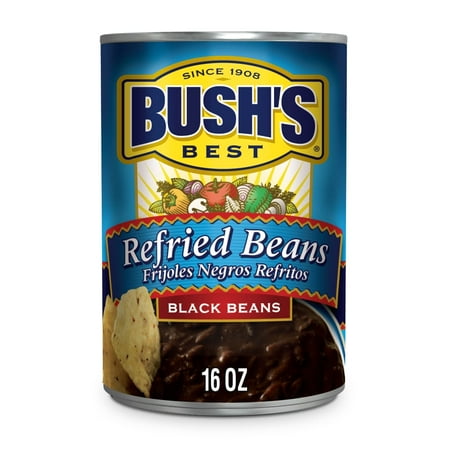

BUSH'S Refried Black Beans 16 oz
Analysis updated May 2026 · How Scout scores
At a glance
Summary
This product contains beneficial ingredients like cooked black beans, which are a good source of protein and fiber. However, the presence of lard and partially hydrogenated lard introduces trans fats, which are linked to increased heart disease risk. The product is moderately processed, which limits its score despite having some nutritious components.
Key ingredients 8
Cooked black beansGood
Cooked black beans are a nutritious source of plant-based protein and fiber. They are minimally processed and retain most of their natural nutrients. Black beans are known for their ability to support digestive health and provide sustained energy.
Benefits
Rich in protein and fiber, supporting digestive health and providing essential nutrients like iron and magnesium.
SpicesGood
Whole-food seasonings, antioxidant-bearing.
Benefits
May provide antioxidants and enhance flavor, depending on the specific spices used.
Garlic powderGood
Concentrated whole-food seasoning.
Benefits
Adds flavor and may provide some health benefits due to its antioxidant properties.
WaterNeutral
Water is used as a solvent and to adjust the consistency of the product. It is a neutral ingredient with no direct nutritional impact. Water is essential for hydration but does not contribute additional nutrients in this context.
See more about Water →SaltNeutral
Salt is used to enhance flavor and preserve the product. It is a common ingredient in processed foods and contributes to sodium intake. While necessary in small amounts, excessive consumption can lead to health issues.
Risks
High sodium intake can contribute to hypertension and cardiovascular disease.
Benefits
Enhances flavor and acts as a preservative, but should be consumed in moderation.
Distilled white vinegarNeutral
Distilled white vinegar is used for flavoring and as a preservative. It is a low-calorie ingredient with no significant nutritional impact. Vinegar can aid in food preservation and add acidity to balance flavors.
Benefits
Adds flavor and acts as a preservative, with potential antimicrobial properties.
Onion powderNeutral
Onion powder is used for flavoring and is a dehydrated form of onion. It retains some of the beneficial compounds found in fresh onions, such as antioxidants. However, the processing reduces its overall nutritional value compared to fresh onions.
Benefits
Provides flavor and some antioxidants, though less than fresh onions.
Lard and partially hydrogenated lardBad
Lard is a source of saturated fat, which can be part of a balanced diet in moderation. However, partially hydrogenated lard contains trans fats, which are associated with increased risk of heart disease. The presence of trans fats makes this ingredient less desirable from a health perspective.
Risks
Trans fats in partially hydrogenated lard can increase the risk of heart disease and negatively impact cholesterol levels.
Benefits
Lard provides flavor and can be a source of energy, but its benefits are outweighed by the presence of trans fats.
Processing
Processed Foods
Get the full breakdown in the Scout appTake Scout shopping
Scan any product to see lab results, healthy alternatives, and your personalized analysis.
Download on theApp Store GET IT ONGoogle PlayAmazon pricing & content
Amazon price as of . Product prices and availability are accurate as of the date/time indicated and are subject to change. Any price and availability information displayed on Amazon.com at the time of purchase will apply to the purchase of this product.
CERTAIN CONTENT THAT APPEARS ON THIS SITE COMES FROM AMAZON. THIS CONTENT IS PROVIDED “AS IS” AND IS SUBJECT TO CHANGE OR REMOVAL AT ANY TIME.