




At a glance
Summary
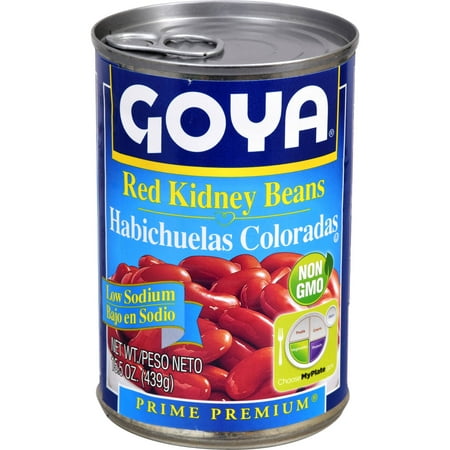
This product contains red kidney beans, which are a nutritious source of protein and fiber, but it also includes synthetic additives like disodium EDTA and calcium chloride. These additives are used for color retention and firmness, which increases the processing level. While the beans themselves are beneficial, the presence of these additives and the processing involved slightly reduce the overall health score.
Key ingredients 5
Red Kidney BeansVery Good
Red kidney beans are a rich source of protein and dietary fiber, supporting digestive health and providing essential nutrients. They are minimally processed and retain their natural nutritional profile. Compared to other legumes, they offer a balanced nutrient composition with low fat content.
Benefits
Rich in protein and fiber, supporting muscle health and digestion. Contains essential vitamins and minerals like folate and iron.
SaltNeutral
Salt is used to enhance flavor and preserve food. It is a common additive in processed foods but does not provide significant nutritional benefits. Excessive consumption can lead to health issues such as hypertension.
Risks
High sodium intake can contribute to hypertension and cardiovascular diseases.
Potassium ChlorideNeutral
Potassium chloride is often used as a salt substitute to reduce sodium content in foods. It helps maintain electrolyte balance in the body. However, excessive intake can lead to hyperkalemia, especially in individuals with kidney issues.
Risks
Excessive intake may cause hyperkalemia, particularly in individuals with kidney problems.
Benefits
Helps maintain electrolyte balance and supports normal muscle function.
Calcium ChlorideNeutral
Calcium chloride is used as a firming agent in canned foods to maintain texture. It is generally recognized as safe but does not contribute significant nutritional value. It can cause gastrointestinal discomfort if consumed in large amounts.
Risks
May cause gastrointestinal discomfort if consumed in large quantities.
Disodium EDTABad
Disodium EDTA is a synthetic preservative used to promote color retention in foods. It is highly processed and can cause adverse reactions in sensitive individuals. Compared to natural preservatives, it offers no nutritional benefits.
Risks
May cause allergic reactions or gastrointestinal issues in sensitive individuals.
Processing
Processed Foods
Get the full breakdown in the Scout appTake Scout shopping
Scan any product to see lab results, healthy alternatives, and your personalized analysis.
Download on theApp Store GET IT ONGoogle Play