
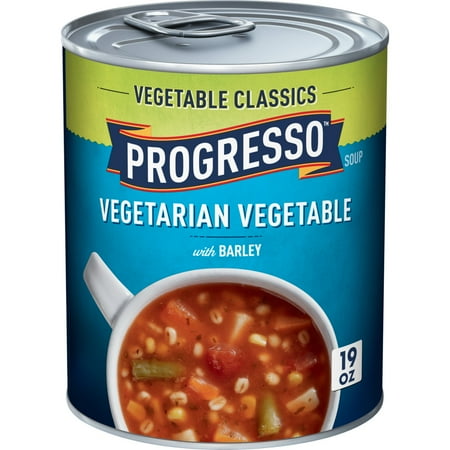



Progresso Vegetable Classics Vegetarian Vegetable with Barley Soup
Analysis updated May 2026 · How Scout scores
At a glance
Summary
This soup contains a variety of beneficial ingredients like green beans, carrots, and barley, which are minimally processed and contribute to its nutritional value. However, the presence of processed ingredients such as hydrolyzed corn protein, bleached wheat flour, and added sugar, along with its high processing level, significantly impacts its healthiness. The use of natural flavors and citric acid further indicates a reliance on processed components, which limits its overall score.
Key ingredients 20
Green BeansVery Good
Green beans are a nutritious vegetable rich in vitamins and fiber. They are minimally processed, retaining their natural nutrients. They contribute to the overall nutritional profile of the soup.
Benefits
High in fiber, which supports digestive health. Provides vitamins A, C, and K, which are essential for various bodily functions.
CarrotsVery Good
Carrots are a root vegetable known for their high beta-carotene content. They are minimally processed, preserving their nutritional benefits. They add natural sweetness and color to the soup.
Benefits
Rich in beta-carotene, which the body converts to vitamin A, supporting vision and immune health. Provides dietary fiber and antioxidants.
BarleyVery Good
Barley is a whole grain that provides fiber and essential nutrients. It is minimally processed, retaining its natural health benefits. It adds texture and nutritional value to the soup.
Risks
Contains gluten, which may be a concern for individuals with celiac disease or gluten sensitivity.
Benefits
Rich in dietary fiber, which supports heart and digestive health. Provides vitamins and minerals like selenium and magnesium.
Tomato PureeGood
Tomato puree is a concentrated source of tomatoes, providing vitamins and antioxidants. It is minimally processed, retaining most of the nutrients found in fresh tomatoes. It enhances flavor and nutritional content in soups.
Benefits
Rich in lycopene, an antioxidant that may reduce the risk of certain diseases. Provides vitamins A and C, supporting immune function.
CornGood
Corn is a starchy vegetable that provides carbohydrates and fiber. It is minimally processed, retaining its natural nutrients. It adds texture and sweetness to the soup.
Benefits
Provides dietary fiber, supporting digestive health. Contains essential vitamins and minerals like vitamin B6 and magnesium.
TomatoesGood
Tomatoes are a nutrient-dense fruit rich in vitamins and antioxidants. They are minimally processed, retaining their natural health benefits. They enhance the flavor and nutritional content of the soup.
Benefits
High in lycopene, which may reduce the risk of chronic diseases. Provides vitamins C and K, supporting immune and bone health.
Dried ParsleyGood
Dried parsley is a herb used for flavor and garnish. It retains some of its nutritional properties even when dried. It adds a fresh, herbal note to dishes.
Benefits
Contains vitamins A and C, and antioxidants that support overall health.
WaterNeutral
Water is a neutral ingredient used as a base in soups. It provides no nutritional value but is essential for hydration. It acts as a solvent for other ingredients.
See more about Water →Dried PotatoesNeutral
Dried potatoes are a processed form of potatoes used for texture and flavor. They provide carbohydrates but are less nutritious than fresh potatoes. They are commonly used in processed foods for convenience.
Risks
May contain added preservatives or sodium, which can be a concern for some individuals.
Benefits
Provides carbohydrates for energy but lacks significant nutritional benefits compared to fresh potatoes.
SaltNeutral
Salt is used as a seasoning and preservative in foods. It enhances flavor but should be consumed in moderation. Excessive intake can lead to health issues.
Risks
High sodium intake can contribute to hypertension and cardiovascular disease.
Benefits
Enhances flavor and acts as a preservative in foods.
Potassium ChlorideNeutral
Potassium chloride is used as a salt substitute to reduce sodium content. It provides potassium, an essential mineral. It is often used in low-sodium products to maintain flavor.
Risks
Excessive intake can lead to hyperkalemia, especially in individuals with kidney issues.
Benefits
Provides potassium, which is important for maintaining electrolyte balance and proper muscle function.
Citric AcidNeutral
Citric acid is a natural acid used as a preservative and flavor enhancer. It is commonly found in citrus fruits and used in food processing. It helps maintain freshness and flavor in foods.
Risks
Excessive consumption may cause tooth enamel erosion.
Benefits
Acts as a natural preservative and enhances flavor in foods.
Sodium CitrateNeutral
Sodium citrate is a salt of citric acid used as an emulsifier and preservative. It helps maintain the stability and flavor of processed foods. It is commonly used in beverages and dairy products.
Benefits
Helps maintain product stability and enhances flavor.
Calcium ChlorideNeutral
Calcium chloride is used as a firming agent and preservative in foods. It helps maintain texture and stability in processed foods. It is commonly used in canned vegetables and dairy products.
Benefits
Helps maintain texture and stability in foods.
Red WineNeutral
Red wine is used as a flavoring agent in cooking. It adds depth and complexity to the flavor profile of dishes. It is used in small quantities, contributing minimal alcohol content.
Benefits
Adds flavor complexity and depth to dishes.
Corn Protein (Hydrolyzed)Bad
Hydrolyzed corn protein is a processed ingredient used as a flavor enhancer. It is derived from corn and may contain free glutamates. It is often used in processed foods to enhance umami flavor.
Risks
May contain free glutamates, which can cause sensitivity in some individuals.
Benefits
Provides some protein content but is primarily used for flavor enhancement.
Wheat Flour BleachedBad
Bleached wheat flour is a refined flour used for texture and thickening. It is processed to remove bran and germ, reducing its nutritional value. It is commonly used in processed foods for its texture-enhancing properties.
Risks
Contains gluten, which can be problematic for those with celiac disease or gluten sensitivity. Lacks fiber and nutrients compared to whole grain flour.
Benefits
Provides carbohydrates for energy but lacks significant nutritional benefits.
SugarBad
Sugar is a refined carbohydrate used to enhance sweetness. It provides empty calories with no essential nutrients. Excessive consumption can lead to health issues.
Risks
High sugar intake is associated with obesity, type 2 diabetes, and dental cavities.
Benefits
Provides quick energy but lacks significant nutritional benefits.
Natural FlavorBad
Natural flavor is a catch-all term for flavoring agents derived from natural sources. It is highly processed and lacks transparency in ingredient sourcing. It is commonly used in processed foods to enhance flavor.
Risks
May contain allergens or additives not disclosed on the label.
Benefits
Provides flavor enhancement but lacks nutritional benefits.
Yeast ExtractBad
Concentrated glutamate source — MSG-adjacent flavor enhancer.
Risks
May contain free glutamates, which can cause sensitivity in some individuals.
Benefits
Enhances flavor and provides some B vitamins.
Processing
Ultra-Processed Foods
Get the full breakdown in the Scout appTake Scout shopping
Scan any product to see lab results, healthy alternatives, and your personalized analysis.
Download on theApp Store GET IT ONGoogle Play