



At a glance
Summary
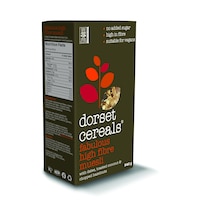
This cereal contains a high proportion of wholegrain wheat, which is beneficial for fiber and nutrient content. However, it includes added sugar and sweetened banana pieces, contributing to its sugar content. The product is moderately processed, which limits its score, but it benefits from a relatively clean ingredient list with minimal additives.
Key ingredients 18
Wholegrain WheatGood
Wholegrain wheat is a rich source of dietary fiber and essential nutrients. It supports digestive health and provides sustained energy. The whole grain form retains more nutrients compared to refined wheat.
Risks
May cause allergic reactions in individuals with wheat allergies or gluten intolerance.
Benefits
Rich in fiber, vitamins, and minerals, supporting heart health and digestion.
SultanasGood
Sultanas are dried grapes that provide natural sugars and antioxidants. They are a good source of energy and contain beneficial plant compounds. The drying process concentrates their nutrients and sugars.
Risks
High in natural sugars, which can contribute to calorie intake if consumed in excess.
Benefits
Provide natural sweetness and are rich in antioxidants and fiber.
Coconut ChipsGood
Coconut chips are a source of healthy fats and dietary fiber. They add texture and flavor to foods while providing medium-chain triglycerides (MCTs). Minimal processing retains their nutritional benefits.
Risks
High in saturated fats, which should be consumed in moderation.
Benefits
Contain MCTs that may support metabolism and provide quick energy.
Roasted Hazelnut PiecesGood
Roasted hazelnut pieces are rich in healthy fats, vitamins, and minerals. They provide a crunchy texture and nutty flavor. Roasting enhances their flavor but may reduce some heat-sensitive nutrients.
Risks
Potential allergen for individuals with nut allergies.
Benefits
High in monounsaturated fats and vitamin E, supporting heart health.
NiacinGood
Niacin, or vitamin B3, is essential for energy metabolism and DNA repair. It is often added to fortified foods to prevent deficiencies. Plays a role in maintaining healthy skin and nerves.
Benefits
Supports energy production and overall cellular health.
Vitamin EGood
Vitamin E is a powerful antioxidant that protects cells from oxidative damage. It is important for immune function and skin health. Often added to foods to enhance nutritional value.
Benefits
Supports immune function and protects against oxidative stress.
Pantothenic AcidGood
Pantothenic acid, or vitamin B5, is crucial for synthesizing coenzyme A, important in fatty acid metabolism. It is added to foods to prevent deficiencies. Supports energy production and hormone synthesis.
Benefits
Supports energy metabolism and the synthesis of essential compounds.
RiboflavinGood
Riboflavin, or vitamin B2, is essential for energy production and cellular function. It is often added to fortified foods to prevent deficiencies. Important for maintaining healthy skin and eyes.
Benefits
Supports energy production and overall cellular health.
Vitamin B6Good
Vitamin B6 is important for protein metabolism and cognitive development. It is added to foods to enhance nutritional value. Plays a role in neurotransmitter synthesis and immune function.
Benefits
Supports brain health and immune function.
ThiaminGood
Thiamin, or vitamin B1, is essential for carbohydrate metabolism and nerve function. It is often added to fortified foods to prevent deficiencies. Supports energy production and nervous system health.
Benefits
Essential for energy metabolism and nerve function.
Folic AcidGood
Folic acid is a synthetic form of folate, important for DNA synthesis and cell division. It is added to foods to prevent neural tube defects during pregnancy. Supports overall cellular health and development.
Risks
Excessive intake can mask vitamin B12 deficiency symptoms.
Benefits
Crucial for DNA synthesis and preventing birth defects.
Vitamin B12Good
Vitamin B12 is essential for red blood cell formation and neurological function. It is often added to fortified foods to prevent deficiencies, especially in vegetarians. Supports energy production and nerve health.
Benefits
Supports red blood cell production and neurological health.
Sweetened Banana PiecesNeutral
Sweetened banana pieces provide natural sugars and some fiber. The addition of sugar increases their sweetness and calorie content. They offer a mix of natural and added sugars.
Risks
Contains added sugar, which can increase calorie intake.
Benefits
Provides natural sweetness and some fiber from bananas.
Dried Apple PiecesNeutral
Dried apple pieces are a source of natural sugars and fiber. The drying process concentrates their sugars and nutrients. They are often used to add flavor and texture to foods.
Risks
May contain added salt and preservatives like citric acid.
Benefits
Rich in fiber and natural sugars, providing a sweet flavor.
Barley Malt ExtractNeutral
Barley malt extract is used as a natural sweetener and flavor enhancer. It is derived from sprouted barley grains and contains some vitamins and minerals. Often used in small quantities in processed foods.
Risks
Contains gluten, which may be a concern for those with celiac disease.
Benefits
Adds flavor and sweetness with some nutritional value from barley.
SaltNeutral
Salt is used to enhance flavor and preserve food. It is a common ingredient in processed foods. While necessary for bodily functions, excessive intake can lead to health issues.
Risks
High sodium intake can contribute to hypertension and cardiovascular disease.
Benefits
Essential for maintaining fluid balance and nerve function.
Ferric DiphosphateNeutral
Ferric diphosphate is a source of iron used in food fortification. It helps prevent iron deficiency anemia. Often added to cereals and grains to enhance their nutritional profile.
Risks
Excessive iron intake can lead to toxicity, especially in individuals with hemochromatosis.
Benefits
Essential for oxygen transport and energy production in the body.
SugarBad
Refined sugar is a source of empty calories with no essential nutrients. It can contribute to weight gain and metabolic issues when consumed in excess. Often added to enhance sweetness in processed foods.
Risks
Excessive consumption can lead to obesity, diabetes, and dental issues.
Benefits
Provides quick energy but lacks nutritional benefits.
Processing
Processed Foods
Get the full breakdown in the Scout appTake Scout shopping
Scan any product to see lab results, healthy alternatives, and your personalized analysis.
Download on theApp Store GET IT ONGoogle Play