


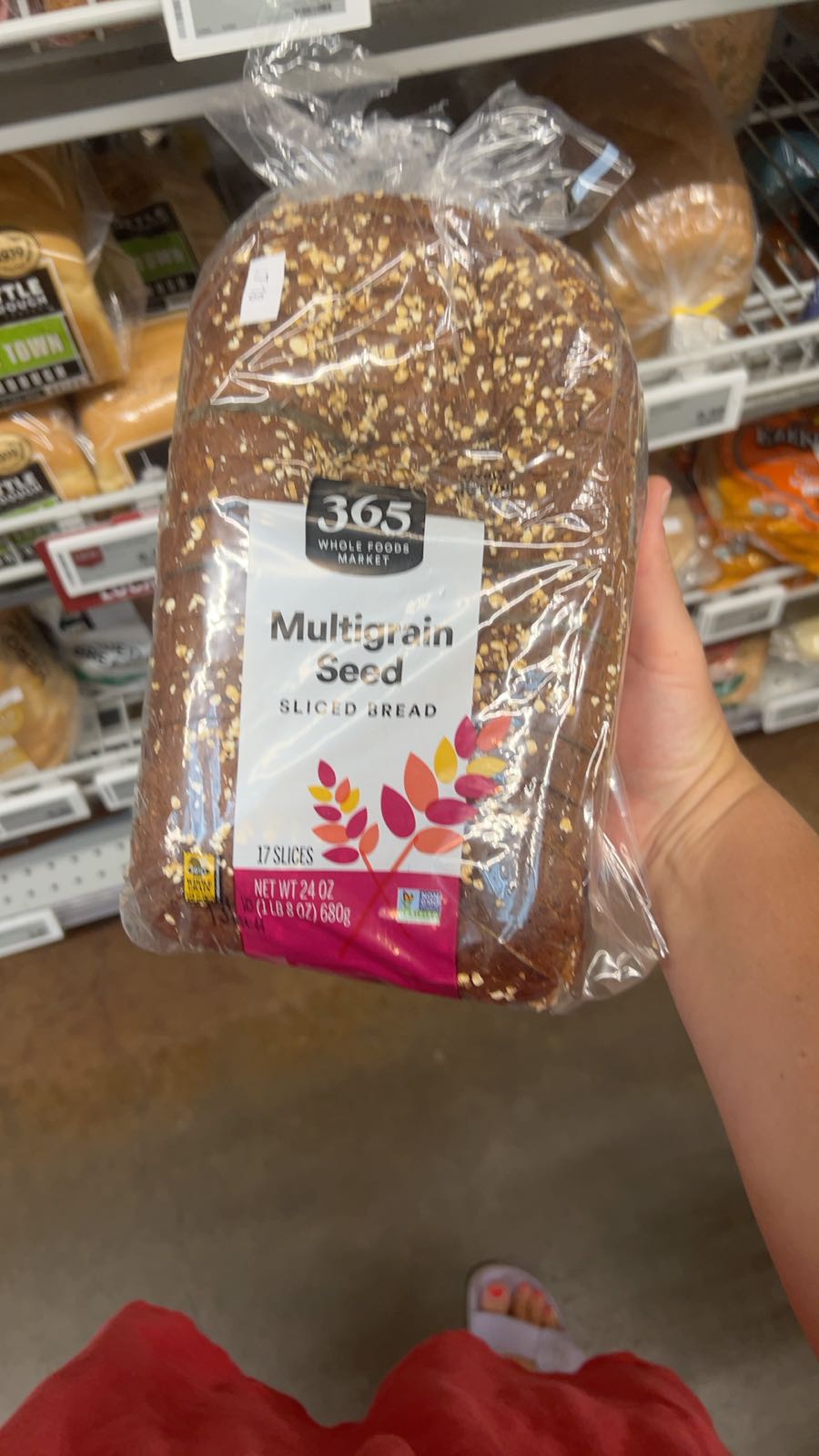
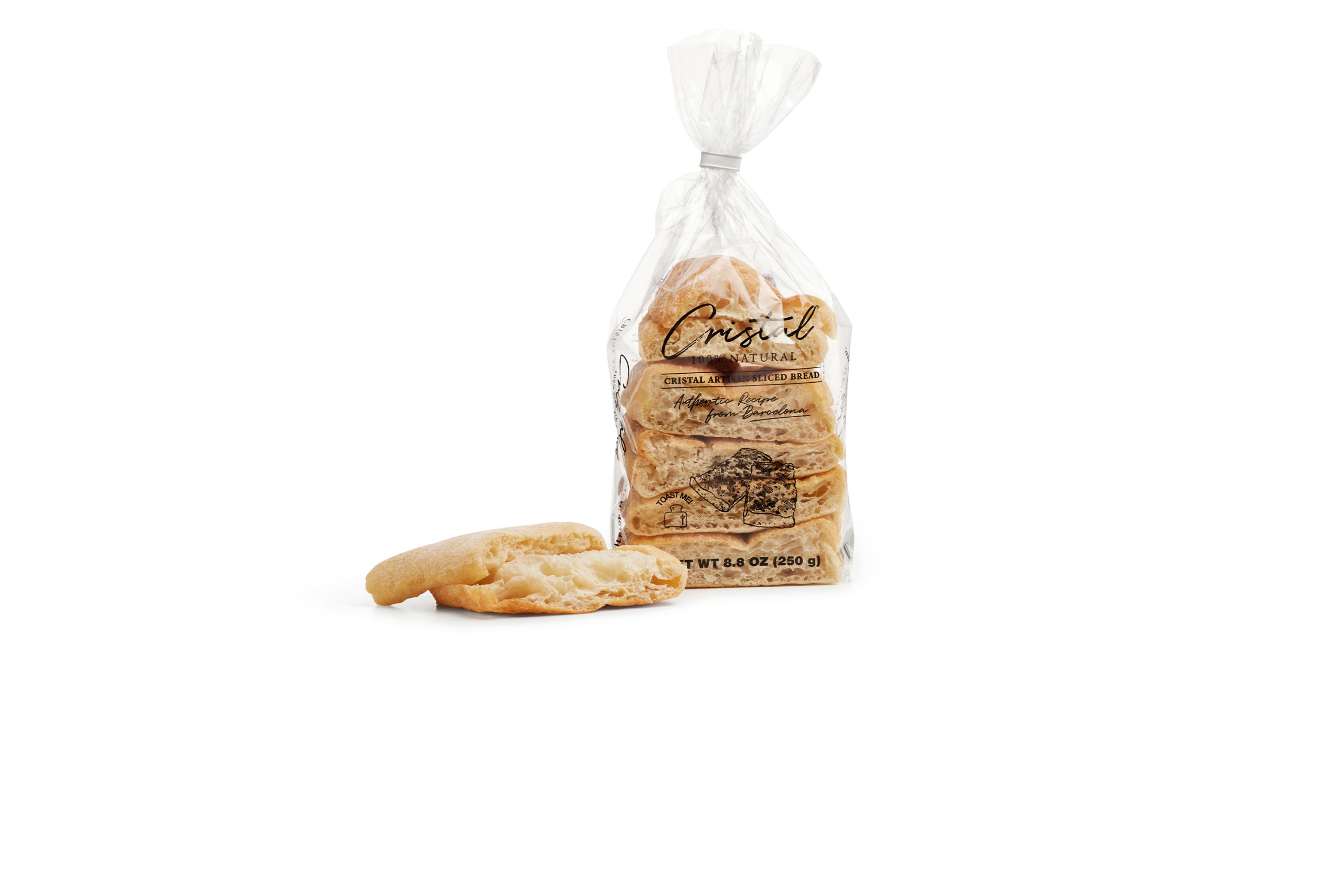





European Grains & Seeds Bread Thin Sliced
Trader Joe'sAnalysis updated August 2026 · How Scout scores
Near you
Trader Joe's is carried at Trader Joe stores. Find one within 25 miles.
At a glance
Summary
This bread contains several beneficial ingredients such as wholegrain rye flour, flaxseed, and sunflower seeds, which contribute to its nutritional profile by providing fiber, healthy fats, and essential nutrients. However, the presence of sunflower oil, a seed oil high in omega-6 fatty acids, and caramelized sugar syrup, a refined sugar product, detracts from its healthiness. The product is processed, which limits its score despite the inclusion of nutrient-dense ingredients.
Key ingredients 15
FlaxseedVery Good
Flaxseed is a nutrient-dense seed high in omega-3 fatty acids and lignans. It supports heart health and has anti-inflammatory properties. It also provides dietary fiber, which aids digestion.
Risks
May cause digestive discomfort if consumed in large quantities.
Benefits
Excellent source of omega-3 fatty acids, which are beneficial for cardiovascular health.
SourdoughGood
Sourdough is a fermented product that can improve digestibility and nutrient absorption. The fermentation process can reduce phytic acid, enhancing mineral bioavailability. It also contributes to a unique flavor and texture.
Benefits
May improve gut health due to the presence of beneficial bacteria from fermentation.
Sunflower seedsGood
Sunflower seeds are a good source of healthy fats, protein, and vitamin E. They contribute to heart health and provide antioxidant benefits. They also add texture and flavor to the bread.
Benefits
Rich in vitamin E, which acts as an antioxidant and supports skin health.
Rye flakesGood
Rye flakes are a whole grain ingredient that provides fiber and nutrients. They contribute to the bread's texture and nutritional profile. They are less processed than refined grains.
Risks
May cause allergic reactions in individuals sensitive to gluten.
Benefits
High in dietary fiber, which supports digestive health and may help in maintaining healthy cholesterol levels.
Wheat branGood
Wheat bran is a rich source of dietary fiber and essential nutrients. It supports digestive health and can aid in weight management. It also provides a good amount of magnesium and phosphorus.
Risks
May cause digestive discomfort if consumed in excess.
Benefits
Excellent source of insoluble fiber, which promotes regular bowel movements.
Fermented wheat flourGood
Fermented wheat flour can improve digestibility and nutrient absorption. The fermentation process can reduce gluten content and enhance flavor. It also contributes to the bread's texture.
Risks
May cause allergic reactions in individuals sensitive to gluten.
Benefits
May improve gut health due to the presence of beneficial bacteria from fermentation.
Dried rye sourdough starterGood
Dried rye sourdough starter is used to initiate fermentation, enhancing flavor and texture. It can improve the bread's digestibility and nutrient profile. It also contributes to the development of beneficial bacteria.
Benefits
Supports gut health through the presence of probiotics from fermentation.
WaterNeutral
Water is a neutral ingredient used as a solvent and to provide moisture. It does not contribute any calories or nutrients. It is essential for the dough formation and texture.
See more about Water →Rye flourNeutral
Standard formulation ingredient — neither beneficial nor harmful at typical use.
Risks
May cause allergic reactions in individuals sensitive to gluten.
Benefits
Rich in dietary fiber, which supports digestive health and may aid in weight management.
SaltNeutral
Salt is used to enhance flavor and as a preservative. It is essential for the fermentation process in bread making. However, excessive sodium intake can be a health concern.
Risks
High sodium intake can lead to hypertension and cardiovascular issues.
Benefits
Essential for flavor enhancement and dough conditioning.
YeastNeutral
Yeast is a leavening agent that helps the bread rise. It contributes to the texture and flavor of the bread. It is a natural ingredient used in traditional bread making.
Benefits
Essential for fermentation and leavening, contributing to the bread's texture.
Potato starchNeutral
Potato starch is used as a thickening agent and to improve texture. It is a refined carbohydrate with limited nutritional value. It helps in maintaining moisture in the bread.
Benefits
Helps improve the texture and moisture retention in baked goods.
Wheat flourBad
Refined grain flour stripped of bran and germ.
Risks
May cause allergic reactions in individuals with gluten sensitivity or celiac disease.
Benefits
Provides energy through carbohydrates and some protein content.
Caramelized sugar syrupBad
Caramelized sugar syrup is a refined sugar product used for flavor and color. It contributes to the overall sugar content of the bread. Excessive consumption of added sugars can lead to health issues.
Risks
High sugar intake can contribute to obesity, diabetes, and dental problems.
Benefits
Provides sweetness and enhances the flavor profile of the bread.
Sunflower oilVery Bad
Sunflower oil is a seed oil high in omega-6 fatty acids, which can promote inflammation. It is extracted through industrial processes that may involve high heat and chemicals. It is not recommended for regular consumption due to its inflammatory potential.
Risks
High omega-6 content may promote inflammation when consumed in excess.
Processing
Processed Foods
Get the full breakdown in the Scout appTake Scout shopping
Scan any product to see lab results, healthy alternatives, and your personalized analysis.
Download on theApp Store GET IT ONGoogle Play