



At a glance
Summary
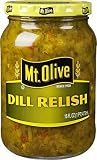
This dill relish contains cucumbers and other recognizable ingredients, but it also includes alum and sodium benzoate, which are associated with potential health concerns. The presence of these additives, along with the product's processed nature, limits its overall healthiness. While the ingredient list is relatively short, the use of these preservatives and firming agents impacts the score negatively.
Key ingredients 9
CucumbersNeutral
Cucumbers are a low-calorie vegetable primarily composed of water. They provide minimal nutritional value but are a common base for pickled products. Their role in relish is mainly for texture and volume.
Benefits
Cucumbers are hydrating and can provide a refreshing texture to dishes.
WaterNeutral
Water is used as a solvent and to adjust the consistency of the relish. It is a neutral ingredient with no nutritional impact. Its presence is essential for the product's texture.
See more about Water →VinegarNeutral
Vinegar acts as a preservative and flavor enhancer in pickled products. It is acidic and helps in maintaining the product's shelf life. The type of vinegar used can affect the flavor profile of the relish.
Risks
Excessive consumption of vinegar may lead to digestive discomfort.
Benefits
Vinegar can aid in preservation and provide a tangy flavor to foods.
SaltNeutral
Salt is used for flavor enhancement and preservation in pickled products. It is a common ingredient in processed foods. High sodium intake can be a concern for some individuals.
Risks
High sodium intake may contribute to hypertension and cardiovascular issues.
Benefits
Salt enhances flavor and acts as a preservative in food products.
Dehydrated Red Bell PepperNeutral
Dehydrated red bell pepper adds color and a mild sweetness to the relish. It is a natural ingredient with minimal processing. The dehydration process preserves the pepper for longer shelf life.
Benefits
Provides color and a subtle sweetness to the product.
Calcium ChlorideNeutral
Calcium chloride is used as a firming agent in pickled products. It helps maintain the crisp texture of cucumbers. It is generally recognized as safe in food applications.
Benefits
Helps maintain the firmness and texture of pickled vegetables.
Xanthan GumNeutral
Xanthan gum is used as a thickening and stabilizing agent in processed foods. It is derived from fermented sugars and is widely used in the food industry. It helps maintain the consistency of the relish.
Risks
May cause digestive issues in sensitive individuals when consumed in large amounts.
Benefits
Provides stability and improves the texture of food products.
AlumBad
Alum is used as a firming agent in pickling but has potential health concerns. It is an aluminum compound, and excessive intake may pose health risks. Its use in food is limited due to these concerns.
Risks
Excessive consumption of alum may lead to health issues related to aluminum exposure.
Benefits
Helps maintain the crispness of pickled products.
Sodium BenzoateBad
Sodium benzoate is a preservative used to prevent microbial growth in acidic foods. It is effective but has been associated with potential health concerns when consumed in large quantities. Its use is regulated due to these concerns.
Risks
May form benzene, a carcinogen, when combined with vitamin C under certain conditions.
Benefits
Extends the shelf life of acidic food products by inhibiting microbial growth.
Processing
Processed Foods
Get the full breakdown in the Scout appTake Scout shopping
Scan any product to see lab results, healthy alternatives, and your personalized analysis.
Download on theApp Store GET IT ONGoogle Play