




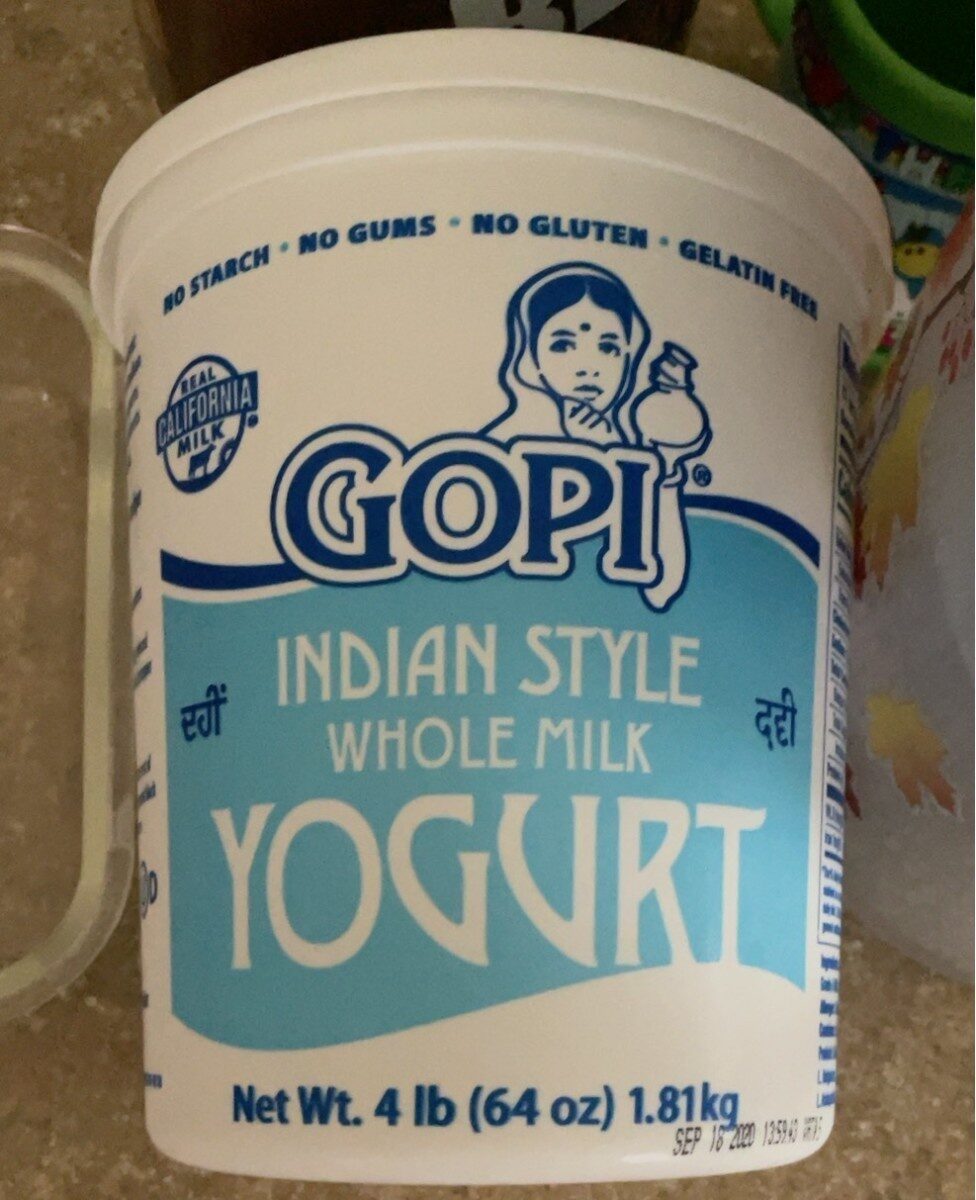
At a glance
Summary
This yogurt contains beneficial ingredients such as cultured pasteurized milk, active cultures, and added vitamins, which contribute to its nutritional value and support gut health. However, it is a processed food with added pectin and fortification, which slightly reduces its score compared to minimally processed options. Despite these factors, the absence of harmful additives and the presence of probiotics make it a relatively healthy choice within its category.
Key ingredients 5
Active Cultures with L. Acidophilus and B. BifidumVery Good
Active cultures like L. Acidophilus and B. Bifidum are probiotics that promote gut health. They help maintain a balanced intestinal flora and improve digestion. Regular consumption can enhance immune function and overall digestive health.
Benefits
Promotes a healthy gut microbiome, improving digestion and potentially boosting immune health. Supports overall digestive well-being.
Cultured Pasteurized Milk and Skim MilkGood
Cultured pasteurized milk and skim milk provide essential nutrients like calcium and protein. The pasteurization process ensures safety by eliminating harmful bacteria. Culturing adds beneficial probiotics that support gut health.
Benefits
Rich in calcium and protein, supporting bone health and muscle maintenance. Contains probiotics that promote a healthy digestive system.
Vitamin DGood
Vitamin D is essential for calcium absorption and bone health. Fortification in yogurt helps prevent deficiencies, especially in populations with limited sun exposure. It also supports immune function.
Benefits
Enhances calcium absorption, supporting bone health and reducing the risk of osteoporosis. Contributes to immune system support.
PectinNeutral
Pectin is a natural thickening agent derived from fruits. It is used to improve texture and stability in yogurt. As a soluble fiber, it may aid in digestion but does not provide significant nutritional benefits.
Benefits
May aid in digestion due to its soluble fiber content, though benefits are minimal in small quantities used in yogurt.
Vitamin A PalmitateNeutral
Vitamin A Palmitate is a synthetic form of vitamin A used to fortify foods. It helps maintain healthy vision and immune function. However, excessive intake can lead to toxicity, so moderation is key.
Risks
Excessive consumption can lead to vitamin A toxicity, but this is unlikely in typical dietary amounts.
Benefits
Supports healthy vision and immune function, contributing to overall well-being.
Processing
Processed Foods
Get the full breakdown in the Scout appTake Scout shopping
Scan any product to see lab results, healthy alternatives, and your personalized analysis.
Download on theApp Store GET IT ONGoogle Play