


At a glance
Summary
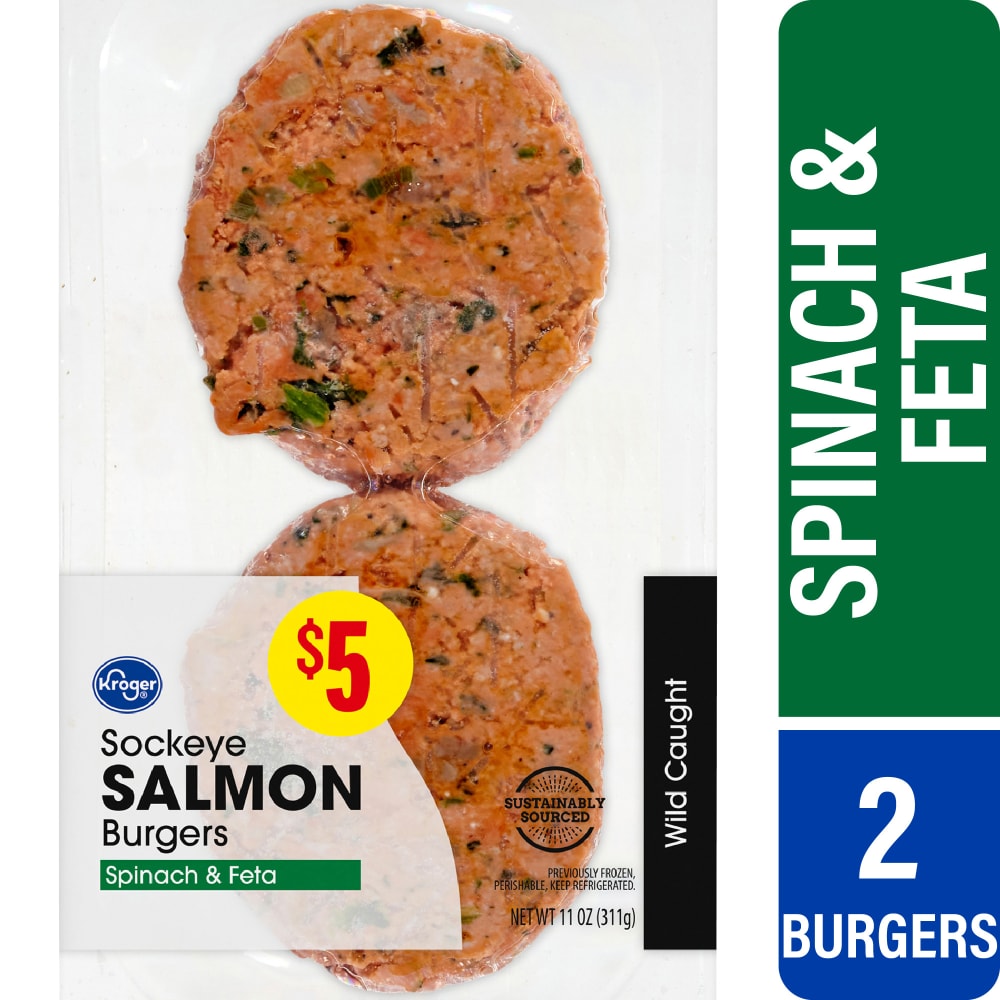
The salmon burger contains beneficial ingredients like Atlantic salmon and egg yolks, which provide high-quality protein and healthy fats. However, the presence of soybean oil and corn syrup, both of which are associated with negative health impacts, significantly lowers its health score. Additionally, the product's processing level further limits its potential score, as it includes multiple processed ingredients.
Key ingredients 10
Atlantic SalmonGood
Atlantic Salmon is a high-quality source of protein and omega-3 fatty acids. It supports heart health and provides essential nutrients like vitamin D and selenium. Wild-caught varieties are preferable due to lower contaminant levels.
Risks
Farmed salmon may contain higher levels of contaminants and antibiotics.
Benefits
Rich in omega-3 fatty acids that support cardiovascular health and reduce inflammation.
Egg YolksGood
Egg Yolks are a rich source of vitamins, minerals, and healthy fats. They contain choline, which is important for brain health. Despite their cholesterol content, moderate consumption is generally considered beneficial.
Risks
High cholesterol content may be a concern for individuals with specific dietary restrictions.
Benefits
Rich in nutrients like choline and vitamin D, supporting brain and bone health.
Mustard SeedGood
Mustard Seed is used for its pungent flavor and potential health benefits. It contains compounds that may have anti-inflammatory and antioxidant properties. It is often used in small quantities as a spice.
Benefits
Contains antioxidants and may have anti-inflammatory properties.
MayonnaiseNeutral
Mayonnaise is a condiment made primarily from oil, egg yolks, and vinegar. It provides a creamy texture and flavor to dishes. The nutritional value depends on the type of oil used.
Risks
High in calories and fats, which may contribute to weight gain if consumed in excess.
Benefits
Provides a source of fats that can enhance the absorption of fat-soluble vitamins.
WaterNeutral
Water is used as a solvent and to adjust the consistency of food products. It is essential for hydration and has no caloric content. In processed foods, it often serves as a filler or carrier for other ingredients.
Benefits
Essential for hydration and maintaining bodily functions.
Distilled VinegarNeutral
Distilled Vinegar is used as a preservative and flavor enhancer. It is made through the fermentation of ethanol by acetic acid bacteria. It has no significant nutritional value but can add acidity to foods.
Benefits
Can enhance flavor and act as a natural preservative.
Cider VinegarNeutral
Cider Vinegar is made from fermented apple juice and is used for its tangy flavor. It may have some probiotic benefits due to the fermentation process. It is often used in small amounts for flavoring.
Benefits
May provide minor probiotic benefits and enhance flavor.
SaltNeutral
Salt is used to enhance flavor and preserve food. It is a necessary nutrient for maintaining fluid balance and nerve function. Excessive consumption can lead to high blood pressure.
Risks
Excessive intake may contribute to hypertension and cardiovascular issues.
Benefits
Essential for maintaining fluid balance and nerve function.
Corn SyrupBad
Corn Syrup is a sweetener derived from corn starch, primarily composed of glucose. It is often used to enhance sweetness and texture in processed foods. High consumption can lead to increased blood sugar levels and contribute to obesity.
Risks
May contribute to obesity and insulin resistance when consumed in large amounts.
Soybean OilVery Bad
Soybean Oil is a seed oil high in omega-6 fatty acids, which can promote inflammation. It is often highly processed and refined. Its high omega-6 content can disrupt the omega-3 to omega-6 balance in the diet.
Risks
High omega-6 content may promote inflammation when consumed in excess.
Processing
Processed Foods
Get the full breakdown in the Scout appTake Scout shopping
Scan any product to see lab results, healthy alternatives, and your personalized analysis.
Download on theApp Store GET IT ONGoogle Play