



At a glance
Summary
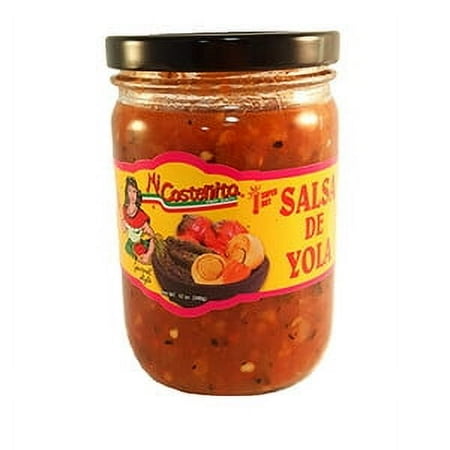
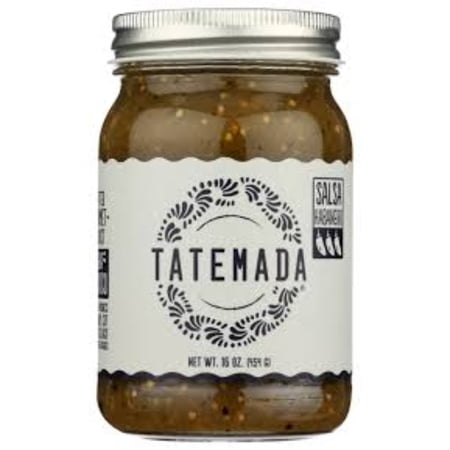
This salsa contains mostly whole food ingredients like tomatoes, jalapeno peppers, onions, and garlic, which are generally healthy. However, the presence of 'natural flavor' introduces a lack of transparency, which is a moderate concern. Additionally, the product is classified as ultra-processed, which limits its score despite the relatively clean ingredient list.
Key ingredients 9
Crushed TomatoesNeutral
Crushed tomatoes are a common base for sauces, providing a rich source of vitamins and minerals. They are typically processed to maintain a long shelf life and consistent texture. While they offer nutritional benefits, the processing may reduce some nutrient content.
Benefits
Rich in vitamins A and C, and lycopene, which may support heart health and reduce cancer risk.
Diced Tomatoes In Tomato JuiceNeutral
Diced tomatoes in tomato juice are used to add texture and flavor to sauces. They are minimally processed, retaining most of their natural nutrients. The juice helps preserve the tomatoes and enhances the overall flavor profile.
Benefits
Provides vitamins C and K, and antioxidants that support immune function and skin health.
Jalapeno PeppersNeutral
Jalapeno peppers add heat and flavor to dishes, containing capsaicin which may have health benefits. They are typically used fresh or pickled, maintaining most of their nutritional value. The spiciness can enhance metabolism and provide a unique taste.
Risks
May cause digestive discomfort in sensitive individuals.
Benefits
Contains capsaicin, which may boost metabolism and provide anti-inflammatory effects.
OnionsNeutral
Onions are a staple ingredient in many cuisines, offering flavor and nutritional benefits. They are typically used fresh or dried, retaining their beneficial compounds. Onions contain antioxidants and sulfur compounds that may support heart health.
Benefits
Rich in antioxidants and sulfur compounds that may support heart health and immune function.
VinegarNeutral
Vinegar is used as a preservative and flavor enhancer in many foods. It is produced through fermentation, which can provide beneficial acetic acid. While it adds tanginess, it does not offer significant nutritional benefits.
Risks
Excessive consumption may lead to enamel erosion and digestive discomfort.
Benefits
Contains acetic acid, which may aid in digestion and provide antimicrobial properties.
SaltNeutral
Salt is used to enhance flavor and preserve foods. It is a common ingredient in processed foods, providing essential sodium for bodily functions. However, excessive intake can lead to health issues.
Risks
High sodium intake may contribute to hypertension and cardiovascular disease.
Benefits
Provides essential sodium necessary for nerve and muscle function.
Dried OnionNeutral
Dried onion is used for flavoring, offering a concentrated source of onion flavor. It retains some of the nutritional benefits of fresh onions, such as antioxidants. The drying process helps preserve the onion for long-term storage.
Benefits
Provides antioxidants and sulfur compounds that may support health.
Dried GarlicNeutral
Dried garlic is used for its potent flavor and potential health benefits. It retains many of the beneficial compounds found in fresh garlic, such as allicin. The drying process extends its shelf life and makes it convenient to use.
Benefits
Contains allicin, which may support cardiovascular health and provide antimicrobial effects.
Natural FlavorBad
Natural flavor is a catch-all term for flavoring agents derived from natural sources. It is often used to enhance taste but lacks transparency about its specific components. The lack of detailed information can be concerning for those with allergies or sensitivities.
Risks
Potential allergens or sensitivities due to undisclosed components.
Processing
Ultra-Processed Foods
Get the full breakdown in the Scout appTake Scout shopping
Scan any product to see lab results, healthy alternatives, and your personalized analysis.
Download on theApp Store GET IT ONGoogle Play