


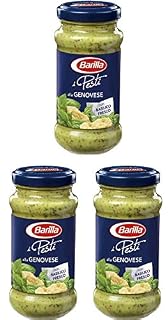

At a glance
Summary
This pesto contains beneficial ingredients like basil, Grana Padano cheese, cashews, pine nuts, and extra virgin olive oil, which contribute to its nutritional value. However, the presence of sunflower oil, a seed oil high in omega-6 fatty acids, and dextrose, a refined sugar, detracts from its healthiness. The product is moderately processed, which limits its score despite the inclusion of some high-quality ingredients.
Key ingredients 11
BasilVery Good
Basil is a fresh herb rich in antioxidants and essential oils that provide anti-inflammatory and antimicrobial benefits. It is minimally processed and retains its natural nutrients. The herb is known for its aromatic properties and potential to enhance flavor without added calories.
Benefits
Rich in antioxidants and essential oils that provide anti-inflammatory and antimicrobial benefits.
Extra virgin olive oilVery Good
Extra virgin olive oil is a high-quality monounsaturated fat with anti-inflammatory properties. It contains antioxidants that support heart health. Cold-pressed extraction preserves beneficial compounds.
Benefits
Rich in monounsaturated fats that support heart health and provide anti-inflammatory properties. Contains antioxidants like vitamin E and polyphenols that may reduce oxidative stress.
Grana Padano cheeseGood
Grana Padano cheese is a source of high-quality protein and calcium, beneficial for bone health. It is a processed cheese but retains many nutrients from milk. The aging process enhances its flavor and digestibility.
Risks
Contains lactose, which may be a concern for those with lactose intolerance.
Benefits
Provides high-quality protein and calcium, beneficial for bone health.
RennetGood
Beneficial ingredient — whole-food or functional value in this product class.
Benefits
Essential for cheese production, aiding in milk coagulation.
CashewsGood
Cashews are a nutrient-dense nut providing healthy fats, protein, and minerals. They are minimally processed and contribute to the creamy texture of the pesto. Cashews are a good source of magnesium and copper, supporting bone and immune health.
Risks
Potential allergen for individuals with nut allergies.
Benefits
Rich in healthy fats, protein, and minerals like magnesium and copper.
Pine nutsGood
Pine nuts are a source of healthy fats, protein, and essential nutrients. They are minimally processed and add a rich, nutty flavor to the pesto. Pine nuts contain vitamin E and magnesium, supporting heart health and energy production.
Risks
Potential allergen for individuals with nut allergies.
Benefits
Provide healthy fats, protein, and essential nutrients like vitamin E and magnesium.
Cow's milkNeutral
Cow's milk is a common dairy ingredient providing protein and calcium. It is a whole food but can be a concern for those with lactose intolerance. The milk is pasteurized to ensure safety and extend shelf life.
Risks
May cause digestive issues for those with lactose intolerance.
Benefits
Provides protein and calcium, essential for bone health.
SaltNeutral
Salt is a common seasoning used to enhance flavor. It is a processed culinary ingredient with no significant nutritional benefits. Excessive consumption can lead to health issues such as hypertension.
Risks
Excessive consumption can lead to hypertension and cardiovascular issues.
Benefits
Enhances flavor in foods.
Enzymes from eggsNeutral
Enzymes from eggs are used to enhance the texture and flavor of food products. They are natural and contribute to the functional properties of the product. The use of enzymes is common in food processing and generally considered safe.
Risks
Potential allergen for individuals with egg allergies.
Benefits
Enhances texture and flavor in food products.
DextroseBad
Dextrose is a simple sugar that can contribute to increased blood sugar levels. It is a refined carbohydrate with no significant nutritional benefits. Excessive consumption of dextrose can lead to metabolic issues such as insulin resistance.
Risks
Can contribute to increased blood sugar levels and metabolic issues.
Sunflower oilVery Bad
Sunflower oil is a seed oil high in omega-6 fatty acids, which can promote inflammation. It is often highly processed and refined, which can degrade its nutritional quality. The high omega-6 content may contribute to an imbalance in the omega-3 to omega-6 ratio in the diet.
Risks
High omega-6 content may promote inflammation when consumed in excess.
Processing
Processed Foods
Get the full breakdown in the Scout appTake Scout shopping
Scan any product to see lab results, healthy alternatives, and your personalized analysis.
Download on theApp Store GET IT ONGoogle Play