


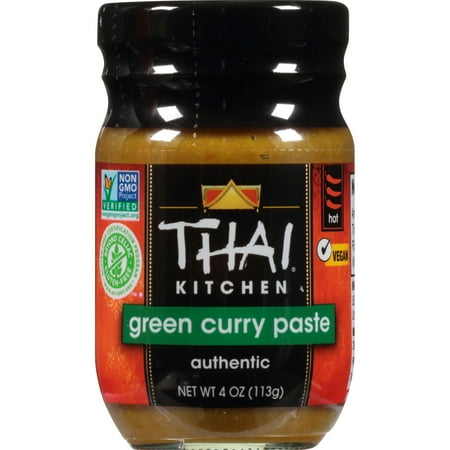


At a glance
Summary
This chicken green curry contains several beneficial ingredients like white meat chicken, coconut milk, and various vegetables and spices, which contribute to its nutritional value. However, the presence of expeller-pressed canola oil and sunflower oil, both high in omega-6 fatty acids, along with added sugar, detracts from its healthiness. The product is moderately processed, which limits its score despite the inclusion of some high-quality ingredients.
Key ingredients 21
White meat chickenGood
White meat chicken is a high-quality source of lean protein. It provides essential amino acids necessary for muscle repair and growth. Compared to red meat, it is lower in saturated fat, making it a healthier protein choice.
Benefits
Rich in protein and low in fat, supporting muscle health and weight management.
Coconut milkGood
Coconut milk is a source of healthy fats, particularly medium-chain triglycerides (MCTs). These fats are easily metabolized for energy and may support weight management. It also adds a creamy texture and flavor to dishes.
Risks
High in calories and saturated fats, which may contribute to weight gain if consumed in excess.
Benefits
Provides MCTs that can boost energy and support metabolic health.
ShallotsGood
Shallots are a flavorful allium vegetable rich in antioxidants and vitamins. They contain compounds that may support heart health and reduce inflammation. Their mild flavor enhances dishes without adding excessive calories.
Benefits
Rich in antioxidants and vitamins, supporting overall health and reducing inflammation.
GarlicGood
Garlic is known for its potential health benefits, including antimicrobial and anti-inflammatory properties. It contains allicin, which may support cardiovascular health. Regular consumption is associated with reduced risk of certain chronic diseases.
Risks
May cause digestive discomfort in some individuals when consumed in large amounts.
Benefits
Contains allicin, which supports heart health and has antimicrobial properties.
CilantroGood
Cilantro is an herb rich in antioxidants and essential nutrients. It may help detoxify heavy metals from the body and improve digestion. Its fresh flavor enhances culinary dishes.
Benefits
Rich in antioxidants and may aid in detoxification and digestion.
OnionsGood
Onions are a nutrient-dense vegetable with anti-inflammatory and antioxidant properties. They contain quercetin, which may help reduce blood pressure and improve heart health. Onions add flavor and nutritional value to meals.
Benefits
Contains quercetin, supporting heart health and reducing inflammation.
Red bell peppersGood
Red bell peppers are rich in vitamins A and C, supporting immune function and skin health. They contain antioxidants that may reduce the risk of chronic diseases. Their sweet flavor and vibrant color enhance dishes.
Benefits
Rich in vitamins and antioxidants, supporting immune health and reducing disease risk.
Galangal rootGood
Galangal root is a spice with anti-inflammatory and digestive benefits. It contains compounds that may improve circulation and reduce nausea. Its unique flavor is a staple in Southeast Asian cuisine.
Benefits
Supports digestion and circulation, with anti-inflammatory properties.
LemongrassGood
Lemongrass is an aromatic herb with potential antimicrobial and anti-inflammatory properties. It is used in traditional medicine to aid digestion and relieve pain. Its citrusy flavor enhances culinary dishes.
Benefits
May aid digestion and provide antimicrobial benefits.
SpicesGood
Whole-food seasonings, antioxidant-bearing.
Benefits
May provide antioxidants and enhance flavor.
Green chilliesGood
Green chillies are rich in vitamins A and C and contain capsaicin, which may boost metabolism. They add heat and flavor to dishes, enhancing culinary experiences. Capsaicin may also have anti-inflammatory properties.
Risks
May cause digestive discomfort in sensitive individuals.
Benefits
Rich in vitamins and capsaicin, supporting metabolism and providing anti-inflammatory benefits.
Kaffir lime leavesGood
Kaffir lime leaves are aromatic and used to enhance flavor in Southeast Asian cuisine. They contain essential oils that may have antimicrobial properties. Their unique flavor profile adds depth to dishes.
Benefits
Provides flavor and may have antimicrobial benefits.
Thai basilGood
Thai basil is an herb rich in antioxidants and essential oils. It may support digestive health and reduce inflammation. Its distinct flavor enhances culinary dishes.
Benefits
Rich in antioxidants and supports digestive health.
Baby cornNeutral
Baby corn is a low-calorie vegetable that provides some fiber and vitamins. It is often used in Asian cuisine for its texture and mild flavor. While not particularly nutrient-dense, it adds variety to dishes.
Benefits
Provides some fiber and vitamins, adding texture and variety to dishes.
JaggeryNeutral
Jaggery is a traditional unrefined sugar with trace minerals. It is considered a healthier alternative to refined sugar but still contributes to calorie intake. Used in moderation, it can add a rich flavor to dishes.
Risks
High in calories and sugars, which may contribute to weight gain if consumed in excess.
Benefits
Contains trace minerals and provides a natural sweetening option.
SaltNeutral
Salt is essential for maintaining fluid balance and nerve function. It is used to enhance flavor in foods. Excessive consumption can lead to high blood pressure and other health issues.
Risks
Excessive intake may contribute to high blood pressure and cardiovascular issues.
Benefits
Essential for fluid balance and nerve function.
WaterNeutral
Water is essential for life and is used as a base in cooking. It has no calories or nutritional value but is crucial for hydration. It acts as a solvent and medium for cooking.
Benefits
Essential for hydration and cooking processes.
Jasmine riceNeutral
Jasmine rice is a carbohydrate source that provides energy. It is a staple in many diets but lacks significant nutritional diversity. Its aromatic flavor and texture are valued in culinary applications.
Risks
High glycemic index may affect blood sugar levels if consumed in large quantities.
Benefits
Provides energy and is a staple carbohydrate in many diets.
SugarBad
Refined sugar is a source of empty calories with no nutritional benefits. It can contribute to weight gain and increase the risk of metabolic diseases. Excessive consumption is linked to various health issues.
Risks
May contribute to obesity, diabetes, and other metabolic disorders when consumed in excess.
Expeller-pressed canola oilVery Bad
Canola oil is a seed oil high in omega-6 fatty acids, which can promote inflammation. The expeller-pressed method is a better extraction process, but it does not eliminate the high omega-6 content. Regular consumption of seed oils is linked to an imbalance in omega-3 to omega-6 ratios.
Risks
High omega-6 content may promote inflammation when consumed in excess.
Sunflower oilVery Bad
Sunflower oil is a seed oil high in omega-6 fatty acids, which can promote inflammation. Its high smoke point makes it suitable for cooking, but it is not ideal for regular consumption due to its fatty acid profile. Regular use can disrupt the balance of omega-3 to omega-6 fatty acids in the diet.
Risks
High omega-6 content may promote inflammation when consumed in excess.
Processing
Processed Foods
Get the full breakdown in the Scout appTake Scout shopping
Scan any product to see lab results, healthy alternatives, and your personalized analysis.
Download on theApp Store GET IT ONGoogle Play