







At a glance
Summary
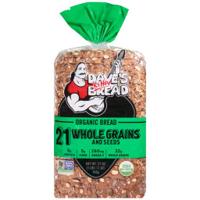
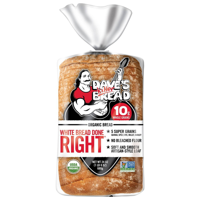
This bagel is made with a variety of organic flours, including wheat, barley, rye, and quinoa, which contribute to its nutritional value and fiber content. The use of organic ingredients ensures minimal exposure to synthetic chemicals, enhancing its health profile. However, the presence of organic brown sugar adds to the sugar content, and the product's processing level limits its score despite the overall clean ingredient list.
Key ingredients 9
Organic barley flourGood
Organic barley flour is a whole grain flour that adds fiber and nutrients. It is organic, ensuring no synthetic chemicals are used in its cultivation. Barley flour can improve the nutritional profile of baked goods.
Risks
Contains gluten, which may not be suitable for those with gluten-related disorders.
Benefits
Rich in dietary fiber, which aids in digestion and helps maintain healthy cholesterol levels.
Organic rye flourGood
Organic rye flour is a nutritious flour that provides a distinct flavor and additional fiber. Being organic, it is cultivated without harmful chemicals. Rye flour is known for its dense texture and nutritional benefits.
Risks
May cause digestive issues for those with gluten intolerance or celiac disease.
Benefits
Offers a good source of fiber and essential nutrients, supporting heart health and digestion.
Organic quinoa flourGood
Organic quinoa flour is a gluten-free flour rich in protein and essential amino acids. It is organic, ensuring a clean cultivation process. Quinoa flour enhances the nutritional value of baked goods.
Benefits
Provides a complete protein source and is rich in vitamins and minerals, supporting overall health.
Organic oatsGood
Organic oats are a whole grain known for their high fiber content and heart health benefits. Being organic, they are free from synthetic pesticides. Oats contribute to the nutritional density of the product.
Risks
May contain gluten if not certified gluten-free, posing a risk to those with celiac disease.
Benefits
Rich in beta-glucan, which can help lower cholesterol levels and improve heart health.
Organic wheat flourNeutral
Standard formulation ingredient — neither beneficial nor harmful at typical use.
Risks
Potential gluten sensitivity for individuals with celiac disease or gluten intolerance.
Benefits
Provides essential carbohydrates for energy and some dietary fiber, contributing to digestive health.
Organic cinnamon bitsNeutral
Organic cinnamon bits add flavor and a hint of spice to the product. They are made with organic ingredients, ensuring no synthetic additives. Cinnamon is known for its antioxidant properties.
Benefits
Cinnamon contains antioxidants that may have anti-inflammatory effects.
Organic wheat glutenNeutral
Organic wheat gluten is used to improve the texture and elasticity of baked goods. It is a concentrated source of gluten protein. While beneficial for texture, it may pose issues for those with gluten intolerance.
Risks
Not suitable for individuals with celiac disease or gluten sensitivity.
Benefits
Enhances the texture and structure of baked goods, providing a chewy consistency.
YeastNeutral
Yeast is a natural leavening agent used in baking to help dough rise. It is a common ingredient in bread products. Yeast contributes to the fermentation process, enhancing flavor and texture.
Benefits
Helps in the fermentation process, improving the flavor and texture of baked goods.
Organic brown sugarBad
Organic brown sugar is a refined sugar that contributes to the sweetness of the product. Despite being organic, it is still a source of added sugars. Excessive consumption of added sugars can lead to health issues.
Risks
High intake of added sugars is linked to obesity, type 2 diabetes, and heart disease.
Benefits
Provides a natural sweetness and some trace minerals due to its molasses content.
Processing
Processed Foods
Get the full breakdown in the Scout appTake Scout shopping
Scan any product to see lab results, healthy alternatives, and your personalized analysis.
Download on theApp Store GET IT ONGoogle Play