
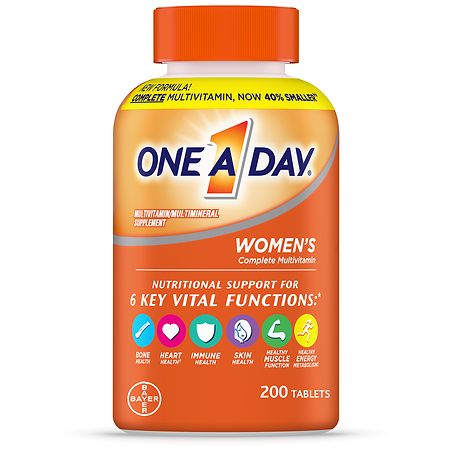
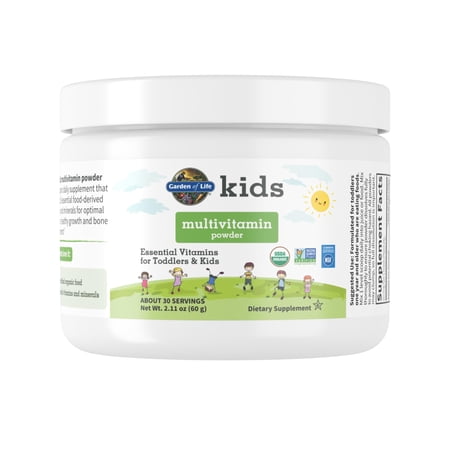
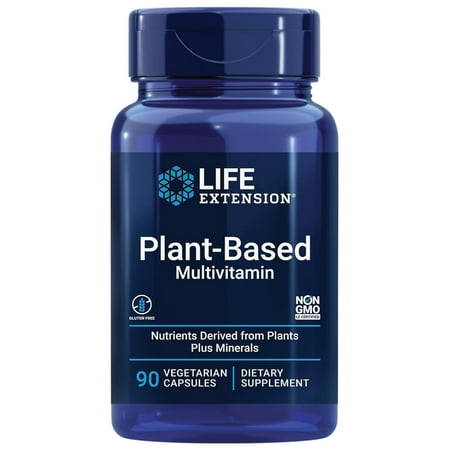
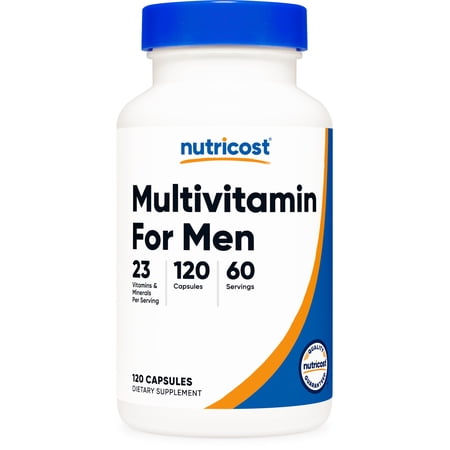
One A Day Women’s Multivitamin with Vitamin A C D and E for Immune Health Support 200 Count
Summary
This multivitamin contains beneficial ingredients like calcium carbonate, ascorbic acid, and ferrous fumarate, which support bone health, immune function, and iron levels. However, the presence of titanium dioxide and talc raises health concerns due to potential safety issues. The formulation includes a moderate number of additives, which slightly impacts its overall quality.
At a glance
Key ingredients 29
Calcium CarbonateGood
Calcium carbonate is a common form of calcium used in supplements to support bone health. It is a cost-effective source of calcium, though it requires stomach acid for absorption. It is beneficial for maintaining strong bones and teeth.
Risks
Excessive intake may lead to kidney stones or impaired absorption of other minerals.
Benefits
Provides essential calcium needed for bone density and overall skeletal health.
Ascorbic AcidVery Good
Ascorbic acid, also known as Vitamin C, is a powerful antioxidant that supports immune function and skin health. It is water-soluble and must be consumed regularly as the body does not store it. It enhances iron absorption and aids in collagen synthesis.
Risks
High doses may cause gastrointestinal discomfort or kidney stones.
Benefits
Boosts immune system function and acts as an antioxidant to protect cells from damage.
Magnesium OxideNeutral
Magnesium oxide is a common form of magnesium used in supplements, though it has lower bioavailability compared to other forms. It is used to support muscle and nerve function. While it is an inexpensive source of magnesium, its absorption rate is relatively low.
Risks
May cause digestive issues such as diarrhea in high doses.
Benefits
Supports muscle and nerve function and is involved in over 300 biochemical reactions in the body.
Ferrous FumarateGood
Ferrous fumarate is a form of iron used to treat or prevent low blood levels of iron (anemia). It is well-absorbed and effective in increasing iron levels. Iron is crucial for the production of hemoglobin and oxygen transport in the blood.
Risks
Excessive iron intake can lead to toxicity and gastrointestinal issues.
Benefits
Essential for oxygen transport and energy production in the body.
dl-Alpha-Tocopherol AcetateGood
dl-Alpha-Tocopherol Acetate is a synthetic form of Vitamin E, an antioxidant that protects cells from oxidative damage. It is used in supplements to support skin health and immune function. While synthetic, it still provides antioxidant benefits.
Risks
High doses may interfere with blood clotting and increase the risk of bleeding.
Benefits
Acts as an antioxidant, protecting cells from damage and supporting immune health.
NiacinamideGood
Niacinamide, a form of Vitamin B3, supports skin health and energy metabolism. It is well-tolerated and does not cause flushing like niacin. It plays a role in DNA repair and the production of cellular energy.
Risks
High doses may cause liver damage or gastrointestinal issues.
Benefits
Supports energy production and skin health, and aids in DNA repair.
GelatinNeutral
Gelatin is used as a gelling agent in supplements and is derived from animal collagen. It is used to encapsulate vitamins and minerals. While it provides no significant nutritional benefits, it is generally considered safe.
Benefits
Provides structural support in supplement capsules.
MaltodextrinNeutral
Maltodextrin is a polysaccharide used as a filler or thickener in supplements. It is derived from starch and is easily digestible. While it provides no significant nutritional benefits, it is commonly used in food processing.
Risks
May cause spikes in blood sugar levels in sensitive individuals.
Benefits
Acts as a filler or thickener in supplements, providing texture and stability.
Color (Riboflavin, Titanium Dioxide, Vegetable Juice)Bad
Color additives like titanium dioxide are used to enhance the appearance of supplements but offer no nutritional benefits. Titanium dioxide is controversial due to potential health concerns. Riboflavin and vegetable juice are generally safe, but the inclusion of titanium dioxide is concerning.
Risks
Titanium dioxide may pose health risks, including potential carcinogenic effects when inhaled.
Benefits
Riboflavin and vegetable juice provide color naturally, but titanium dioxide offers no health benefits.
Copper SulfateNeutral
Copper sulfate is used as a source of copper in supplements, essential for iron metabolism and neurological function. It is effective in small amounts but can be toxic in high doses. Copper is necessary for the formation of red blood cells and maintaining healthy nerves.
Risks
Excessive intake can lead to copper toxicity, causing liver and kidney damage.
Benefits
Supports iron metabolism and neurological function, and is essential for red blood cell formation.
Corn StarchNeutral
Corn starch is used as a filler or binder in supplements, providing no significant nutritional benefits. It is derived from corn and is commonly used in food processing. While it is generally safe, it offers no health benefits.
Benefits
Acts as a filler or binder, providing structure to supplements.
Croscarmellose SodiumNeutral
Croscarmellose sodium is used as a disintegrant in supplements to help tablets dissolve and release their active ingredients. It is a cellulose derivative and is generally considered safe. It aids in the efficient release of nutrients in the digestive tract.
Benefits
Enhances the dissolution and absorption of active ingredients in supplements.
CyanocobalaminVery Good
Cyanocobalamin is a synthetic form of Vitamin B12, essential for nerve function and the production of DNA and red blood cells. It is well-absorbed and effective in preventing B12 deficiency. Vitamin B12 is crucial for maintaining healthy nerve cells and energy production.
Benefits
Supports nerve function, DNA production, and red blood cell formation.
D-Calcium PantothenateGood
D-Calcium Pantothenate is a form of Vitamin B5, important for synthesizing coenzyme A and metabolizing carbohydrates, proteins, and fats. It is well-tolerated and supports energy production. Vitamin B5 is essential for the synthesis of hormones and cholesterol.
Benefits
Supports energy metabolism and the synthesis of coenzyme A.
Folic AcidVery Good
Folic acid is a synthetic form of folate, a B-vitamin essential for DNA synthesis and cell division. It is crucial during pregnancy to prevent neural tube defects. Folic acid is well-absorbed and supports overall cellular health.
Risks
Excessive intake may mask Vitamin B12 deficiency symptoms.
Benefits
Essential for DNA synthesis and preventing neural tube defects during pregnancy.
Guar GumNeutral
Guar gum is a soluble fiber used as a thickening agent in supplements. It is derived from guar beans and is generally considered safe. While it provides no significant nutritional benefits, it can aid in digestion by acting as a prebiotic.
Risks
May cause digestive discomfort in sensitive individuals.
Benefits
Acts as a thickening agent and may support digestive health as a prebiotic.
Hydroxypropyl MethylcelluloseNeutral
Hydroxypropyl methylcellulose is used as a coating agent in supplements to control the release of active ingredients. It is a cellulose derivative and is generally considered safe. It helps in the controlled release and absorption of nutrients.
Benefits
Enhances the controlled release and absorption of active ingredients in supplements.
Medium Chain TriglyceridesGood
Medium chain triglycerides (MCTs) are fats that are rapidly absorbed and used for energy. They are derived from coconut or palm kernel oil and support cognitive function and weight management. MCTs are beneficial for providing quick energy and supporting metabolic health.
Benefits
Provides quick energy and supports cognitive function and weight management.
Polyvinyl AlcoholNeutral
Polyvinyl alcohol is used as a film-forming agent in supplements to provide a protective coating. It is synthetic and generally considered safe for consumption. While it offers no nutritional benefits, it helps protect the integrity of the supplement.
Benefits
Provides a protective coating to maintain the integrity of the supplement.
Potassium IodideGood
Potassium iodide is a source of iodine, essential for thyroid function and hormone production. It is well-absorbed and effective in preventing iodine deficiency. Iodine is crucial for maintaining metabolic rate and overall thyroid health.
Risks
Excessive intake can lead to thyroid dysfunction.
Benefits
Supports thyroid function and hormone production, preventing iodine deficiency.
Pyridoxine HydrochlorideGood
Pyridoxine hydrochloride is a form of Vitamin B6, important for protein metabolism and neurotransmitter synthesis. It is well-absorbed and supports brain health and immune function. Vitamin B6 is crucial for the production of neurotransmitters and red blood cells.
Risks
High doses may cause nerve damage.
Benefits
Supports protein metabolism, brain health, and immune function.
RiboflavinGood
Riboflavin, also known as Vitamin B2, is essential for energy production and cellular function. It is water-soluble and must be consumed regularly. Riboflavin supports the metabolism of fats, drugs, and steroids.
Benefits
Supports energy production and cellular function, and aids in the metabolism of fats and drugs.
Silicon DioxideNeutral
Silicon dioxide is used as an anti-caking agent in supplements to prevent clumping. It is naturally occurring and generally considered safe. While it provides no nutritional benefits, it ensures the free flow of powdered ingredients.
Benefits
Prevents clumping and ensures the free flow of powdered ingredients in supplements.
Sodium SeleniteGood
Sodium selenite is a form of selenium, an essential trace mineral with antioxidant properties. It supports immune function and thyroid health. Selenium is crucial for the production of antioxidant enzymes and maintaining a healthy immune system.
Risks
Excessive intake can lead to selenium toxicity, causing hair loss and nail brittleness.
Benefits
Supports immune function and thyroid health, and acts as an antioxidant.
Stearic AcidNeutral
Stearic acid is used as a lubricant in supplements to prevent ingredients from sticking to manufacturing equipment. It is a saturated fatty acid and is generally considered safe. While it provides no nutritional benefits, it aids in the manufacturing process.
Benefits
Acts as a lubricant in the manufacturing process, ensuring smooth production.
TalcBad
Talc is used as an anti-caking agent in supplements but has raised health concerns due to potential contamination with asbestos. While it helps prevent clumping, its safety is controversial. The potential for contamination with asbestos is a significant concern.
Risks
Potential contamination with asbestos poses a serious health risk.
Thiamine MononitrateGood
Thiamine mononitrate is a form of Vitamin B1, essential for energy metabolism and nerve function. It is well-absorbed and supports the conversion of carbohydrates into energy. Thiamine is crucial for maintaining healthy nerve and muscle function.
Benefits
Supports energy metabolism and nerve function, and aids in carbohydrate conversion.
Vitamin A AcetateGood
Vitamin A acetate is a form of Vitamin A, essential for vision, immune function, and skin health. It is well-absorbed and supports overall health. Vitamin A is crucial for maintaining healthy vision and immune response.
Risks
Excessive intake can lead to toxicity, causing liver damage and birth defects.
Benefits
Supports vision, immune function, and skin health.
Zinc OxideGood
Zinc oxide is a form of zinc, an essential mineral that supports immune function and wound healing. It is well-absorbed and effective in preventing zinc deficiency. Zinc is crucial for maintaining a healthy immune system and promoting wound healing.
Risks
Excessive intake can lead to zinc toxicity, causing nausea and immune dysfunction.
Benefits
Supports immune function and wound healing, and prevents zinc deficiency.
Processing
Ultra-Processed Foods
Get the full breakdown in the Scout app
Scan any product to see lab results, healthy alternatives, and your personalized analysis.
Download on theApp Store