




At a glance
Summary
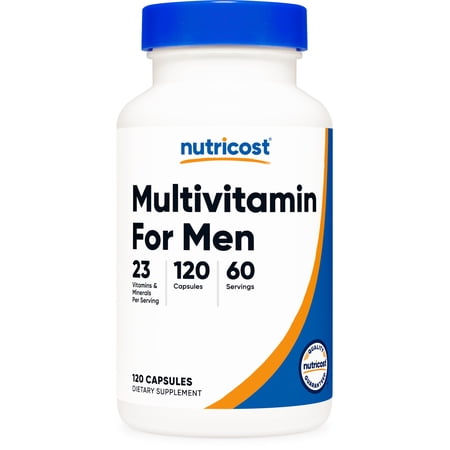
This multivitamin contains several beneficial ingredients such as calcium carbonate, calcium ascorbate, and ferrous fumarate, which support bone health and iron levels. However, the presence of cupric oxide, a poorly absorbed form of copper, and the use of multiple additives like maltodextrin and microcrystalline cellulose, slightly detract from its overall quality. The formulation is moderately processed, but it lacks major harmful ingredients, making it a reasonably healthy choice within its category.
Key ingredients 36
MethylcobalaminVery Good
Methylcobalamin is a bioactive form of vitamin B12, essential for nerve function and red blood cell production. It is highly bioavailable and effective in supporting neurological health. This form of B12 is beneficial for energy production and cognitive function.
Benefits
Supports nerve health, energy production, and the formation of red blood cells.
Calcium AscorbateGood
Calcium ascorbate is a form of vitamin C that is buffered with calcium, making it less acidic and easier on the stomach. It provides both vitamin C and calcium, supporting immune function and bone health. This form is beneficial for those with sensitive stomachs.
Risks
Excessive intake can lead to gastrointestinal disturbances.
Benefits
Provides antioxidant support and contributes to collagen synthesis and immune function.
Ferrous FumarateGood
Ferrous fumarate is a form of iron used in supplements to treat or prevent iron deficiency anemia. It is well-absorbed and effective in increasing iron levels in the body. Iron is crucial for oxygen transport and energy production.
Risks
High doses can cause gastrointestinal issues and toxicity, especially in children.
Benefits
Essential for the production of hemoglobin and myoglobin, supporting oxygen transport in the blood.
Choline BitartrateGood
Choline bitartrate is a source of choline, an essential nutrient that supports brain health and liver function. It is important for the synthesis of acetylcholine, a neurotransmitter involved in memory and muscle control. Choline is beneficial for cognitive function and overall health.
Risks
Excessive intake can lead to fishy body odor, sweating, and gastrointestinal distress.
Benefits
Supports cognitive function, liver health, and is involved in lipid metabolism.
Beet (Root) PowderGood
Beet root powder is derived from beets and is rich in nitrates, which can improve blood flow and lower blood pressure. It is a natural source of antioxidants and nutrients. Beet root powder is beneficial for cardiovascular health and exercise performance.
Risks
May cause beeturia, a harmless condition where urine turns red or pink.
Benefits
Supports cardiovascular health and may enhance athletic performance due to its nitrate content.
Beta-CaroteneGood
Beta-carotene is a precursor to vitamin A and acts as an antioxidant. It is important for vision, immune function, and skin health. As a natural source of vitamin A, it is beneficial for maintaining healthy vision and immune response.
Risks
High doses can lead to carotenemia, a harmless condition causing yellow-orange skin discoloration.
Benefits
Supports vision, immune function, and provides antioxidant protection.
BiotinGood
Biotin, also known as vitamin B7, is essential for energy metabolism and the health of hair, skin, and nails. It plays a key role in the metabolism of carbohydrates, fats, and proteins. Biotin is beneficial for maintaining healthy hair and skin.
Benefits
Supports healthy hair, skin, and nails, and is crucial for energy metabolism.
Chaste Tree (Berry) PowderGood
Chaste tree berry powder is used for its potential benefits in balancing hormones and alleviating symptoms of PMS. It is a natural herbal remedy with a long history of use in women's health. Chaste tree is beneficial for hormonal balance and menstrual health.
Risks
May interact with hormonal medications and affect hormone levels.
Benefits
Supports hormonal balance and may reduce symptoms of premenstrual syndrome.
Alpha Tocopheryl SuccinateGood
Alpha tocopheryl succinate is a form of vitamin E with antioxidant properties. It is important for protecting cells from oxidative damage and supporting immune function. This form of vitamin E is beneficial for skin health and immune support.
Risks
High doses can interfere with blood clotting and increase the risk of bleeding.
Benefits
Provides antioxidant protection and supports immune health.
D-Calcium PantothenateGood
D-calcium pantothenate is a form of vitamin B5, essential for energy production and the synthesis of coenzyme A. It supports adrenal function and the metabolism of fats, proteins, and carbohydrates. Vitamin B5 is beneficial for energy metabolism and stress response.
Benefits
Supports energy production and is involved in the synthesis of coenzyme A.
Manganese SulfateGood
Manganese sulfate is a source of manganese, an essential trace mineral involved in bone formation and metabolism. It supports enzyme function and antioxidant defense. Manganese is beneficial for bone health and metabolic processes.
Risks
Excessive intake can lead to neurological issues and toxicity.
Benefits
Supports bone health and is involved in the metabolism of carbohydrates, amino acids, and cholesterol.
NiacinamideGood
Niacinamide is a form of vitamin B3 that supports skin health and energy metabolism. It is involved in DNA repair and the production of cellular energy. Niacinamide is beneficial for maintaining healthy skin and reducing inflammation.
Risks
High doses can cause liver damage and gastrointestinal issues.
Benefits
Supports skin health, energy metabolism, and has anti-inflammatory properties.
Pomegranate (Fruit) Powder ExtractGood
Pomegranate fruit powder extract is rich in antioxidants, particularly punicalagins, which support heart health and reduce inflammation. It is a natural source of polyphenols and vitamins. Pomegranate extract is beneficial for cardiovascular health and antioxidant protection.
Benefits
Provides antioxidant support and may improve heart health and reduce inflammation.
Potassium IodideGood
Potassium iodide is a source of iodine, essential for thyroid function and hormone production. It supports metabolic rate and energy production. Iodine is beneficial for maintaining healthy thyroid function and preventing goiter.
Risks
Excessive intake can lead to thyroid dysfunction and hyperthyroidism.
Benefits
Supports thyroid health and hormone production, essential for metabolism.
Pyridoxine HydrochlorideGood
Pyridoxine hydrochloride is a form of vitamin B6, important for protein metabolism and neurotransmitter synthesis. It supports brain health and immune function. Vitamin B6 is beneficial for cognitive function and mood regulation.
Risks
High doses can cause nerve damage and sensory neuropathy.
Benefits
Supports brain health, neurotransmitter synthesis, and immune function.
Retinyl AcetateGood
Retinyl acetate is a form of vitamin A, essential for vision, immune function, and skin health. It is a preformed vitamin A, readily used by the body. Vitamin A is beneficial for maintaining healthy vision and immune response.
Risks
Excessive intake can lead to hypervitaminosis A, causing liver damage and bone issues.
Benefits
Supports vision, immune function, and skin health.
RiboflavinGood
Riboflavin, or vitamin B2, is essential for energy production and the metabolism of fats, drugs, and steroids. It supports cellular function and growth. Riboflavin is beneficial for energy metabolism and maintaining healthy skin and eyes.
Benefits
Supports energy production and is involved in the metabolism of carbohydrates, fats, and proteins.
Thiamine HydrochlorideGood
Thiamine hydrochloride is a form of vitamin B1, essential for energy metabolism and nerve function. It supports the conversion of carbohydrates into energy. Thiamine is beneficial for maintaining healthy nerve function and energy levels.
Benefits
Supports energy metabolism and is crucial for nerve function.
Zinc CitrateGood
Zinc citrate is a form of zinc used in supplements for its high bioavailability. It supports immune function, wound healing, and DNA synthesis. Zinc is beneficial for maintaining a healthy immune system and promoting skin health.
Risks
Excessive intake can lead to zinc toxicity, causing nausea, vomiting, and immune dysfunction.
Benefits
Supports immune health, wound healing, and is involved in numerous enzymatic reactions.
Calcium CarbonateNeutral
Standard formulation ingredient — neither beneficial nor harmful at typical use.
Risks
Excessive intake can lead to hypercalcemia, which may cause kidney stones and impaired absorption of other minerals.
Benefits
Provides essential calcium needed for bone density and prevention of osteoporosis.
Magnesium OxideNeutral
Magnesium oxide is a form of magnesium used in supplements, though it has lower bioavailability compared to other forms. It is often used due to its high magnesium content by weight. While it supports muscle and nerve function, its absorption rate is less efficient.
Risks
May cause gastrointestinal discomfort or diarrhea in some individuals.
Benefits
Supports muscle and nerve function and is involved in over 300 biochemical reactions in the body.
Potassium ChlorideNeutral
Potassium chloride is used to provide potassium, an essential mineral for maintaining fluid balance and proper muscle function. It is commonly used in supplements to prevent or treat low blood potassium levels. While beneficial, it must be consumed in appropriate amounts to avoid hyperkalemia.
Risks
Excessive intake can lead to hyperkalemia, which can cause heart rhythm disturbances.
Benefits
Helps maintain normal fluid balance, nerve signals, and muscle contractions.
Microcrystalline CelluloseNeutral
Microcrystalline cellulose is a common filler and binder in supplements, providing no nutritional value. It is used to improve the texture and stability of tablets. While it is inert and generally safe, it does not contribute any health benefits.
See more about Microcrystalline Cellulose →Croscarmellose SodiumNeutral
Croscarmellose sodium is a disintegrant used in tablets to help them dissolve and release their active ingredients. It is an inert substance with no nutritional value. While it aids in the effectiveness of the supplement, it does not provide health benefits.
See more about Croscarmellose Sodium →Dicalcium PhosphateNeutral
Dicalcium phosphate is used as a dietary supplement and a tableting agent. It provides calcium and phosphorus, both essential for bone health. However, its primary role in supplements is as a filler and binder.
Risks
Excessive intake can lead to imbalances in calcium and phosphorus levels.
Benefits
Contributes to bone health by providing calcium and phosphorus.
Calcium SilicateNeutral
Calcium silicate is used as an anti-caking agent in supplements to prevent clumping. It is an inert compound with no nutritional value. While it helps maintain the quality of the product, it does not offer health benefits.
See more about Calcium Silicate →Hydroxypropyl MethylcelluloseNeutral
Hydroxypropyl methylcellulose is used as a coating agent and stabilizer in supplements. It is an inert compound with no nutritional value. While it aids in the stability and delivery of the supplement, it does not provide health benefits.
See more about Hydroxypropyl Methylcellulose →Magnesium StearateNeutral
Magnesium stearate is a common lubricant used in supplement manufacturing to prevent ingredients from sticking to equipment. It is an inert substance with no nutritional value. While it is widely used, it does not contribute to the nutritional profile of the product.
See more about Magnesium Stearate →SilicaNeutral
Silica is used as an anti-caking agent in supplements to prevent clumping. It is an inert compound with no nutritional value. While it helps maintain the quality of the product, it does not offer health benefits.
See more about Silica →Sodium MolybdateNeutral
Sodium molybdate is a source of molybdenum, a trace mineral involved in enzyme function. It is essential for the metabolism of sulfur-containing amino acids. While necessary in small amounts, it does not provide significant health benefits in supplement form.
Risks
Excessive intake can lead to gout-like symptoms and joint pain.
Benefits
Supports enzyme function and the metabolism of sulfur-containing amino acids.
Sodium SelenateNeutral
Sodium selenate is a form of selenium, an essential trace mineral with antioxidant properties. It supports thyroid function and immune health. While beneficial, it must be consumed in appropriate amounts to avoid toxicity.
Risks
High doses can lead to selenosis, causing hair loss, nail brittleness, and neurological issues.
Benefits
Supports antioxidant defense and thyroid function.
Stearic AcidNeutral
Stearic acid is a fatty acid used as a lubricant in supplement manufacturing. It is an inert compound with no nutritional value. While it aids in the production process, it does not contribute to the nutritional profile of the product.
See more about Stearic Acid →TriacetinNeutral
Triacetin is used as a plasticizer and solvent in supplements. It is an inert compound with no nutritional value. While it aids in the stability and delivery of the supplement, it does not provide health benefits.
Zinc OxideNeutral
Zinc oxide is a form of zinc used in supplements, though it has lower bioavailability compared to other forms. It is often used due to its stability and cost-effectiveness. While it provides zinc, its absorption rate is less efficient.
Risks
High doses can lead to zinc toxicity, causing gastrointestinal issues and immune dysfunction.
Benefits
Provides zinc, which is essential for immune function and skin health, though less efficiently absorbed.
MaltodextrinBad
Processed additive flagged under Scout's ingredient doctrine.
Risks
May affect blood sugar levels and is not suitable for individuals with diabetes.
Cupric OxideBad
Cupric oxide is a form of copper used in supplements, though it is poorly absorbed by the body. It is often criticized for its low bioavailability and potential toxicity. While copper is essential, this form is not ideal for supplementation.
Risks
May lead to copper toxicity if consumed in excess, causing liver damage and gastrointestinal issues.
Benefits
Copper is essential for iron metabolism and the formation of red blood cells, but this form is not efficiently utilized.
Processing
Ultra-Processed Foods
Get the full breakdown in the Scout appTake Scout shopping
Scan any product to see lab results, healthy alternatives, and your personalized analysis.
Download on theApp Store GET IT ONGoogle Play