
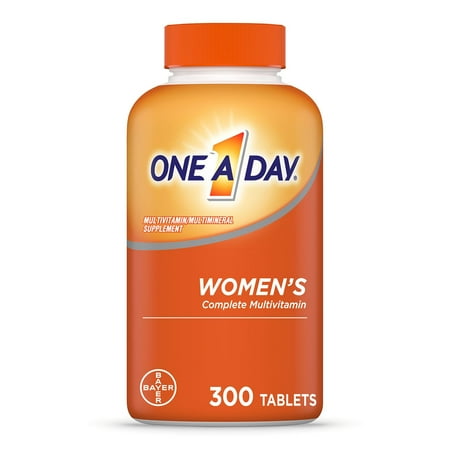

One A Day Women s Complete Multivitamin (300 Count)
Analysis updated July 2026 · How Scout scores
At a glance
Summary
This multivitamin contains beneficial ingredients such as calcium carbonate, ascorbic acid, and cholecalciferol, which support bone health, immune function, and calcium absorption. However, the presence of maltodextrin, titanium dioxide, and corn starch as fillers and colorants raises concerns due to their potential health impacts and lack of nutritional benefits. The formulation includes a moderate number of additives, which affects the overall quality and processing level of the product.
Key ingredients 15
CholecalciferolVery Good
Cholecalciferol, or Vitamin D3, is essential for calcium absorption and bone health. It is the preferred form of Vitamin D due to its superior bioavailability compared to Vitamin D2. It also supports immune function and has been linked to mood regulation.
Risks
Excessive intake can lead to hypercalcemia and associated health issues.
Benefits
Enhances calcium absorption and supports bone health.
Ascorbic AcidGood
Ascorbic acid, also known as Vitamin C, is a powerful antioxidant that supports immune function and skin health. It is essential for the synthesis of collagen and the absorption of iron from plant-based foods. As a water-soluble vitamin, it is generally safe with a low risk of toxicity.
Risks
High doses may cause gastrointestinal disturbances such as diarrhea.
Benefits
Boosts immune function and enhances iron absorption.
Ferrous FumarateGood
Ferrous fumarate is a form of iron used to treat or prevent iron deficiency anemia. It is well-absorbed and provides a significant amount of elemental iron. Iron is crucial for the production of hemoglobin and oxygen transport in the body.
Risks
Excessive iron intake can lead to toxicity, especially in children.
Benefits
Helps prevent and treat iron deficiency anemia.
NiacinamideGood
Niacinamide, a form of Vitamin B3, supports energy metabolism and skin health. It is well-tolerated and does not cause the flushing associated with niacin. It plays a role in DNA repair and the production of stress-related hormones.
Risks
Generally safe with no significant risks at recommended doses.
Benefits
Supports energy metabolism and skin health.
BiotinGood
Biotin, also known as Vitamin B7, supports healthy hair, skin, and nails. It plays a crucial role in energy metabolism and the synthesis of fatty acids. It is water-soluble and generally safe with a low risk of toxicity.
Benefits
Supports healthy hair, skin, and nails.
RiboflavinGood
Part of Color. The use of artificial colors such as titanium dioxide is controversial due to potential health concerns. Riboflavin and vegetable juice are generally safe, but titanium dioxide has been scrutinized for its potential carcinogenic effects. It is often used to enhance the appearance of supplements.
Risks
Titanium dioxide may pose health risks, including potential carcinogenic effects.
Calcium CarbonateNeutral
Standard formulation ingredient — neither beneficial nor harmful at typical use.
Risks
Excessive intake can lead to hypercalcemia, which may cause kidney stones and impaired absorption of other minerals.
Benefits
Supports bone health and helps in maintaining strong bones and teeth.
Magnesium OxideNeutral
Magnesium oxide is a common form of magnesium used in supplements, though it has lower bioavailability compared to other forms. It is often used to support muscle and nerve function. Despite its lower absorption rate, it is a cost-effective option for magnesium supplementation.
Risks
May cause gastrointestinal upset in some individuals.
Benefits
Supports muscle and nerve function.
dl-Alpha-Tocopherol AcetateNeutral
dl-Alpha-tocopherol acetate is a synthetic form of Vitamin E, an antioxidant that protects cells from oxidative damage. While it is effective, natural forms of Vitamin E are generally preferred for better bioavailability. It is commonly used in supplements due to its stability and cost-effectiveness.
Risks
High doses may interfere with blood clotting.
Benefits
Protects cells from oxidative damage.
GelatinNeutral
Gelatin is used as a gelling agent and is derived from animal collagen. It is commonly used in capsules and provides no significant nutritional benefits. It is generally considered safe for consumption.
Benefits
Used as a gelling agent in capsules.
Corn StarchNeutral
Standard formulation ingredient — neither beneficial nor harmful at typical use.
Risks
May contribute to blood sugar spikes and provide empty calories.
MaltodextrinBad
Maltodextrin is a polysaccharide used as a filler or thickener in supplements. It has a high glycemic index and can cause spikes in blood sugar levels. It is often used in processed foods and supplements due to its low cost and ease of use.
Risks
May cause spikes in blood sugar levels and contribute to insulin resistance.
Vegetable JuiceBad
Part of Color. The use of artificial colors such as titanium dioxide is controversial due to potential health concerns. Riboflavin and vegetable juice are generally safe, but titanium dioxide has been scrutinized for its potential carcinogenic effects. It is often used to enhance the appearance of supplements.
Risks
Titanium dioxide may pose health risks, including potential carcinogenic effects.
Copper SulfateBad
Processed additive flagged under Scout's ingredient doctrine.
Risks
Excessive intake can lead to copper toxicity, causing liver and kidney damage.
Benefits
Supports iron metabolism and red blood cell formation.
Titanium DioxideVery Bad
Part of Color. The use of artificial colors such as titanium dioxide is controversial due to potential health concerns. Riboflavin and vegetable juice are generally safe, but titanium dioxide has been scrutinized for its potential carcinogenic effects. It is often used to enhance the appearance of supplements.
Risks
Titanium dioxide may pose health risks, including potential carcinogenic effects.
Processing
Ultra-Processed Foods
Get the full breakdown in the Scout appTake Scout shopping
Scan any product to see lab results, healthy alternatives, and your personalized analysis.
Download on theApp Store GET IT ONGoogle Play