


At a glance
Summary
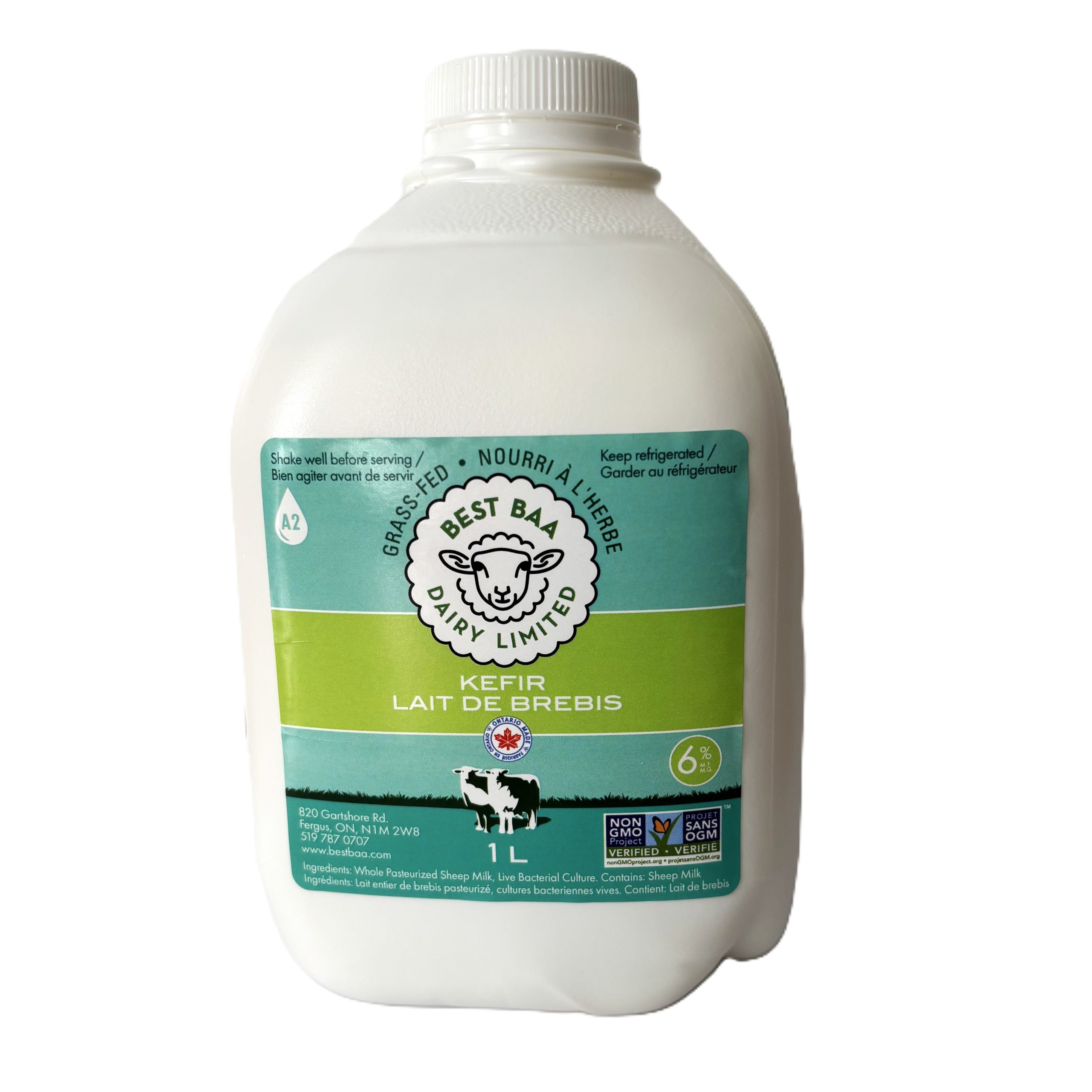
This kefir product contains beneficial ingredients such as pasteurized lowfat milk, nonfat milk, and cultures, which contribute to its nutritional value by providing essential nutrients and promoting gut health. The inclusion of vitamins A and D3 enhances its nutritional profile, supporting bone health and immune function. Despite being processed, the absence of harmful additives and the presence of beneficial components make it a healthy choice within its category.
Key ingredients 6
Pasteurized lowfat milkGood
Pasteurized lowfat milk is a good source of calcium and protein, essential for bone health and muscle maintenance. The pasteurization process ensures safety by eliminating harmful bacteria. It provides essential nutrients without the high fat content of whole milk.
Risks
Some individuals may be lactose intolerant and experience digestive discomfort.
Benefits
Rich in calcium and protein, supporting bone health and muscle maintenance.
Vitamin D3Good
Vitamin D3 is essential for calcium absorption and bone health, often added to dairy products to enhance nutritional value. It supports immune function and may improve mood. Fortification helps prevent deficiencies, especially in regions with limited sunlight exposure.
Benefits
Enhances calcium absorption, supports bone health, and boosts immune function.
CulturesGood
Cultures are beneficial bacteria that promote gut health by aiding digestion and supporting the microbiome. They are a key component of fermented dairy products like kefir. Regular consumption can improve digestive health and boost the immune system.
Benefits
Promotes gut health and supports the immune system through beneficial bacteria.
Nonfat milkNeutral
Standard formulation ingredient — neither beneficial nor harmful at typical use.
Risks
May not be suitable for those with lactose intolerance.
Benefits
Provides calcium and vitamin D, supporting bone health without added fat.
PectinNeutral
Pectin is a natural thickening agent derived from fruits, commonly used to improve texture. It is generally considered safe and does not contribute significant calories or nutrients. Its role is primarily functional, enhancing the consistency of the product.
See more about Pectin →Vitamin A palmitateNeutral
Vitamin A palmitate is a synthetic form of vitamin A used to fortify foods, supporting vision and immune function. It is added to compensate for the loss of natural vitamins during processing. While beneficial in moderation, excessive intake can lead to toxicity.
Risks
Excessive intake can lead to vitamin A toxicity, causing health issues.
Benefits
Supports vision and immune function when consumed in appropriate amounts.
Processing
Processed Foods
Get the full breakdown in the Scout appTake Scout shopping
Scan any product to see lab results, healthy alternatives, and your personalized analysis.
Download on theApp Store GET IT ONGoogle Play