
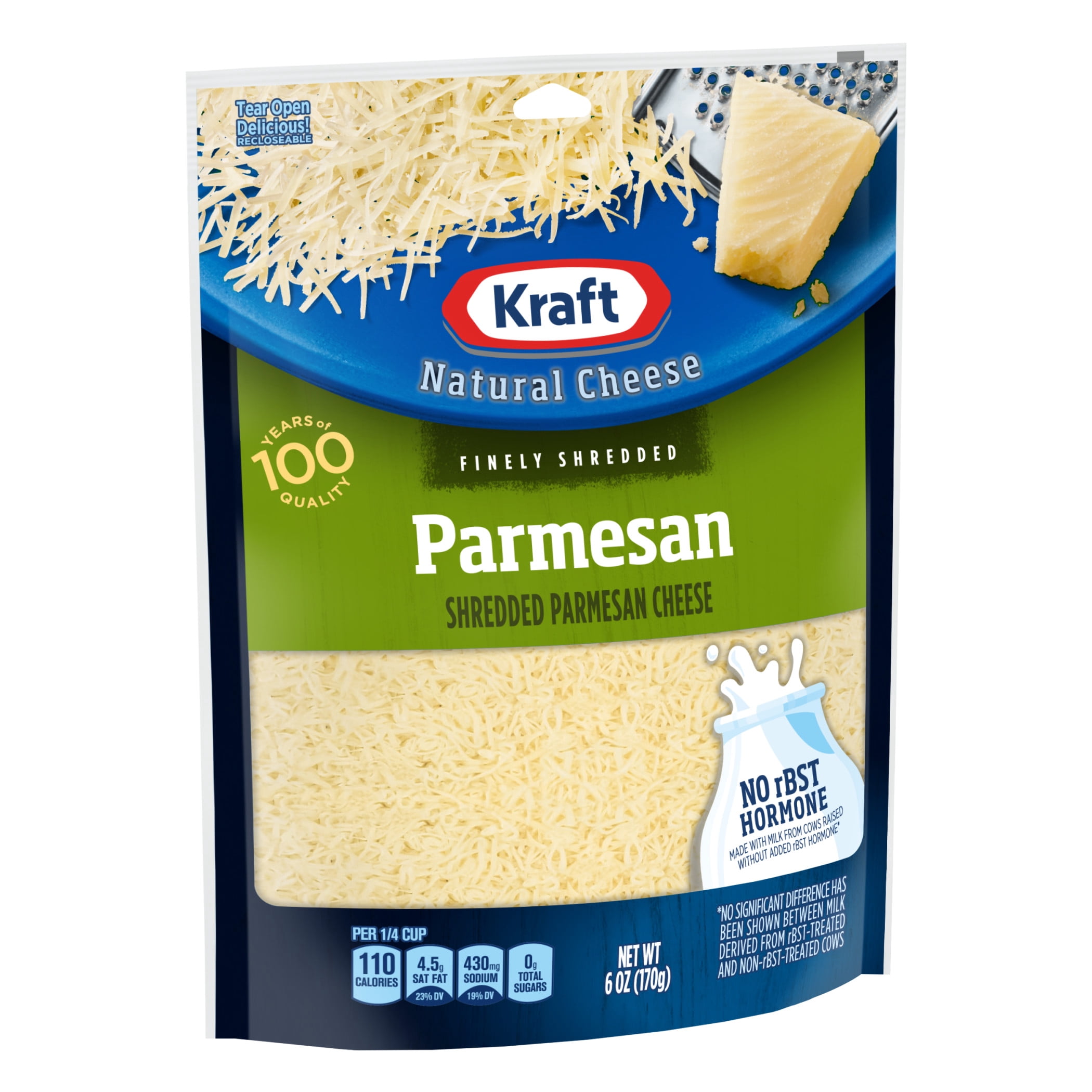


Shredded Parmesan Cheese
Analysis updated September 2026 · How Scout scores
At a glance
Summary
This shredded Parmesan cheese is made from high-quality ingredients like pasteurized part-skimmed milk and cheese cultures, which are beneficial for protein and calcium intake. However, the inclusion of powdered cellulose and natamycin as additives for anti-caking and mold inhibition increases its processing level. Despite its nutritional benefits, the presence of these additives and its classification as an ultra-processed product limit its overall health score.
Key ingredients 3
Parmesan cheeseGood
Parmesan cheese is a high-quality source of protein and calcium. It is made from pasteurized part-skimmed milk, cheese cultures, salt, and enzymes, which are minimally processed. The aging process enhances its flavor and nutritional profile.
Risks
Contains lactose, which may be a concern for individuals with lactose intolerance.
Benefits
Rich in protein and calcium, supporting bone health and muscle maintenance. The aging process also contributes to its complex flavor profile.
Powdered celluloseBad
Powdered cellulose is used as an anti-caking agent in shredded cheese products. It is derived from plant fibers and is considered a processed additive. While it is generally recognized as safe, it adds no nutritional value.
Risks
Excessive consumption of cellulose can lead to digestive issues such as bloating or gas.
NatamycinBad
Natamycin is a mold inhibitor used to extend the shelf life of cheese products. It is a natural antifungal agent but is considered a processed additive. Its use is regulated to ensure safety in food products.
Risks
Potential for allergic reactions in sensitive individuals, though generally considered safe in regulated amounts.
Benefits
Helps prevent mold growth, thereby extending the shelf life of cheese products.
Processing
Ultra-Processed Foods
Get the full breakdown in the Scout appTake Scout shopping
Scan any product to see lab results, healthy alternatives, and your personalized analysis.
Download on theApp Store GET IT ONGoogle PlayAmazon pricing & content
Amazon price as of . Product prices and availability are accurate as of the date/time indicated and are subject to change. Any price and availability information displayed on Amazon.com at the time of purchase will apply to the purchase of this product.
CERTAIN CONTENT THAT APPEARS ON THIS SITE COMES FROM AMAZON. THIS CONTENT IS PROVIDED “AS IS” AND IS SUBJECT TO CHANGE OR REMOVAL AT ANY TIME.