


At a glance
Summary
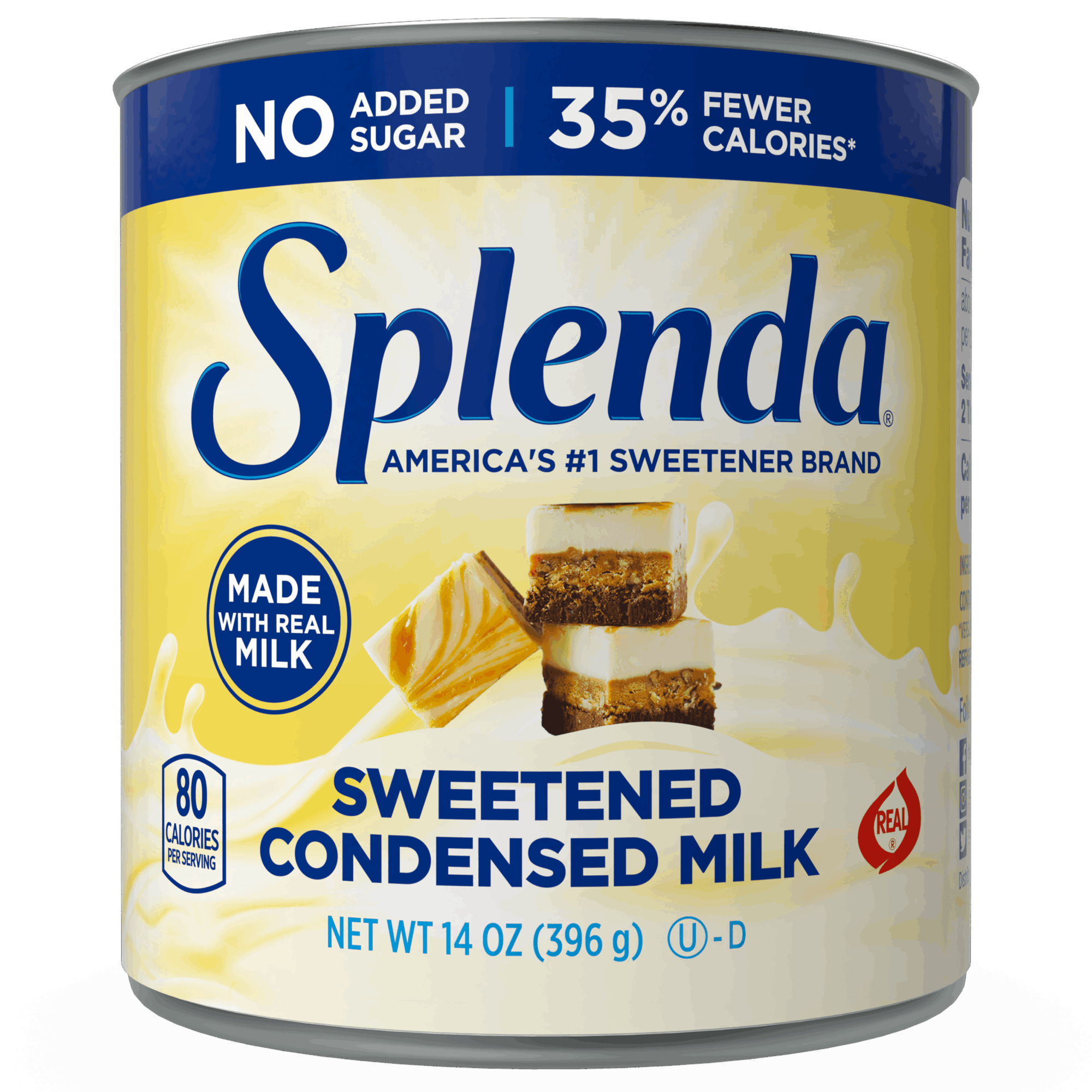
Sweetened condensed milk is a processed product primarily made from nonfat milk, sugar, and palm oil. The presence of refined sugar contributes to its high-calorie content and is associated with health risks such as obesity and type 2 diabetes when consumed in excess. While it lacks artificial additives, its processing level and the inclusion of palm oil, which is less desirable than healthier fats, impact its overall healthiness.
Key ingredients 5
RiboflavinGood
Essential B vitamin — beneficial micronutrient.
Benefits
Supports energy production and cellular function.
Nonfat milkNeutral
Nonfat milk is a source of protein and calcium but lacks the beneficial fats found in whole milk. It is processed to remove fat, which may reduce some nutritional benefits. It is a common ingredient in processed dairy products.
Benefits
Provides protein and calcium, essential for bone health.
Vitamin A palmitateNeutral
Vitamin A palmitate is a synthetic form of vitamin A used to fortify foods. It is essential for vision, immune function, and skin health. It is added to compensate for nutrient loss during processing.
Risks
Excessive intake can lead to hypervitaminosis A, causing toxicity symptoms.
Benefits
Supports vision, immune function, and skin health.
SugarBad
Refined sugar is a high-calorie ingredient with no essential nutrients. It is associated with increased risk of obesity, type 2 diabetes, and heart disease when consumed in excess. It is often used to enhance sweetness in processed foods.
Risks
Excessive consumption can lead to weight gain, insulin resistance, and increased risk of chronic diseases.
Palm oilBad
Processed additive flagged under Scout's ingredient doctrine.
Risks
High saturated fat content may contribute to heart disease if consumed in large amounts.
Benefits
Provides a stable fat source and is resistant to oxidation, extending shelf life of products.
Processing
Processed Foods
Get the full breakdown in the Scout appTake Scout shopping
Scan any product to see lab results, healthy alternatives, and your personalized analysis.
Download on theApp Store GET IT ONGoogle Play