



At a glance
Summary
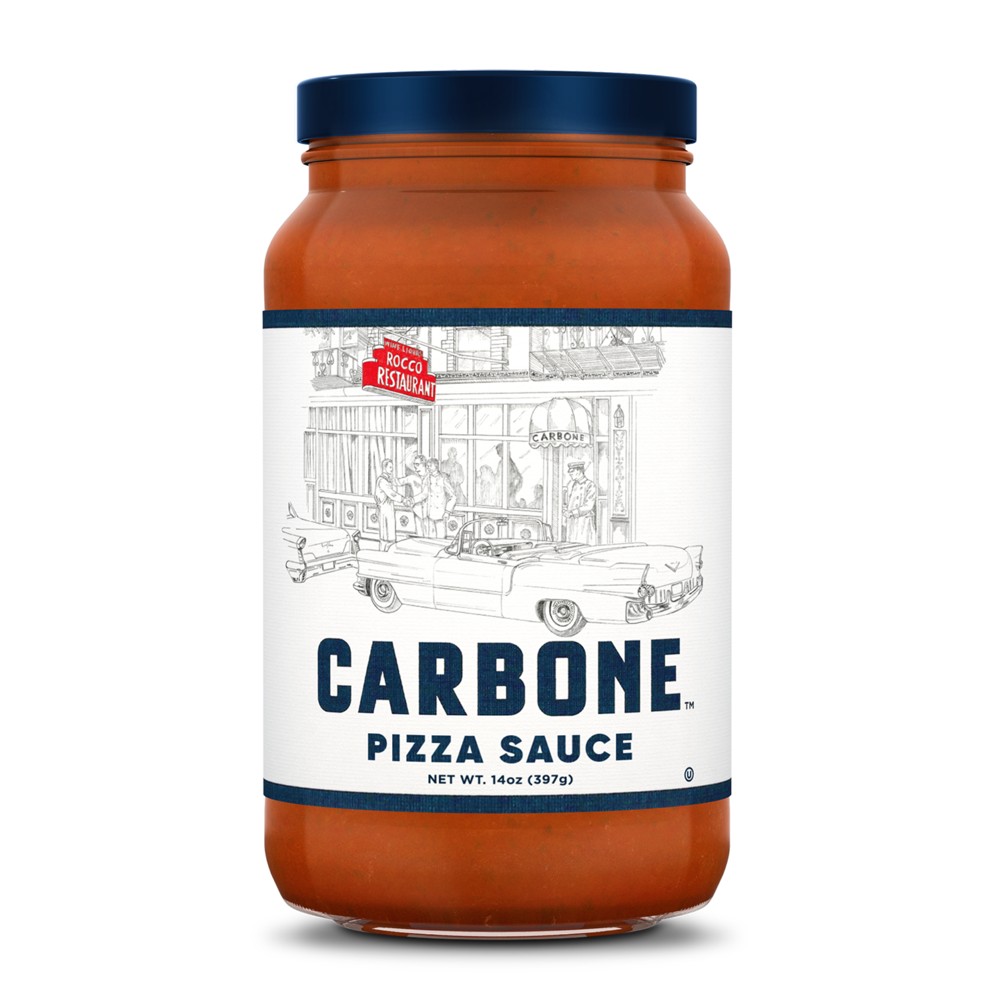
This pizza sauce is made with a relatively clean ingredient list, featuring Roma tomato puree, sea salt, and natural spices, which are minimally processed and provide nutritional benefits. The presence of citric acid as a preservative is common in processed foods but does not significantly detract from the overall quality. The sauce's processing level limits its score, but the absence of artificial additives and seed oils supports a higher rating within its category.
Key ingredients 6
Roma Tomato PureeGood
Roma tomato puree is a minimally processed ingredient rich in vitamins and antioxidants. It provides a natural source of lycopene, which has been linked to reduced risk of certain diseases. The puree form retains most of the nutritional benefits of whole tomatoes.
Benefits
Rich in lycopene and other antioxidants that may support heart health and reduce inflammation.
Sea SaltGood
Sea salt is a natural source of sodium and trace minerals. It is less processed than regular table salt and retains beneficial minerals. Its use in moderation can enhance flavor without significant health risks.
Risks
Excessive consumption of sodium can lead to high blood pressure and cardiovascular issues.
Benefits
Provides essential minerals and enhances flavor in foods.
Garlic PowderGood
Concentrated whole-food seasoning.
Benefits
Contributes flavor and some health-promoting compounds.
SpicesGood
Whole-food seasonings, antioxidant-bearing.
Benefits
Potentially offers antioxidant and anti-inflammatory benefits depending on the spices included.
Citric AcidNeutral
Citric acid is a natural preservative and flavor enhancer commonly used in food products. It is generally recognized as safe and helps maintain the acidity and freshness of the product. While it is synthetic in most commercial applications, it poses no significant health risks.
Benefits
Helps preserve the product and maintain its flavor profile.
Onion PowderNeutral
Onion powder is a dehydrated form of onion used for flavoring. It retains some of the nutritional benefits of fresh onions, such as antioxidants. However, the processing reduces its overall nutrient content compared to fresh onions.
Benefits
Adds flavor and some antioxidants to the product.
Processing
Processed Foods
Get the full breakdown in the Scout appTake Scout shopping
Scan any product to see lab results, healthy alternatives, and your personalized analysis.
Download on theApp Store GET IT ONGoogle Play