
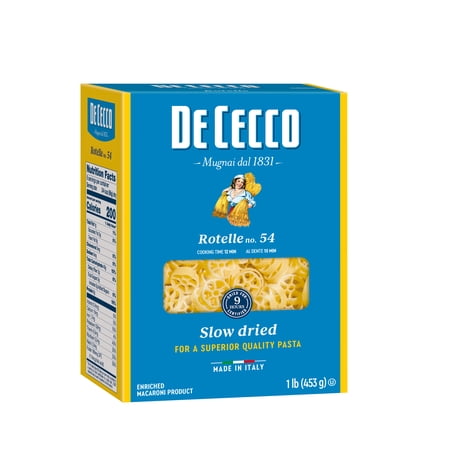


De Cecco Rotelle Enriched Macaroni Product Pasta
Analysis updated June 2026 · How Scout scores
At a glance
Summary
This pasta product is made primarily from hard wheat semolina and is enriched with essential vitamins such as niacin, thiamine, riboflavin, and folic acid, which are beneficial for energy metabolism and preventing deficiencies. The processing level is minimal, and the ingredient list is clean with only one additive, ferrous lactate, which is used for iron fortification. Overall, the product maintains a high nutritional quality with minimal processing and no harmful additives.
Key ingredients 7
NiacinGood
Niacin, also known as vitamin B3, is essential for converting food into energy. It supports skin health and the nervous system. Enrichment helps prevent deficiencies in diets lacking in this nutrient.
Benefits
Supports energy metabolism and is important for maintaining healthy skin and nerves.
Thiamine mononitrateGood
Thiamine mononitrate is a synthetic form of vitamin B1, essential for energy metabolism and nerve function. It is added to foods to prevent thiamine deficiency. Enrichment ensures adequate intake in populations with limited dietary sources.
Benefits
Supports energy metabolism and is crucial for proper nerve function.
RiboflavinGood
Riboflavin, or vitamin B2, is important for energy production and cellular function. It is often added to foods to prevent deficiencies. Riboflavin is water-soluble and needs regular replenishment through diet.
Benefits
Essential for energy production and maintaining healthy skin and eyes.
Hard wheat semolinaNeutral
Hard wheat semolina is a coarse flour made from durum wheat, commonly used in pasta production. It provides a good source of carbohydrates and some protein. However, it lacks the fiber and nutrients found in whole grain alternatives.
Risks
Contains gluten, which may cause adverse reactions in individuals with celiac disease or gluten sensitivity.
Benefits
Provides a source of energy and some protein, making it a staple in many diets.
Ferrous lactateNeutral
Ferrous lactate is an iron supplement used to fortify foods and prevent iron deficiency anemia. It is a bioavailable form of iron, though absorption can vary based on dietary factors. It is commonly used in enriched foods to improve iron intake.
Risks
Excessive iron intake can lead to toxicity, particularly in individuals with hemochromatosis.
Benefits
Helps prevent iron deficiency anemia by providing a bioavailable source of iron.
Folic acidNeutral
Standard formulation ingredient — neither beneficial nor harmful at typical use.
Risks
Excessive intake can mask vitamin B12 deficiency symptoms.
Benefits
Supports DNA synthesis and is vital for preventing neural tube defects during pregnancy.
En:e585Bad
En:e585, also known as ferrous lactate, is used as an iron fortification agent. While it helps prevent iron deficiency, excessive consumption can lead to iron overload. It is important to monitor intake to avoid potential toxicity.
Risks
Excessive iron intake can cause gastrointestinal distress and toxicity, particularly in individuals with iron overload disorders.
Benefits
Provides a source of iron to help prevent deficiency and support oxygen transport in the body.
Processing
Unprocessed or Minimally Processed Foods
Get the full breakdown in the Scout appTake Scout shopping
Scan any product to see lab results, healthy alternatives, and your personalized analysis.
Download on theApp Store GET IT ONGoogle PlayAmazon pricing & content
Amazon price as of . Product prices and availability are accurate as of the date/time indicated and are subject to change. Any price and availability information displayed on Amazon.com at the time of purchase will apply to the purchase of this product.
CERTAIN CONTENT THAT APPEARS ON THIS SITE COMES FROM AMAZON. THIS CONTENT IS PROVIDED “AS IS” AND IS SUBJECT TO CHANGE OR REMOVAL AT ANY TIME.