


At a glance
Summary
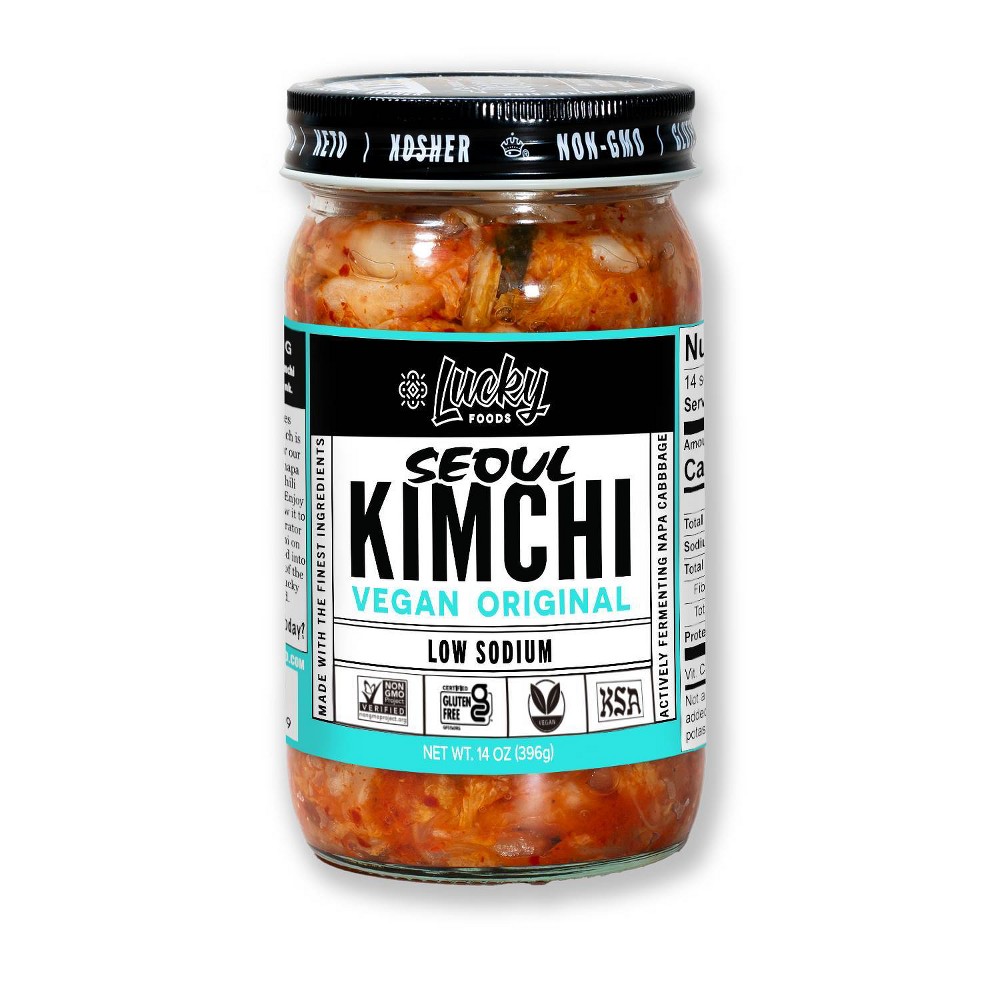
Lucky Foods Kimchi is a processed food with a clean ingredient list, featuring beneficial components like napa cabbage, chili pepper, and garlic, which offer vitamins, antioxidants, and probiotics. The presence of cane sugar is a minor concern due to its potential impact on blood sugar levels, but the overall nutritional benefits and minimal processing of the ingredients contribute to a high score within the processed food category.
Key ingredients 9
Napa CabbageVery Good
Napa cabbage is a low-calorie vegetable rich in vitamins C and K. It provides dietary fiber which aids in digestion and supports gut health. Its fermentation in kimchi enhances probiotic content, beneficial for the microbiome.
Benefits
Rich in vitamins and fiber, supporting immune function and digestive health. Fermentation increases probiotic benefits.
GingerVery Good
Ginger is known for its anti-inflammatory and antioxidant properties, which can aid digestion and reduce nausea. It contains bioactive compounds that may improve brain function and protect against chronic diseases. Its spicy flavor can enhance culinary dishes naturally.
Risks
May cause mild digestive upset in some individuals when consumed in large amounts.
Benefits
Supports digestion and reduces inflammation. Contains antioxidants that may protect against chronic diseases.
Chili PepperGood
Chili peppers are known for their capsaicin content, which can boost metabolism and provide anti-inflammatory effects. They are also a source of vitamins A and C. The spiciness can enhance flavor without adding calories.
Risks
Excessive consumption may cause digestive discomfort in sensitive individuals.
Benefits
Contains capsaicin, which may aid in weight management and reduce inflammation. Provides vitamins A and C.
CarrotGood
Carrots are a good source of beta-carotene, which the body converts into vitamin A, essential for vision and immune function. They also provide dietary fiber and antioxidants. Their natural sweetness can enhance the flavor profile of dishes.
Benefits
Rich in beta-carotene and fiber, supporting eye health and digestion. Provides antioxidants that may reduce oxidative stress.
GarlicGood
Garlic is renowned for its potential cardiovascular benefits and immune-boosting properties due to its sulfur compounds. It has antimicrobial effects and can enhance the flavor of foods naturally. Its consumption is linked to reduced blood pressure and cholesterol levels.
Risks
May cause digestive upset in some individuals when consumed in large amounts.
Benefits
Supports heart health and immune function. Contains sulfur compounds with antimicrobial properties.
Green OnionGood
Green onions provide a mild flavor and are a source of vitamins A, C, and K. They contain antioxidants and have anti-inflammatory properties. Their inclusion in dishes can enhance both flavor and nutritional value.
Benefits
Provides vitamins and antioxidants, supporting overall health. Adds flavor and nutritional value to dishes.
OnionGood
Onions are rich in antioxidants and have anti-inflammatory properties. They provide vitamins C and B6, and support heart health. Their natural compounds can enhance the flavor of foods while providing health benefits.
Benefits
Rich in antioxidants and vitamins, supporting heart health and reducing inflammation.
Sea SaltGood
Sea salt is a natural source of sodium and trace minerals, which are essential for maintaining fluid balance and nerve function. It is less processed than table salt, retaining more minerals. Its use in moderation can enhance flavor without excessive sodium intake.
Risks
Excessive consumption can lead to high blood pressure and related health issues.
Benefits
Provides essential minerals and enhances flavor. Less processed than table salt, retaining more natural minerals.
Cane SugarBad
Cane sugar is a refined sugar that can contribute to increased calorie intake and potential weight gain. It lacks nutritional benefits and can lead to blood sugar spikes. Its use should be moderated to avoid negative health impacts.
Risks
Excessive consumption can lead to obesity, diabetes, and dental issues.
Processing
Processed Foods
Get the full breakdown in the Scout appTake Scout shopping
Scan any product to see lab results, healthy alternatives, and your personalized analysis.
Download on theApp Store GET IT ONGoogle Play